How to Choose the Best Solar Powered Outdoor Lights for Your Home?
Choosing solar powered outdoor lights for your home can be overwhelming. The market is filled with various options, making it crucial to do thorough research. According to a report by the Solar Energy Industries Association, solar lighting is a growing trend. The use of solar energy for outdoor lights has increased by over 30% in the last five years. This trend highlights an increasing consumer demand for eco-friendly solutions.
When selecting solar powered outdoor lights, consider important factors like brightness and durability. Some products may not perform well in low sunlight conditions. Many consumers report dissatisfaction with longevity and performance. Evaluating customer reviews can offer insights into these issues. However, the development of better technology aims to address these concerns.
Proper installation and positioning are also key. Placing lights in shaded areas could lead to inadequate charging. Some may overlook installation nuances, which can affect functionality. By being aware of these challenges, homeowners can make informed choices. Understanding both the benefits and limitations of solar lighting is essential.
Understanding the Different Types of Solar Powered Outdoor Lights
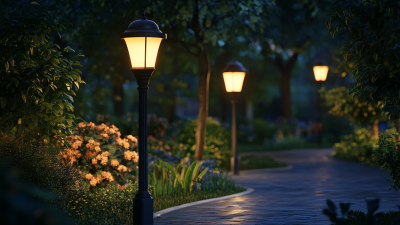
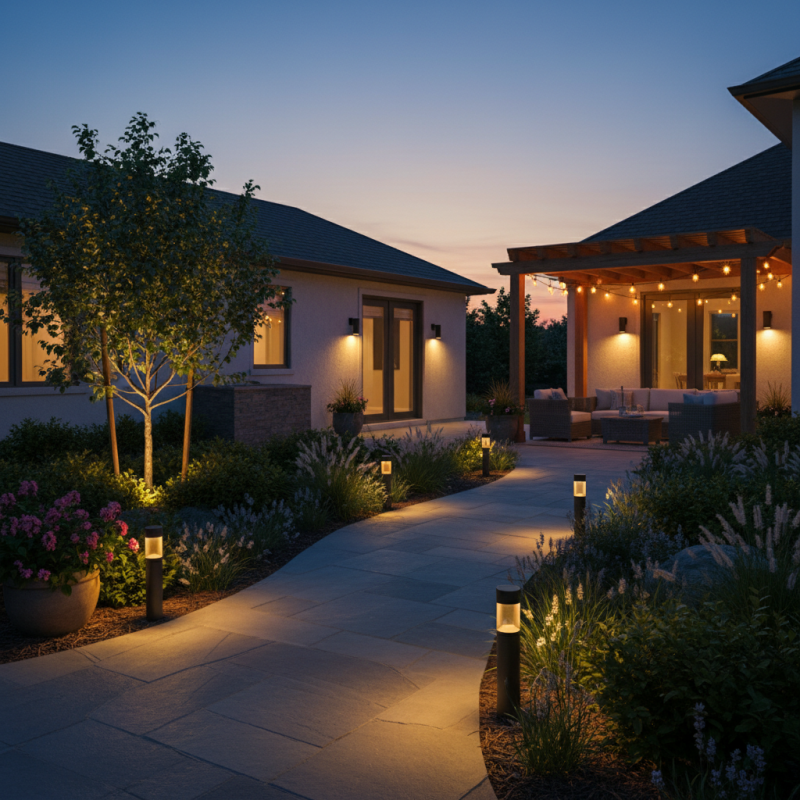
When selecting solar powered outdoor lights, it's essential to understand the different types available. Pathway lights are popular for illuminating walkways and gardens. They usually feature spikes for easy installation. Another common option is wall-mounted lights, which can enhance the aesthetics of your home’s exterior. These lights often double as security features, deterring potential intruders.
Spotlights are ideal for highlighting specific areas, such as trees or sculptures. They have adjustable angles, allowing you to focus the light where it's needed. Flood lights, on the other hand, provide broader illumination, perfect for patios or backyards. However, consider their placement carefully, as they can create unwanted glare.
Lastly, string lights add a decorative touch to any outdoor space. They can be draped over patios or wrapped around trees. Choosing the right type involves careful consideration of your needs. Each type has advantages and drawbacks. A mix of different types may create a harmonious environment. Make sure to assess which features matter most for your setting.
Evaluating Brightness and Lumens for Outdoor Lighting Needs
When choosing solar-powered outdoor lights, brightness is crucial. The brightness of lights is measured in lumens. Higher lumens mean brighter light. For pathways, lights with 100 to 200 lumens are often appropriate. For larger areas, you might need lights that offer over 300 lumens. However, be cautious—too much brightness can be overwhelming and may disturb neighbors.
Consider the purpose of your lighting. Are you highlighting a garden? Or do you need safety lights for pathways? Each scenario has different requirements. For ambiance, softer lights with around 100 lumens can create a cozy atmosphere. For security, opt for brighter lights. Always think about the space you want to illuminate.
Tips: Test different brightness levels if possible. A light that feels right during the day may seem different at night. Look for adjustable settings too. This adds versatility. Sometimes, the best choice takes time and trial. Make sure to reflect on your needs before purchasing.
Assessing Battery Life and Solar Panel Efficiency
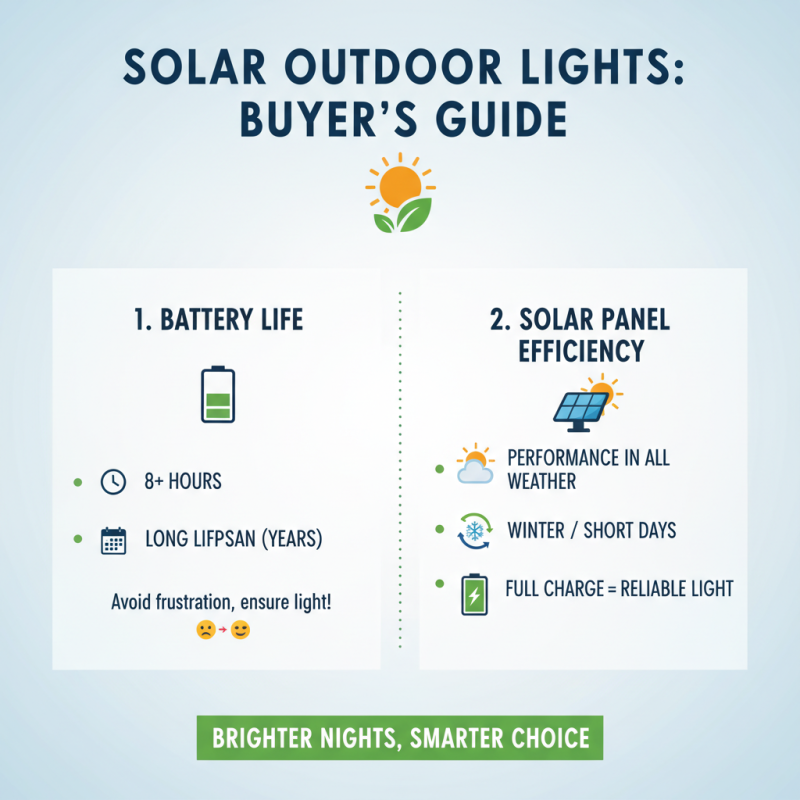
When choosing solar-powered outdoor lights, battery life and solar panel efficiency are crucial. Look for lights with a long battery lifespan. Most good options last at least 8 hours. Some may not perform well in cloudy weather or short winter days. A battery that doesn’t charge fully can cause frustration when you need light.
The efficiency of solar panels also matters. Opt for lights with high-efficiency panels. These can absorb more sunlight, even in low light. Some models may have panels that look durable but underperform. Observing how lights charge daily can help you identify potential issues.
Consider your specific needs. If your outdoor area is large, multiple lights might be necessary. They can spread out the light effectively. However, don’t expect them to shine as brightly as wired options. Inconsistencies may arise, leading to darker areas. That's something worth pondering before making a choice.
Considering Design and Style for Your Outdoor Space
When choosing solar-powered outdoor lights, design and style play critical roles. Your outdoor space reflects your personality. A stylish lighting solution can enhance this reflection significantly. According to a report by the International Energy Agency, well-designed outdoor lighting improves the ambiance and even safety at night.
Aesthetic value matters. Look for fixtures that complement your landscape. Whether you prefer rustic lanterns or sleek modern designs, they should fit seamlessly with your existing decor. Choose colors that harmonize with your home’s exterior. A fascinating detail? Up to 70% of homeowners consider outdoor lighting essential for improving their property’s aesthetics.
Tips: Consider the height and position of your lights. Pathway lights should guide without being too tall. Also, factor in the natural light surrounding your space. Install lights that will illuminate well during the darker months.
A potential issue arises when lights don’t fit your style. Overly bright or poorly designed lights can detract from your overall design. Find a balance between brightness and elegance. Experts recommend mixing different styles to create visual interest without clashing.
Comparison of Solar Powered Outdoor Light Features
Exploring Installation Options and Maintenance Tips
When choosing solar powered outdoor lights, installation options can vary greatly. Many lights come as simple plug-and-play models. You can stake them into the ground or mount them on walls. Assess your outdoor space before deciding where to place these lights. Consider areas that need more illumination. Sometimes, you may need to adjust the angle to maximize sunlight exposure.
Maintenance is crucial for the longevity of solar lights. Regularly clean the solar panels to remove dirt or debris. This ensures the lights absorb enough sunlight during the day. Check the batteries every few months to see if they need replacement. Some find the process tedious, but it pays off. Faulty batteries can cause lights to flicker or not turn on at all.
Don’t forget about the seasonal changes. In winter, shorter days may affect light duration. It's crucial to rearrange your lighting strategy accordingly. The beauty of these lights is their eco-friendly nature, but they require your attention too. Finding the right balance between beauty and functionality makes a big difference in your outdoor lighting experience.
How to Choose the Best Solar Powered Outdoor Lights for Your Home? - Exploring Installation Options and Maintenance Tips
| Light Type |
Brightness (Lumens) |
Battery Type |
Solar Panel Type |
Installation Method |
Maintenance Tips |
| Wall Lights |
200-600 |
Lithium-ion |
Monocrystalline |
Screw mounting |
Clean panels regularly |
| Path Lights |
100-300 |
Nickel-Metal Hydride |
Polycrystalline |
Stake-in ground |
Check for rust and replace batteries |
| Flood Lights |
500-1000 |
Lithium polymer |
Monocrystalline |
Wall or pole mounted |
Ensure no obstructions to light |
| String Lights |
10-50 |
Lithium-ion |
Amorphous |
Hanging or draping |
Store indoors during winter |
| Post Lights |
200-400 |
Nickel-Cadmium |
Monocrystalline |
Directly on posts |
Inspect connections periodically |