Best Solar Lights for Outside What to Consider Before Buying
As outdoor spaces gain importance in modern homes, "solar lights for outside" have emerged as essential tools for enhancing ambiance and safety. According to a report by the Solar Energy Industries Association, the market for solar lighting has surged by 40% over the past year. This growth reflects a shift towards sustainable living and energy-efficient solutions. Expert John H. Wells, a leading authority in solar technologies, noted, “Utilizing solar lights not only saves energy but also beautifies outdoor environments.”
When selecting solar lights, it's vital to consider factors such as brightness, battery life, and design. Many consumers often overlook the importance of solar panel quality. Poor panels can lead to inadequate charging during daylight hours. While the appeal of solar lights is clear—lower energy costs and minimal maintenance—some products may not deliver on their promises. It’s crucial to research thoroughly and perhaps invest a bit more for reliable options that last longer.
Understanding these elements can transform your outdoor experience. The right solar lights can create a welcoming atmosphere, while subpar choices may result in disappointment. Thus, careful consideration is paramount in making the best decision for your space.
Factors to Consider When Choosing Solar Lights for Outdoor Use
When choosing solar lights for outdoor use, several factors come into play. First, consider the brightness level. Measured in lumens, this determines how well the light illuminates your space. For pathways, 100 to 200 lumens may suffice. However, for larger areas, 300 lumens or more is ideal.
Another important aspect is battery capacity. A higher capacity allows lights to operate longer at night. Check how long the battery lasts on a full charge. Some lights may only last a few hours, while others shine all night. Remember, poor battery life equals disappointing results.
When shopping, observe the materials. Durable materials can withstand harsh weather. Look for claims on water resistance and UV resistance. Lights made from metal or high-quality plastic often last longer.
**Tips:** Test the lights before installation, if possible. Consider placement carefully to maximize sunlight exposure. Finally, remember that patterns in installation can lead to inconsistent brightness. Reflecting on these aspects can make your experience smoother.
Types of Solar Lights and Their Uses in Outdoor Settings
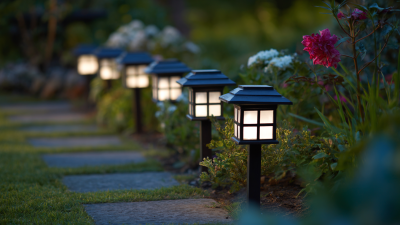
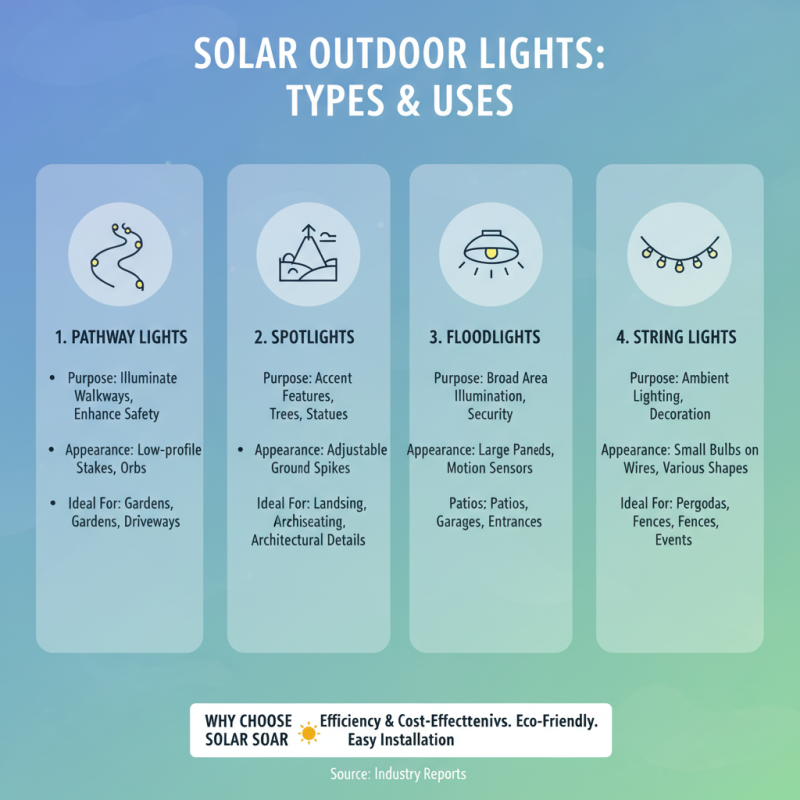
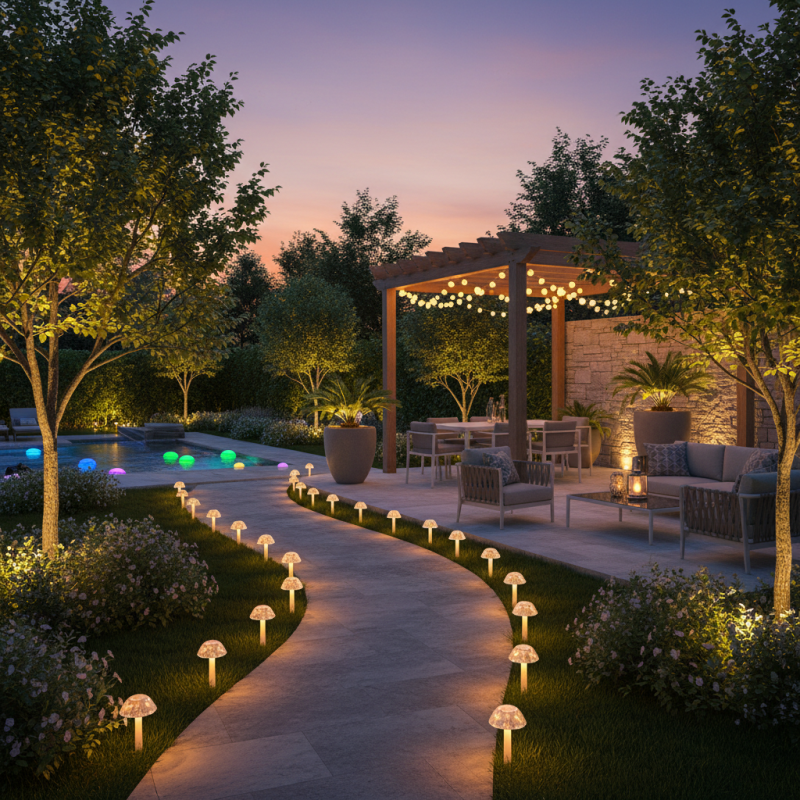
When choosing solar lights for outdoor settings, understanding their types and uses is essential. There are several categories: pathway lights, spotlights, floodlights, and string lights. Each type serves a unique purpose and can enhance your outdoor space differently. For instance, pathway lights illuminate walkways, ensuring safety for guests. According to recent industry reports, homeowners increasingly prefer solar lights due to their efficiency and cost-effectiveness.
Spotlights offer focused illumination, ideal for highlighting trees or garden features. Floodlights, on the other hand, provide broad illumination, making them suitable for larger areas. String lights can create a warm ambiance, perfect for patios or patios. In fact, surveys show that 73% of people appreciate the aesthetic appeal of well-lit outdoor spaces.
Tips: Consider the brightness output measured in lumens to choose the right light for your needs. Look for solar lights with motion sensors for added security. Finally, remember to assess the placement to avoid shading from trees or structures that might hinder sunlight absorption. An effective lighting strategy is necessary for both functionality and beauty.
Evaluating Brightness and Color Temperature for Outdoor Solar Lights
When choosing outdoor solar lights, brightness and color temperature are crucial factors. Brightness is often measured in lumens. An ideal range for outdoor lights is between 100 to 200 lumens. This level provides adequate illumination for pathways and gardens without being too harsh.
Color temperature influences the atmosphere. Warmer lights, around 2700K to 3000K, create a cozy feel. Cooler lights, above 4000K, offer a more modern look. Consider the type of ambiance you wish to create. A soft glow might suit your garden, while brighter lights are better for security.
Tips: Test a few lights before full installation. This can save time and help you find your desired ambiance. Pay attention to the shadows created; sometimes, a light’s placement can make a significant difference.
Remember that solar lights depend on sunlight. A cloudy week can affect the performance. Regularly check the placement of your solar panels to ensure they receive adequate sunlight.
Battery Life and Charging Performance of Solar Outdoor Lights
When choosing solar lights for outdoor spaces, battery life and charging performance are crucial. Some models may boast high lumens but have short battery lives. This mismatch can be frustrating. Who wants a bright light for only a few hours? The goal is to enjoy consistent illumination throughout the night.
Look for lights with larger battery capacities. They typically last longer and provide better performance. It's essential to consider solar panel efficiency as well. Not all panels charge at the same rate. Some may require direct sunlight, while others perform well in partial shade. Outdoor conditions can vary greatly, and not every space is ideal for solar charging.
Occasionally, users find that lights stop working after a few months. This issue often stems from poor battery quality or insufficient sunlight exposure. Reflection on your usage pattern might help. If your garden has tall trees or buildings that block sunlight, consider different placements. Overall, understanding battery life and the charging process will lead you to better choices in solar lights.
Best Solar Lights for Outside: What to Consider Before Buying
| Model |
Battery Type |
Charging Time (hrs) |
Battery Life (hrs) |
Lumens |
Water Resistance |
| Model A |
Lithium-ion |
6 |
8 |
300 |
IP65 |
| Model B |
NiMH |
5 |
10 |
250 |
IP67 |
| Model C |
Lead Acid |
8 |
6 |
400 |
IP54 |
| Model D |
Lithium-ion |
7 |
12 |
350 |
IP66 |
Durability and Weather Resistance in Selecting Solar Lighting Options
When selecting solar lights for outdoor use, durability and weather resistance are key factors. Outdoor conditions can be harsh. Rain, snow, wind, and UV rays can damage low-quality lights. Look for products designed with robust materials. Stainless steel or high-grade plastics can withstand elements better.
Check for weatherproof ratings. Many lights are tested for water resistance. Look for IP ratings that indicate their level of protection. An IP65 rating suggests resistance to dust and water. This can ensure that your lights function properly in different conditions.
It's also worth considering the lifespan of the solar panels. Poor-quality panels can degrade quickly in harsh weather. Investing a bit more might yield longer-lasting products. Pay attention to user reviews. Sometimes, people overlook shared experiences that reveal critical insights. Prioritize options that demonstrate real-world durability. It can save you trouble in the long run.