What is the Best Type of Solar Lights for Outside Use in Your Garden
When it comes to enhancing the beauty and functionality of your garden, the right choice of solar lights for outside can make all the difference. According to Dr. Emily Sun, a leading expert in sustainable outdoor lighting, "Choosing the appropriate type of solar lights for outside not only elevates the aesthetic appeal of your space but also promotes energy efficiency and environmental sustainability."
In recent years, the market for solar lights has witnessed significant innovation and growth, offering a variety of options tailored to different needs and preferences. From pathway lights that guide your way to spotlight fixtures that highlight architectural features, understanding what to look for in solar lights for outside is essential for homeowners aiming to create an inviting outdoor atmosphere. This guide will delve into the various types of solar lights available, their unique benefits, and how to select the best options that align with your garden's design and your personal style.
As we explore the landscape of outdoor solar lighting, it's imperative to consider factors such as brightness, durability, and installation ease, ensuring that your chosen solar lights for outside will not only illuminate your garden but will also stand the test of time and weather.
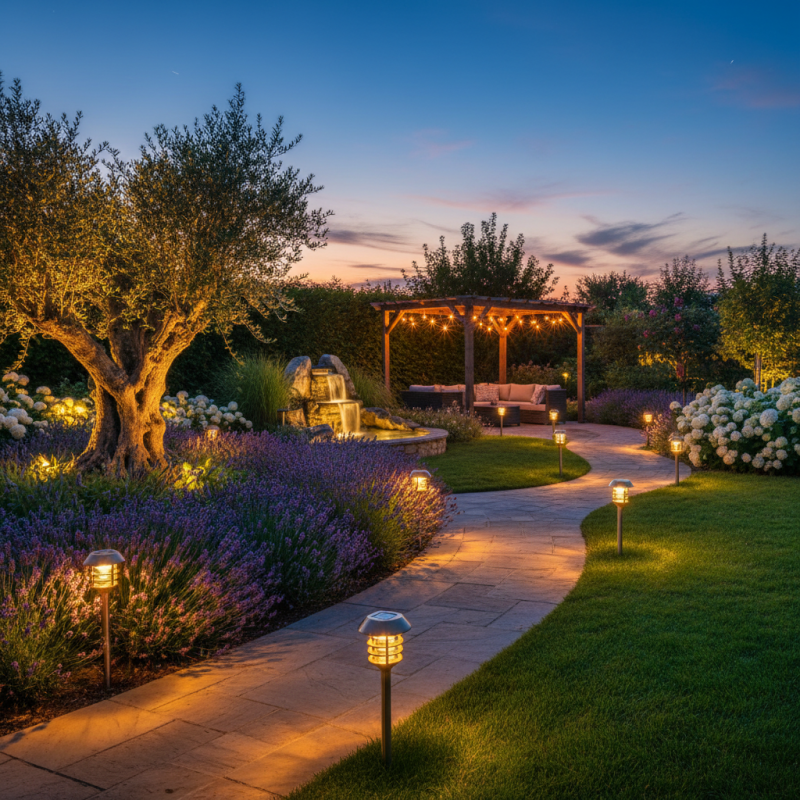
Types of Solar Lights Suitable for Garden Use
When considering the best type of solar lights for outdoor garden use, it’s essential to explore the various options available and their specific benefits.
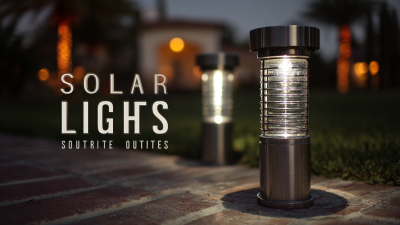
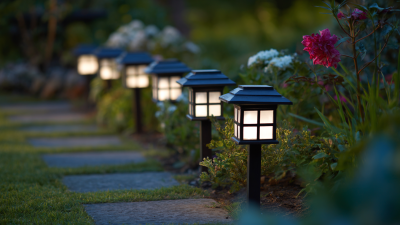
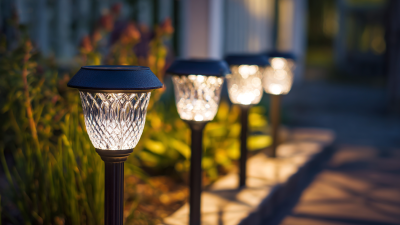
Pathway lights are a popular choice, designed to illuminate walkways and garden paths, enhancing safety while adding a whimsical ambiance. According to the U.S. Department of Energy, these fixtures can help reduce energy consumption significantly, emphasizing the eco-friendliness of solar technology by promoting sustainable gardening practices.
Another effective type is decorative solar lights, which can be used to accentuate specific features in the garden such as trees, sculptures, or flower beds. The Global Solar Lighting Market report indicates that decorative solar lights have seen a rise in popularity due to their aesthetic appeal and versatility. They not only provide illumination but also serve as beautiful design elements in outdoor spaces, encouraging homeowners to create visually stunning gardens without the need for extensive wiring or complicated installations.
Finally, motion sensor solar lights serve an important role in providing security while maintaining energy efficiency. Studies show that integrating motion sensors can lead to an up to 60% reduction in energy use by activating only when movement is detected. This functionality makes them particularly suited for gardens where safety is a concern, lighting up areas when needed and deterring unwanted visitors. Each type of solar light offers unique advantages that can be tailored to meet the specific needs of any garden environment.
Key Features to Consider When Choosing Solar Garden Lights
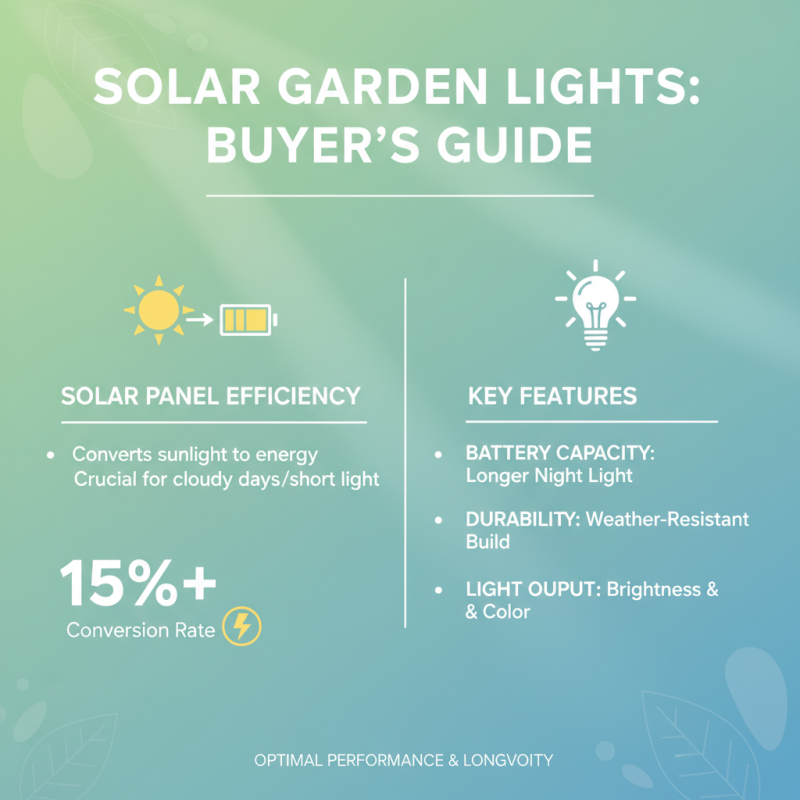
When choosing solar lights for your garden, it's essential to consider several key features to ensure optimal performance and longevity. One of the most crucial aspects is the solar panel efficiency. According to industry reports, higher-efficiency solar panels can convert more sunlight into energy, which is particularly beneficial in overcast conditions or during shorter daylight hours. Look for solar lights that mention a conversion rate of at least 15% to ensure adequate charging and functioning during the night.
Another important feature is battery capacity. The best garden solar lights typically use lithium-ion batteries, as they offer a longer lifespan and greater energy storage than traditional alternatives. A battery capacity of at least 2000mAh is recommended for lights that operate all night. Additionally, consider the brightness level, measured in lumens. For effective outdoor lighting, aim for fixtures that provide between 100 to 300 lumens, depending on the intended use, such as pathway illumination or decorative lighting.
*Tips:* When selecting solar garden lights, ensure to assess the weatherproof rating. A minimum IP65 rating is advisable to withstand rain and dust. To maximize the effectiveness of your solar lights, install them in areas with direct sunlight for at least six hours a day, allowing for proper charging. Finally, consider adjustable features, such as the angle of the solar panel or light intensity settings, to further enhance functionality and personalize your garden ambiance.
Benefits of Using Solar Lights in Your Garden
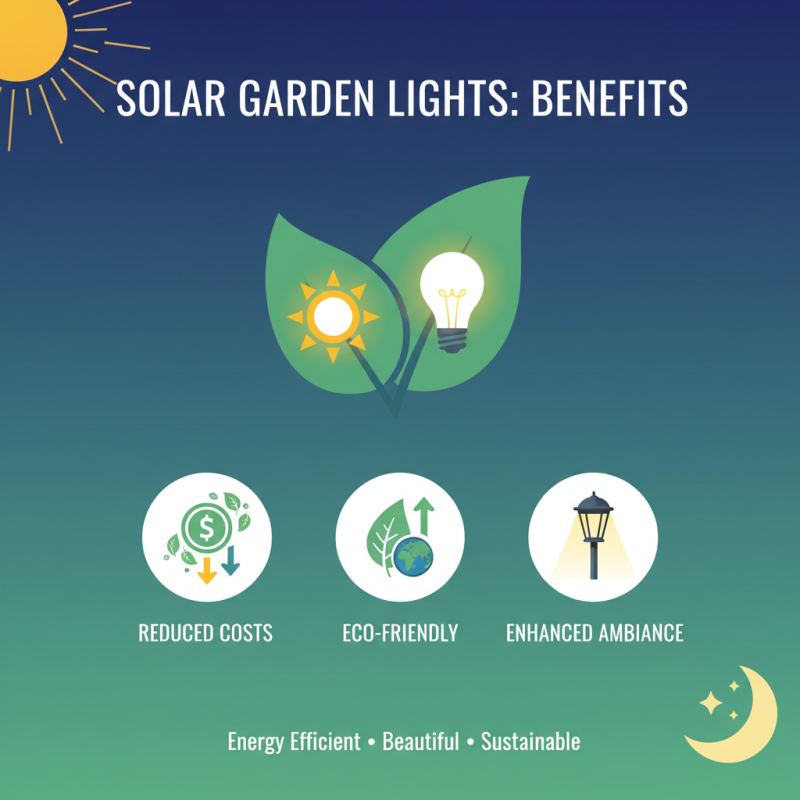
Using solar lights in your garden offers a multitude of benefits that enhance both the aesthetic and functional aspects of your outdoor space. One of the primary advantages is energy efficiency. Solar lights harness the sun’s energy during the day, converting it into power for nighttime illumination. This not only reduces electricity costs but also minimizes your carbon footprint, making it an environmentally-friendly lighting solution.
Additionally, the installation of solar lights is typically straightforward and requires no extensive wiring, which allows for greater flexibility in placement throughout your garden. From pathways to patios, solar lights can easily be positioned wherever you need illumination. Furthermore, many solar light options are equipped with motion sensors, providing added security by illuminating dark areas when movement is detected. This combination of convenience, energy savings, and enhanced safety makes solar lighting an excellent choice for garden enthusiasts looking to brighten their outdoor environment efficiently.
How to Properly Install Solar Lights in Your Garden
Proper installation of solar lights in your garden is crucial to maximizing their effectiveness and aesthetic appeal. Start by identifying key areas that need illumination, such as pathways, flower beds, and seating areas. Ensure these locations receive ample sunlight during the day to allow the solar panels to charge effectively. It’s best to install lights in spots with at least six to eight hours of direct sunlight for optimal performance.
When positioning your solar lights, avoid places with obstructions like trees or buildings that could cast shadows. Additionally, consider the height and angle of the lights to ensure they provide sufficient illumination without causing glare. Use stakes or mounting brackets to secure the lights firmly in place, particularly in areas prone to wind or other disturbances.
**Tips:** Always check that the solar lights are functioning before final installation by testing them in sunlight for a few hours. This will help you identify any faulty lights early in the process. Furthermore, for a cohesive look, select lights that complement your garden's design and color scheme. Regularly maintain the lights by cleaning the solar panels to remove dirt and debris, which can inhibit charging efficiency.
What is the Best Type of Solar Lights for Outside Use in Your Garden - How to Properly Install Solar Lights in Your Garden
| Type of Solar Light |
Brightness (Lumens) |
Battery Life (Hours) |
Installation Tip |
Ideal Placement |
| Pathway Lights |
50-100 |
6-8 |
Place every 6-8 feet |
Along walkways |
| Spotlights |
100-200 |
8-10 |
Aim at focal points |
Garden features |
| String Lights |
30-75 |
5-8 |
Hang at eye level |
Around seating areas |
| Wall Lights |
50-100 |
6-12 |
Install at 5-7 feet high |
On walls or fences |
| Deck Lights |
20-50 |
8-10 |
Recess into the deck |
On steps and railings |
Maintenance Tips for Long-lasting Solar Garden Lights
When it comes to maximizing the longevity and performance of solar garden lights, regular maintenance is essential. According to the Solar Energy Industries Association (SEIA), proper care and upkeep can extend the lifespan of solar lights by up to 50%. One of the most important maintenance tips is to ensure that solar panels are kept clean and free of debris. Dust, dirt, and leaves can obstruct sunlight, reducing the energy absorbed by the solar cells. Using a soft cloth to gently wipe down the panels at least once a month can significantly enhance their efficiency.
Furthermore, battery care is critical for the performance of solar lights. Many solar lights are equipped with rechargeable batteries, which should be replaced every one to two years, depending on usage. It's advisable to check for corrosion or leaks on the battery terminals regularly. The International Renewable Energy Agency (IRENA) suggests that utilizing high-quality batteries can improve light output, potentially increasing the average duration of illumination by about 30%. Additionally, during winter months or in areas with limited sunlight, storing solar lights indoors can prevent damage and ensure they continue to function optimally when spring arrives. Keeping these maintenance tips in mind will not only ensure your solar lights shine brightly in your garden but also contribute to a more sustainable environment.
What is the Best Type of Solar Lights for Outside Use in Your Garden
This chart illustrates the different types of solar lights and their average longevity based on maintenance levels. The data shows how well-maintained solar lights can outperform less-maintained options in terms of lifespan.