Best Factory Workshop Light Options for Your Business Needs?
When it comes to illuminating your workspace, selecting the right type of Factory Workshop Light is crucial. A well-lit factory enhances productivity and ensures safety for workers. The choice of lighting can impact not only the quality of work but also employee satisfaction.
Different workshops have unique lighting needs. Overhead lighting may be suitable for larger spaces, while task lighting is vital for detailed work areas. LED lights are energy-efficient and long-lasting, making them a popular choice. However, not all LED lights provide adequate brightness. Some can create shadows that hinder visibility.
It's essential to assess your specific requirements. Consider aspects like color temperature, brightness levels, and energy consumption. A thoughtful approach to selecting Factory Workshop Light can significantly enhance your operational efficiency. Always remember that even small changes in lighting can make a big difference.
Understanding the Importance of Proper Lighting in Factory Workshops
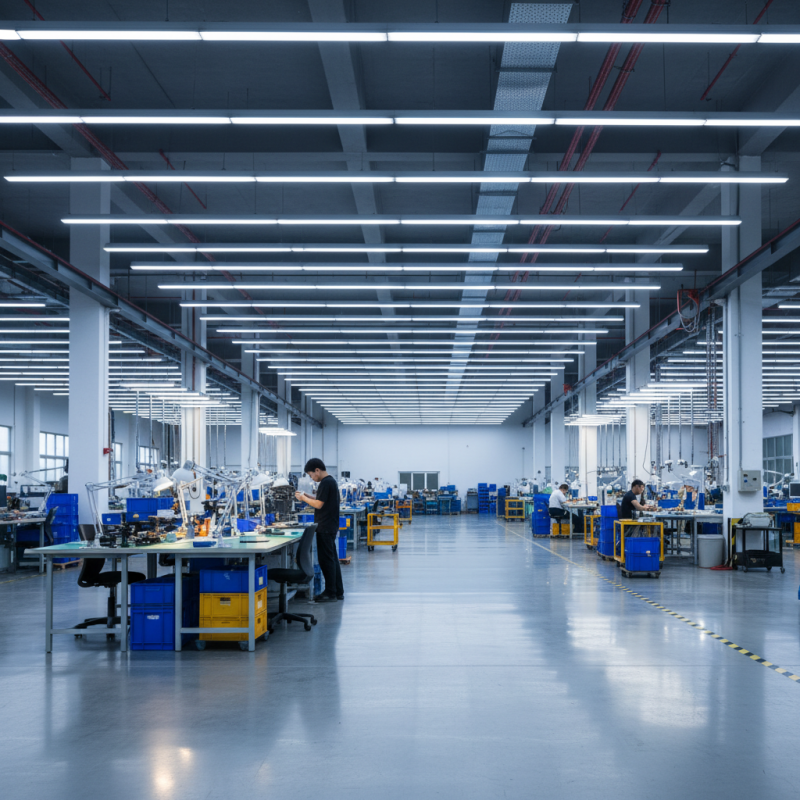
Proper lighting in factory workshops plays a crucial role in enhancing productivity and safety. Well-lit areas reduce the risk of accidents, making it easier for workers to see details. Dim lighting can lead to errors and increased tension. Workers often feel fatigued in poorly lit environments. It’s essential to assess each area of a workshop for appropriate lighting needs.
Different tasks require varying light intensities. Assembly lines may need bright overhead lights, while storage areas benefit from softer lighting. Properly positioned lights can minimize shadows, which may cause hazards.
Consideration for energy efficiency is also key. High-quality LED lights can save power and reduce costs over time. However, switching to LED requires initial investment and considerations about placement. Balancing cost and utility is an ongoing challenge. Regular evaluations of lighting effectiveness can lead to better decisions for the future.
Best Factory Workshop Light Options for Your Business Needs
| Lighting Type | Lumens Output | Energy Efficiency (W/1000 Lumens) | Lifespan (Hours) | Average Cost ($) |
| LED | 10000 | 20 | 50000 | 150 |
| Fluorescent | 7500 | 35 | 20000 | 100 |
| HID (Metal Halide) | 15000 | 40 | 20000 | 200 |
| Incandescent | 1600 | 90 | 1200 | 5 |
| CFL | 8000 | 40 | 10000 | 15 |
Types of Workshop Lights: Comparing LED, Fluorescent, and Halogen Options
When choosing workshop lights, three main types stand out: LED, fluorescent, and halogen. Each option has unique characteristics tailored to specific needs.
LED lights are energy-efficient and have a long lifespan. They produce bright illumination, improving visibility in work areas. However, initial costs can be higher compared to other lighting options. Evaluate your budget before making a decision.
Fluorescent lights offer a cooler light and are generally affordable. They tend to flicker, which may cause discomfort over time. Consider this if flickering could affect your workspace.
Halogen lights deliver excellent light quality and instant brightness. They emit considerable heat, making proper ventilation essential. This can be a downside in enclosed areas. Reflect on your environment's heating and cooling needs.
Tip: Always measure the space before purchasing. This reduces the chance of over or under-lighting an area. Proper placement is crucial for visibility.
Tip: Consult with lighting professionals. They can help assess your specific lighting needs. Tailoring the choice to your workspace optimizes efficiency and comfort.
Key Factors to Consider When Choosing Workshop Lighting for Your Business
Choosing the right lighting for workshop spaces is crucial. Proper illumination enhances safety and productivity. Research shows that well-lit workspaces can boost productivity by as much as 25%. However, many businesses face challenges when selecting the right lighting solution.
One key factor is the type of light source. LED lights are popular due to their energy efficiency and long lifespan. They can reduce energy costs significantly. A report from the U.S. Department of Energy indicates that LED lighting can consume up to 75% less energy compared to traditional lights. This is vital for businesses looking to reduce overhead without sacrificing quality.
Another consideration is light color temperature. The Kelvin scale measures this, with lower temperatures producing warm light and higher temperatures yielding cool light. Workspaces usually benefit from cool, white light, which helps reduce eye strain and enhances visibility. Inadequate lighting can lead to accidents and increased fatigue among workers. It’s essential to evaluate the specific needs of your workshop environment to find the optimal lighting solution. Ignoring these factors may result in lower morale and efficiency.
Best Practices for Installing and Maintaining Workshop Lighting Systems
Proper installation and maintenance of workshop lighting systems is crucial for productivity and safety. According to the Illuminating Engineering Society, well-lit environments can improve worker efficiency by up to 30%. This highlights the importance of selecting the right type of lighting. Factors such as color temperature and lumens per watt should be carefully considered to create a focused workspace.
When installing lighting, consider the layout of your workshop. Ensure that all areas receive adequate light. For instance, task-oriented areas need brighter lighting compared to general spaces. Regularly replacing bulbs and cleaning fixtures is essential. Dirty or outdated lights can reduce illumination by nearly 50%. Scheduling routine inspections can prevent common pitfalls like flickering lights or inconsistent brightness.
Additionally, explore energy-efficient options to lower costs. The Department of Energy has reported that LED lighting can reduce energy use by 75%. However, it is essential to balance energy savings with light quality. Not all LEDs provide the same color rendering index, which affects how colors appear in your workspace. Regular feedback from staff about the lighting conditions can lead to meaningful improvements.
Maximizing Energy Efficiency with Smart Lighting Solutions in Factories
In factories, energy efficiency is crucial for operational costs. Smart lighting solutions offer an intelligent approach. A report by the U.S. Department of Energy states that lighting accounts for nearly 35% of total energy usage in commercial buildings. This number can be lower with innovative lighting systems.
Implementing LED technology can dramatically reduce energy consumption. LEDs use 75% less energy than traditional incandescent bulbs. They also last up to 25 times longer. This longevity translates into fewer replacements. In busy workshops, maintenance can disrupt workflow. Smart sensors can adjust light levels based on occupancy, minimizing waste. Such systems reduce energy use by approximately 30%.
However, transitioning to smart lighting isn't without challenges. Initial costs may raise concerns, despite long-term savings. Workers might struggle to adapt to automated systems. A gradual integration approach can bridge this gap. Also, regular monitoring ensures the lighting meets production needs. Balancing efficiency with functionality is essential for success.