How to Choose LED Garden Lights at the 139th Canton Fair?
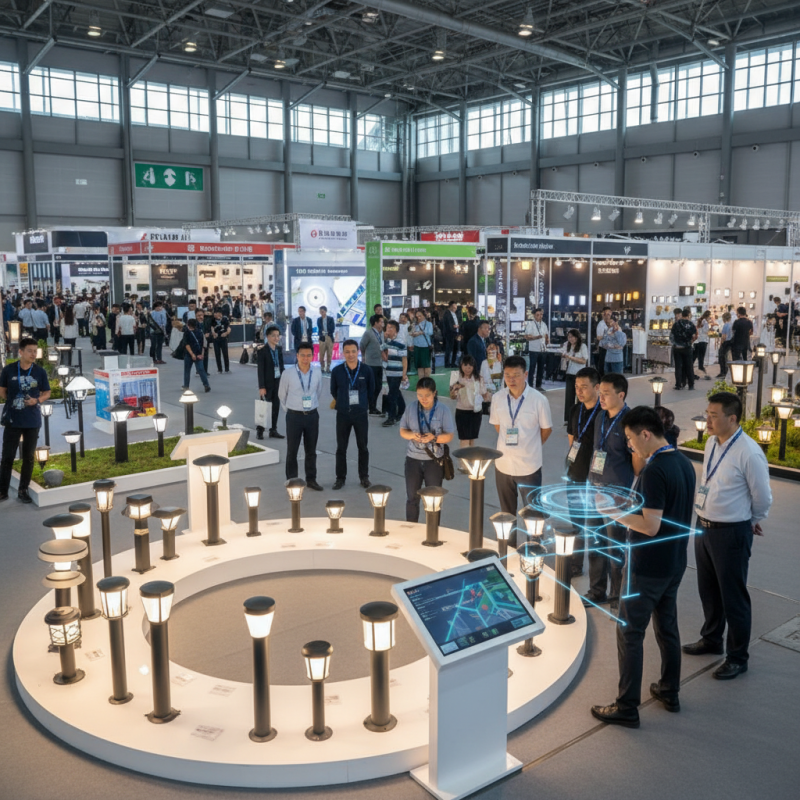
Choosing the right led garden light is crucial for enhancing outdoor spaces. The 139th Canton Fair offers a unique opportunity to explore innovative lighting solutions. Set in a vast exhibition area, this fair is scheduled for April 2026. It features advanced manufacturing and quality home products.
At the fair, visitors can find a variety of LED garden lights. These lights vary in design, brightness, and energy efficiency. It's essential to consider these factors when making a choice. One may feel overwhelmed by the options available. Some lights may not meet specific quality certifications, posing potential issues in the long run.
Navigating the fair can be challenging, especially with so many exhibitors. AI-powered smart navigation is available to help attendees find their way. This feature allows for quick screening of suppliers based on essential certifications. Efficiency is crucial for maximizing time spent at the fair, ensuring a better selection of LED garden lights.
Key Factors to Consider When Choosing LED Garden Lights
When selecting LED garden lights, several factors play a crucial role. The brightness of the lights matters. Different gardens and outdoor spaces require varying brightness levels. For example, a spacious garden might need brighter lights for illumination. On the other hand, a small patio may only require soft lighting for ambiance.
The design and style of the lights are also significant. They should complement the overall garden aesthetic. Consider shapes and colors that blend well with the plants and decor. Furthermore, the energy efficiency of LED lights is essential. You want to minimize energy consumption while maximizing output. The longer the lifespan, the better the investment.
Installation and maintenance cannot be overlooked. Some lights are easy to install; others may require expert help. Regular maintenance can ensure longevity. Think about whether you are willing to invest time for upkeep. Lastly, reflect on the warranty provided. It's good to have a safety net. Mistakes can happen in purchases, so a solid warranty is an assurance.
Understanding Different Types of LED Garden Lights Available
Choosing LED garden lights requires careful consideration. At the 139th Canton Fair, you'll see various types. Understanding their differences is vital.
Solar-powered lights are a popular option. They harness sunlight and are eco-friendly. However, they may not perform well in shaded areas. Consider placement carefully.
Battery-operated lights offer flexibility but require regular maintenance.
Wired LED lights provide consistent brightness. They can illuminate larger spaces but involve installation complexities. Some may find it challenging to wire them correctly.
Path lights and spotlights serve different purposes. Think about the landscape and your lighting needs. Take your time to explore and reflect on your choices.
Evaluating Brightness and Energy Efficiency Ratings in LED Lights
When choosing LED garden lights, brightness and energy efficiency ratings are crucial factors. Studies indicate brightness, measured in lumens, affects visibility and aesthetics in outdoor spaces. For example, lights with 800 lumens are suitable for pathway lighting, while brighter options, around 1600 lumens, are ideal for larger areas. Many consumers overlook this measurement, leading to inadequate illumination.
Energy efficiency is another essential aspect to consider. According to the U.S. Department of Energy, LED lights use up to 75% less energy than incandescent bulbs. A high-efficiency LED might have an Energy Star rating, indicating it meets specific performance criteria. Some consumers, however, might focus solely on the initial cost, ignoring long-term savings on energy bills. This short-sightedness can lead to higher overall spending.
Pay attention to the color temperature, which impacts the ambiance. Cool white lights provide a modern feel, while warm white creates a cozy atmosphere. Many buyers still choose color temperature based solely on personal preference. This choice may not always align with their garden's design or purpose, which can result in less satisfying outcomes. Remember that energy ratings play a significant role too. A product with lower energy consumption does not always mean high brightness. Balancing these considerations is key to a successful selection.
How to Choose LED Garden Lights at the 139th Canton Fair? - Evaluating Brightness and Energy Efficiency Ratings in LED Lights
| Model | Brightness (Lumens) | Wattage (W) | Energy Efficiency Rating | Color Temperature (K) | Material |
| Model A | 800 | 10 | A++ | 3000 | Aluminum |
| Model B | 1200 | 15 | A+ | 4000 | Plastic |
| Model C | 600 | 8 | A++ | 2700 | Stainless Steel |
| Model D | 1500 | 20 | A | 6000 | Glass |
Importance of Color Temperature and Design in Garden Lighting
Choosing the right LED garden lights can significantly enhance the atmosphere of your outdoor space. One crucial factor to consider is color temperature. It influences how the lighting appears and interacts with plants and architecture. Studies indicate that warmer lights (2700K to 3000K) create a cozy, inviting environment. In contrast, cooler temperatures (5000K to 6500K) result in a more vibrant, energizing feel.
Design plays a key role as well. How the light fixtures complement your garden's aesthetic can affect functionality and beauty. A report by the Lighting Research Center emphasizes the importance of fixture placement to maximize the effects of color temperature. Using lights strategically can highlight paths, trees, and decorative elements without overwhelming the scene.
Tip: When selecting, test the color temperature options in your garden. What looks good in a store may differ in natural surroundings. Evaluate how lights interact with your garden’s colors. Ensure you choose designs that blend in but also stand out just enough. Consider how weather conditions may change their appearance.
Budgeting for Quality: Price Ranges and ROI of LED Garden Lights
When choosing LED garden lights, budgeting is key. Understanding price ranges can help you make informed decisions. Typically, prices vary based on quality and features. Basic models can start as low as $10. Higher-end options may exceed $100.
It's vital to evaluate your investment's return. Quality lights can last much longer. They consume less energy, which saves on electricity bills. You might pay more upfront, but they often pay off over time.
**Tip:** Consider the lifespan of the products. Some lights may fail earlier than expected.
Don't forget to check brightness levels. Some lights may look bright initially, but they can dim quickly.
**Tip:** Compare different models at the fair. Ask vendors about warranties or guarantees. A good warranty can add value. Overall, be ready to think critically about where your money goes.
Cost Analysis of LED Garden Lights
The chart above illustrates the average price ranges for different quality levels of LED garden lights. Understanding these price points can help you budget effectively for your garden lighting needs.