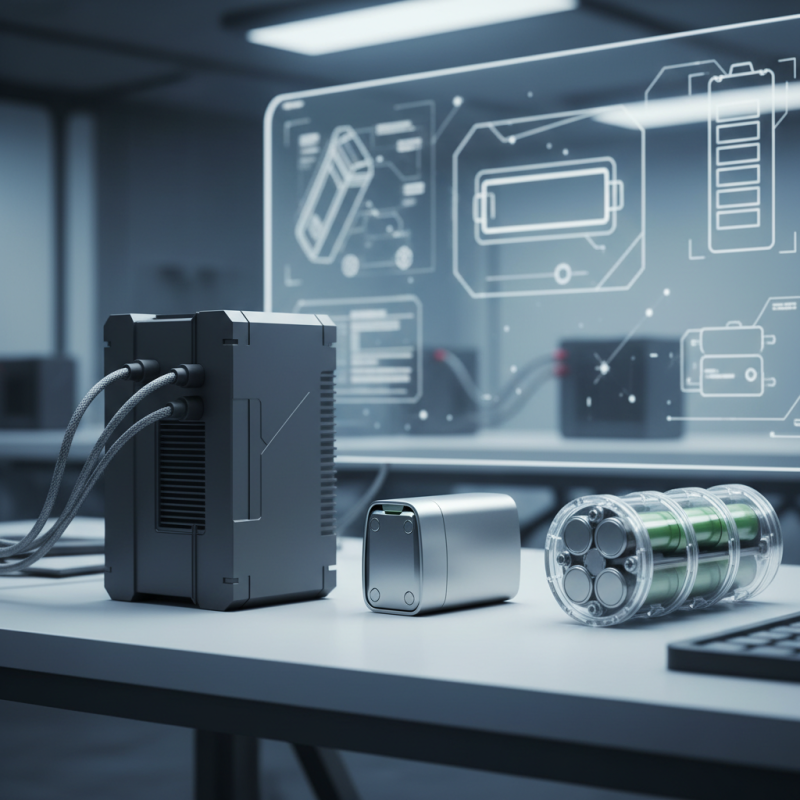
How to Choose the Right Robot Lithium Battery for Your Needs?
Choosing the right robot lithium battery is crucial for ensuring optimal performance. A well-suited battery enhances efficiency and prolongs usage. Various factors come into play when selecting a battery for your robot.
Capacity is key. It determines how long your robot can operate between charges. Think about your robot's requirements. Does it need high energy for powerful tasks or lighter energy for simple ones? The weight of the battery also matters. Heavy batteries can restrict mobility.
Don’t forget about the battery's lifespan. A longer lifespan can save you money in the long run. However, more expensive options often promise greater longevity. Evaluate your budget carefully. Reflect on your robot's purpose and environment. This will guide you toward the ideal choice of a robot lithium battery.
Understanding the Different Types of Lithium Batteries for Robots
When selecting lithium batteries for robots, understanding the different types is vital. There are primarily three types: lithium-ion, lithium polymer, and lithium iron phosphate. Each has unique characteristics that impact performance and efficiency. For instance, lithium-ion batteries are popular for their energy density. Reports indicate they can provide up to 250 Wh/kg. This high energy capacity supports extended operational periods for many robotic applications.
On the other hand, lithium polymer batteries are lighter and can be shaped into various forms. This flexibility is crucial for compact robotic designs. However, they are typically more expensive. Interestingly, lithium iron phosphate batteries are known for their safety and thermal stability. According to industry data, they can endure numerous charge cycles, making them suitable for heavy-duty robots. Yet, their energy density is lower, often around 90 Wh/kg. This duality presents important considerations.
Selecting the right type involves a trade-off. Some users may prioritize weight over capacity while others might focus on safety features. This decision should reflect specific application requirements, balancing performance and cost. Understanding these differences can lead to a more informed choice.
Evaluating Voltage and Capacity Requirements for Your Robot
Choosing the right lithium battery involves understanding voltage and capacity. Voltage requirements determine how powerful your robot can be. Different applications may need different voltages. For instance, a small robot might function well on 3.7V, while larger models may require 12V or more. Not meeting the voltage needs can lead to performance issues.
Capacity is equally important. It defines how long your robot will run before needing a recharge. This is measured in milliampere-hours (mAh). For example, a battery with 3000mAh can power a device for several hours, depending on the load. However, it’s crucial to balance capacity with weight. A heavier battery can limit mobility. You may find trade-offs between weight and run-time. Sometimes, the ideal solution may seem complicated. You might spend time testing different setups. Don't be afraid to experiment. It's part of the process.
Assessing Discharge Rates and Their Impact on Robot Performance
When selecting a robot lithium battery, understanding discharge rates is crucial. Discharge rates, measured in C-rates, indicate how quickly a battery can deliver energy. A battery with a high discharge rate can provide power rapidly, which is essential for demanding tasks. However, if your robot doesn't require such bursts, a lower discharge rate may suffice. Balancing these needs can be tricky.
Too high of a discharge rate can lead to overheating. This negatively impacts battery life and robot performance. Issues may arise if the battery drains faster than anticipated during operation. Observing the robot's specific power demands can help you make an informed choice. For example, consider a robot used for heavy lifting. It likely needs a battery with a higher C-rate. Conversely, a robot designed for light tasks may only require a standard battery.
It's also worth noting how environmental conditions affect discharge rates. Extreme temperatures can change performance characteristics. A battery that performs well in ideal conditions may underperform in the cold or heat. Evaluating these factors is vital. Seek real-life feedback and metrics to guide your decision. The right choice isn’t always straightforward. Testing different options helps discover what works best.
Discharge Rates of Different Lithium Batteries
Considering Environmental Factors When Selecting a Battery
When selecting a lithium battery for your robot, environmental factors play a crucial role. Batteries contribute significantly to ecological issues. According to a report by the International Energy Agency, improper disposal can lead to severe environmental damage. Lithium extraction and processing also consume large amounts of water and energy. Thus, sustainable choices are essential.
Battery lifespan is another concern. A shorter lifespan means more frequent replacements. This leads to increased waste and more significant ecological burden. Research shows that the average lithium battery lasts about 2-3 years. Choosing a battery with a longer cycle life can help mitigate this issue.
Tips: Look for batteries with recycling programs. Choose products made with less harmful materials. Evaluate the battery's energy density as it impacts efficiency. Consider the manufacturing practices of the battery makers, as some prioritize sustainability more than others. Make choices that lessen your environmental footprint, even if the options are not always perfect. Reflect on how every small decision impacts our planet.
Budgeting for Battery Costs and Lifecycle in Robotic Applications
When selecting the right lithium battery for your robotic application, budgeting is crucial. You need to consider upfront costs, maintenance, and replacement expenses over time. Collectively, these factors can significantly impact the overall budget. An affordable battery may save money initially but could lead to higher long-term costs.
Tips: Always calculate the total cost of ownership. Include potential maintenance and replacement costs in your budget. Look at lifespan ratings to understand how often you'll need replacements.
It’s essential to keep your application’s specific needs in mind. Different robots have varied power requirements, influencing battery type and size. Researching battery options may feel overwhelming. Balancing performance and cost effectively is key. Investing in quality batteries often pays off in reliability and efficiency.
Tips: Monitor your robot's performance regularly. Evaluate whether the battery lasts through expected cycles. If it doesn’t, you may need a different option. Be open to reassessing your choice based on operational feedback.
How to Choose the Right Robot Lithium Battery for Your Needs? - Budgeting for Battery Costs and Lifecycle in Robotic Applications
| Battery Type | Capacity (Ah) | Voltage (V) | Cost ($) | Lifecycle (Cycles) | Weight (kg) |
| Lithium Iron Phosphate | 100 | 12 | 300 | 2000 | 12 |
| Lithium Nickel Manganese Cobalt | 80 | 24 | 400 | 1000 | 8 |
| Lithium Cobalt Oxide | 60 | 12 | 250 | 800 | 5 |
| Lithium Titanate | 120 | 48 | 600 | 7000 | 15 |