Why Choose a Lithium Battery Car for Your Next Vehicle?
In recent years, the popularity of Lithium Battery Cars has surged. These vehicles offer a modern, efficient alternative to traditional gasoline cars. The appeal lies in their innovative technology and environmental benefits. Imagine driving a car that emits zero tailpipe emissions and contributes to cleaner air. With advancements in battery technology, Lithium Battery Cars are becoming more powerful and affordable.
Choosing a Lithium Battery Car means embracing sustainability. Many people are drawn to the idea of reducing their carbon footprint. However, some may question the longevity of battery life or the infrastructure for charging. It’s important to reflect on these concerns as you consider your options. Despite some uncertainties, the advantages of Lithium Battery Cars are compelling.
As we explore why a Lithium Battery Car might be the right choice for your next vehicle, consider elements such as cost savings and performance. With each journey, you contribute to a greener planet. In this fast-evolving automotive landscape, making an informed decision is key. So, are you ready to drive into the future?
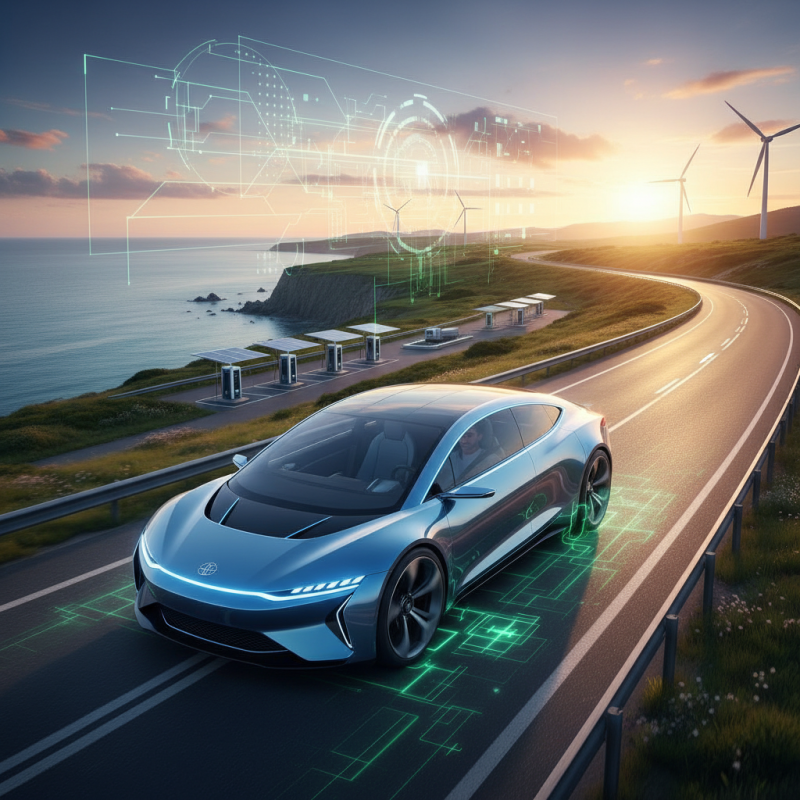
Advantages of Lithium Battery Technology in Electric Vehicles
Lithium battery technology is reshaping the electric vehicle landscape. These batteries offer higher energy density than traditional options. This means longer ranges for your car. Many drivers appreciate covering more distance without frequent charging. A typical lithium battery can provide between 100 to 300 miles per charge, depending on the vehicle design.
Charging times are another big plus. Lithium batteries can charge faster than other types. A standard home charger might refill a lithium battery in a few hours. Public fast chargers can do it in under an hour. However, the infrastructure for these chargers is still developing. Some places might lack enough stations. If you are not prepared, this can lead to inconvenient situations.
Another advantage is the lifespan of lithium batteries. They tend to last longer than older technologies. Many lithium batteries can last over 10 years. This means less frequent replacements and waste. However, recycling and disposal are critical issues. Not all recycling facilities handle lithium batteries. This gap raises concerns about our environmental impact. Using lithium technology offers benefits but also comes with challenges to consider.
Cost-Effectiveness of Lithium Battery Cars Over Time
Lithium battery cars have been gaining popularity for good reasons. One major aspect is their cost-effectiveness over time. Initially, the price of a lithium battery vehicle may seem steep. However, when you consider the long-term savings, it starts to make sense. For instance, maintenance costs are often lower than those of traditional vehicles. Electric vehicles typically require less frequent servicing.
The cost of electricity is generally lower than gasoline prices. In many regions, charging your car at home can save you a significant amount each month. Imagine running errands without worrying about fluctuating gas prices. The cost of ownership can make a real difference in the long run.
However, there are challenges. The availability of charging stations can be a concern for some. Planning trips may take more effort than with gas cars. Battery lifespan is another factor to consider. While lithium batteries last a long time, they do degrade. Ultimately, the decision requires careful thought and consideration of these details. The financial aspect is clear, but weighing convenience and practicality remains key.
Environmental Impact and Sustainability of Lithium Battery Cars
Lithium battery cars are changing the automotive landscape. Their environmental impact is significant. These vehicles produce zero tailpipe emissions, which reduces air pollution. However, the initial production of lithium batteries raises concerns. Mining lithium can harm local ecosystems. It’s crucial to address this issue for a sustainable future.
The lifecycle of a lithium battery offers some hope. Many manufacturers are now focusing on recycling and repurposing used batteries. This process can minimize waste. It also helps recover valuable materials for new batteries. Yet, the infrastructure for battery recycling is still developing. This lag can hinder progress in sustainability efforts.
Choosing a lithium battery car is a step toward greener transportation. It encourages innovation in cleaner technologies. But, we must remain critical of our choices. Are we truly supporting sustainability? Awareness and responsible consumption are key. More dialogue around these issues is necessary for improvement.
Charging Infrastructure and Accessibility for Lithium Battery Vehicles
The growing popularity of lithium battery vehicles is closely tied to the development of charging infrastructure. As of 2023, there are over 1.3 million public charging stations worldwide, showing significant investment in this technology. However, accessibility remains uneven. Urban areas tend to have a well-developed network, while rural regions often lack sufficient support. This gap in infrastructure creates challenges for prospective buyers outside major cities.
Moreover, the charging time can be a concern. While rapid chargers can fill a battery in about 30 minutes, many stations still deliver slower charging options. In fact, industry reports suggest that nearly 40% of EV owners experience range anxiety. As a result, the need for a reliable charging network is crucial for encouraging more consumers to transition to lithium battery vehicles. Convenience and proximity to charging stations must be prioritized for wider adoption.
Battery technology also poses its own set of challenges. Although advancements have led to greater energy density, range limitations persist. Many consumers worry about how far they can drive before needing a charge. This concern often outweighs the environmental benefits. Addressing these issues requires innovative solutions in both technology and infrastructure. Building a comprehensive charging network is a key step in promoting lithium battery adoption.
Charging Infrastructure for Lithium Battery Vehicles
This chart illustrates the distribution of charging infrastructure for lithium battery vehicles across various charging types, highlighting the importance of access to charging stations for potential electric vehicle owners.
Performance and Efficiency Comparisons with Traditional Fuel Cars
When considering a vehicle, performance and efficiency are crucial. Lithium battery cars excel in these areas. They offer instant torque, allowing for quick acceleration. In contrast, traditional fuel cars often take time to build up speed. This difference results in a more dynamic driving experience for lithium battery vehicle owners.
Efficiency is another strong point. Lithium battery cars consume less energy per mile compared to their fuel counterparts. They operate on electricity, which can be cheaper in many regions than gasoline. While power stations need improvements to support widespread charging, the long-term savings can be significant. Yet, some might argue that the initial purchase price for lithium battery cars is higher. This can feel daunting for budget-conscious buyers.
Battery range is a common concern. Many fear that lithium battery vehicles might not cover long distances. Charging infrastructure is still developing and can be patchy in rural areas. But urban charging options are strong and growing rapidly. As technology improves, these vehicles will only get better, addressing current limitations. Transitioning to electric does come with its quirks, but the journey is exciting, and it is worth the exploration.