How to Choose the Best Heavy Duty Slurry Pump for Your Needs?
Choosing the right heavy duty slurry pump is crucial for various industrial applications. The global slurry pump market is projected to reach $6.92 billion by 2026, reflecting the growing demand for efficient solutions. These pumps are essential for transporting abrasive and viscous materials in construction, mining, and wastewater sectors.
Key factors must be considered when selecting a heavy duty slurry pump. The pump’s material should withstand harsh environments. Additionally, its capacity and efficiency can impact operational costs. An inadequate choice may lead to increased maintenance and downtime, ultimately affecting productivity.
Many users overlook certain specifications. For instance, the pump's design influences its effectiveness in specific applications. Companies can experience significant losses if they fail to choose wisely. Thus, it is imperative to thoroughly analyze individual requirements and consult industry standards for optimal results.
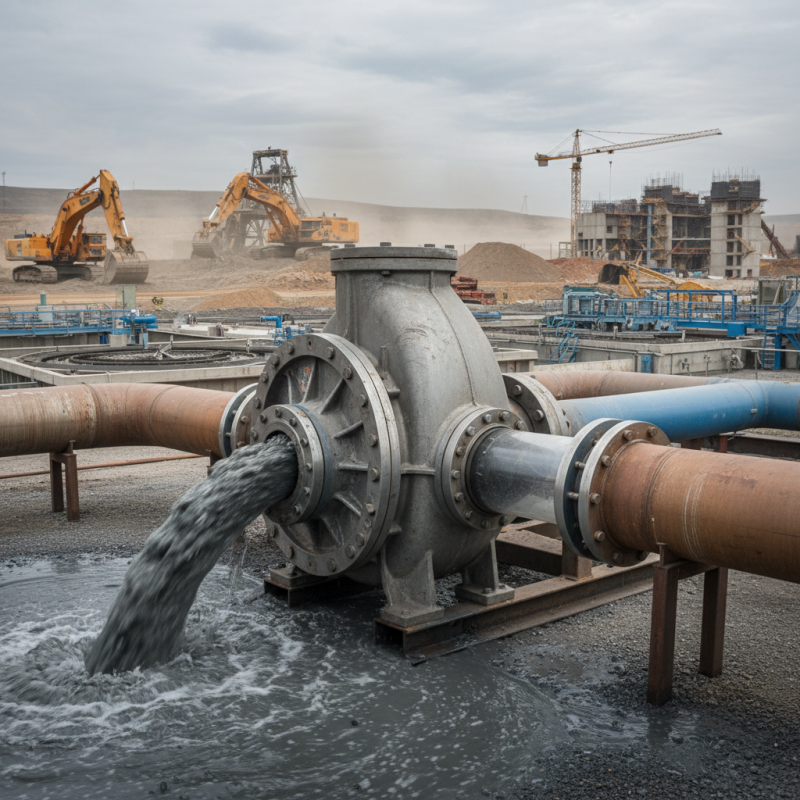
Factors to Consider When Selecting a Heavy Duty Slurry Pump
Choosing the right heavy-duty slurry pump can be challenging. It's essential to consider several factors that affect performance. Pump capacity is a critical aspect. Industry reports indicate that pumps must handle specific flow rates. A pump's flow rate should match your operational needs. For instance, a common requirement is between 500 to 5000 gallons per minute.
Another important factor is the type of material being pumped. Slurry composition varies widely. Some materials are abrasive; others are corrosive. Research shows that rough slurries can wear pumps out quickly. Selecting a pump with the right materials, such as hardened steel or rubber, can improve longevity. Do not overlook the slurry's viscosity. High-viscosity materials can affect pump efficiency.
Keep in mind the environment where the pump will operate. High temperatures or extreme conditions can impact performance. Industry data suggests that heavy-duty slurry pumps designed for harsh environments last longer. This is vital for reducing downtime. You might also want to consider maintenance needs. Some pumps require more frequent maintenance, which can affect overall costs.
Understanding Slurry Pump Specifications: Flow Rate and Head Pressure
When selecting a heavy-duty slurry pump, understanding the specifications is crucial. Two important aspects are flow rate and head pressure. The flow rate indicates how much slurry the pump can move in a specific time. It’s measured in gallons per minute (GPM) or liters per second (L/s). If your system requires a high flow rate, ensure the pump can meet this demand continuously.
Head pressure is equally vital. It indicates the vertical distance the pump can push fluids. You need a pump that can handle the pressure of the material you are working with. If the head pressure is too low, the pump will struggle. This can lead to inefficiency and potential damage.
Tip: Always calculate the total dynamic head (TDH) your system requires. This includes friction loss and elevation changes.
Choosing the right pump isn't just about looking at numbers. It's essential to consider the type of slurry. Different materials may affect pump performance. Overestimating your needs can lead to choosing a pump that's overly powerful. This will waste energy and money.
Tip: Do a trial run with various pumps to see how they handle your specific slurry. Test their performance under real conditions for the best results.
Material Compatibility: Choosing the Right Pump for Your Slurry Type
Choosing the right slurry pump involves understanding material compatibility. Different slurries require specific materials. For instance, abrasive slurries demand highly durable materials. Rubber and certain alloys are good choices for these fluids.
On the other hand, corrosive slurries require pumps made from resistant materials. Stainless steel is often a suitable option. However, it can be expensive. Some environments might also require specialized polymers. These can withstand harsh chemicals but may not be as robust for heavy solids.
Matching material to slurry type can be tricky. Improper selection can lead to premature wear and tear. Sometimes, the best option is to consult with industry experts. They can provide insights tailored to your specific application. Don't overlook the importance of proper maintenance, as it contributes to the pump's longevity.
Maintenance and Durability: Assessing Pump Lifespan and Service Needs
When evaluating the maintenance and durability of heavy-duty slurry pumps, assessing their lifespan is crucial. Industry reports indicate that the average lifespan of a slurry pump ranges from 5 to 10 years, depending on the materials used and operational conditions. Proper maintenance can extend this period significantly. Regular inspections and timely repairs can help identify issues before they escalate. A well-maintained pump can be up to 40% more efficient than one that has not been serviced adequately.
Service needs play a vital role in achieving optimal performance. Components like seals, casing, and impellers are particularly susceptible to wear and tear. According to a recent study, improper maintenance can lead to a decrease in efficiency by as much as 30%. Utilizing advanced monitoring technologies can assist in scheduling maintenance more effectively. However, many operators neglect this proactive approach, often resulting in costly downtimes and repairs. Understanding and implementing a robust maintenance plan is essential for maximizing the durability and lifespan of your pump.
Investing in high-quality materials and implementing a routine service schedule is not enough. Operators must also train staff on proper usage and maintenance techniques. Human error can lead to unexpected failures. The National Association of Pump Manufacturers reported that around 25% of pump failures are attributed to operational mistakes. Continuous education and training can mitigate these risks. Balancing technology with hands-on knowledge is vital for ensuring a slurry pump will serve its intended purpose effectively.
Cost vs. Performance: Budgeting for Your Heavy Duty Slurry Pump
When considering a heavy-duty slurry pump, budget plays a vital role. It's essential to analyze costs versus performance. A more expensive pump may offer greater efficiency and durability. However, not every project requires top-tier performance. Sometimes, a mid-range option suffices. It’s essential to assess your specific needs.
Price variations often stem from features and materials. A pump designed for tougher conditions may cost more. But for lighter tasks, a basic model might do just fine. Identifying the right balance between cost and capability is critical for effective budgeting. Consider potential long-term savings versus initial expenditure.
Quality shouldn't be compromised for savings. Sometimes, cheaper options lead to frequent repairs. This can increase overall costs. Also, maintenance fees can add up. Investing a bit more upfront can yield better outcomes. Reflect on your project's demands and evaluate all factors carefully. This not only aids your wallet but also enhances operational efficiency.
How to Choose the Best Heavy Duty Slurry Pump for Your Needs? - Cost vs. Performance: Budgeting for Your Heavy Duty Slurry Pump
| Pump Model | Flow Rate (m³/h) | Max Head (m) | Power (kW) | Weight (kg) | Price ($) |
| Model A | 250 | 25 | 15 | 350 | 850 |
| Model B | 300 | 30 | 18 | 400 | 950 |
| Model C | 400 | 35 | 22 | 450 | 1200 |
| Model D | 350 | 32 | 20 | 470 | 1100 |