How to Choose the Right Vehicle Power Inverter for Your Needs?
Choosing the right vehicle power inverter can greatly enhance your travel experience. With so many options available, it is crucial to understand your specific needs. A vehicle power inverter converts DC power from your car into AC power for your devices.
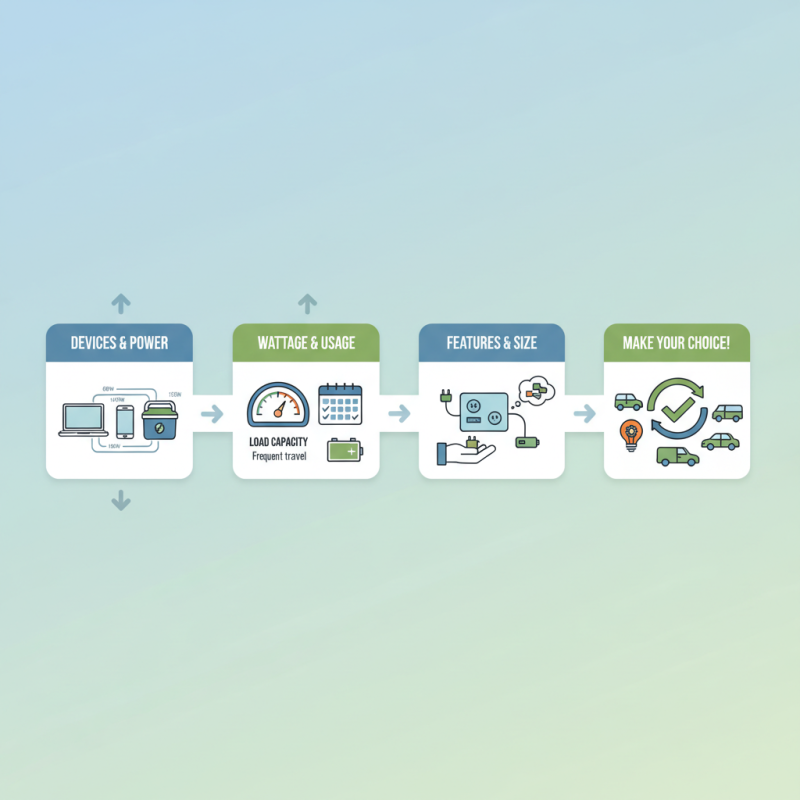
Consider your devices and their power requirements. For example, a laptop may need a different inverter than a simple phone charger. Take note of wattage ratings and ensure that the inverter can handle your load. It’s essential to think about how often you will use it. If you travel frequently, investing in a quality inverter makes sense.
While finding the perfect vehicle power inverter can be challenging, remember there is no one-size-fits-all. Each situation is unique. A little research goes a long way. Reflect on the features that matter most to you. Consider portability, size, and additional features like USB ports. A thoughtful approach will lead you to the right choice.
Understanding Vehicle Power Inverters: Basic Concepts and Functions
A vehicle power inverter is a device that converts DC power from your car’s battery into AC power. This allows you to use regular household appliances while on the road. It's essential for camping trips, road trips, or emergency situations.
Understanding its basic functions helps you choose wisely. Inverters come in different sizes, which impacts how much power they can deliver. A small inverter may be sufficient for charging phones or laptops. However, if you're powering larger devices, like a TV or fridge, you'll need a more robust option. Always check the wattage of your devices to ensure compatibility.
Installation can be a bit tricky. Some users might struggle with proper connections. It's vital to follow instructions carefully. Misconnections can lead to damage to both the inverter and your vehicle. Not everyone is comfortable doing this alone, which is a key consideration. Getting professional help might be a good idea in those situations. Think about your actual power needs and the appliances you plan to use. This reflection can prevent overspending on unnecessary features.
Power Inverter Types and Their Applications
This chart represents the different types of vehicle power inverters and their relative applications. Modified sine wave inverters are the most common due to cost-effectiveness, while pure sine wave inverters are preferred for sensitive electronics. Grid tie inverters connect to the electrical grid, and inverter chargers provide both charging capabilities and power inversion.
Determining Your Power Needs: Calculating Wattage Requirements
When choosing a vehicle power inverter, calculating your wattage requirements is crucial. Start by listing all the devices you intend to use. Common items include laptops, phones, and small appliances. Each device has a specific wattage rating. Identifying these figures helps in assessing your total power needs.
For example, a laptop might consume around 60 watts, while a phone charger could take up to 10 watts. It’s easy to underestimate. Always check the labels. Add up the wattage of all devices to find your total. Don’t forget to consider the start-up wattage for electronics like refrigerators. They often require more power when first turned on.
You may find discrepancies in your calculations. It’s essential to account for inefficiencies common in inverters. Some energy will be lost during the conversion process. It’s advisable to choose an inverter with a higher wattage than your total estimate. Unexpected challenges with power draw can be frustrating. Ensure you don’t overload the inverter. This can lead to overheating and potential failure. Planning your power needs in advance will save you time and trouble on the road.
How to Choose the Right Vehicle Power Inverter for Your Needs? - Determining Your Power Needs: Calculating Wattage Requirements
| Device | Wattage Requirement (Watts) | Recommended Inverter Size (Watts) | Additional Notes |
| Laptop | 50-100 | 200 | Consider peak wattage for startup. |
| TV | 100-400 | 600 | Check size and type of TV. |
| Coffee Maker | 600-1200 | 1500 | Select inverter with high surge capability. |
| Refrigerator | 150-400 | 800 | Consider starting wattage for compressor. |
| Power Tools (e.g., drill) | 500-1500 | 2000 | Account for high startup wattage. |
Types of Vehicle Power Inverters: Modified Sine Wave vs. Pure Sine Wave
When choosing a vehicle power inverter, understanding the difference between modified sine wave and pure sine wave inverters is crucial. Modified sine wave inverters are often more affordable. They provide electrical power in a simpler form. However, this simplicity comes with drawbacks. Some sensitive electronics may not work properly. For instance, devices like laptops or audio equipment may struggle with them.
On the other hand, pure sine wave inverters produce a smooth, consistent output. This makes them a better choice for delicate equipment. They mimic grid power more closely, which is ideal for high-end electronics. While these inverters tend to be pricier, they reduce the risk of damaging your devices. If you plan to use multiple devices or sensitive equipment, investing in a pure sine wave inverter is wise.
Both types have their pros and cons. Many users may not fully understand their actual needs. Testing devices may feel inconvenient but is necessary. Consider the types of devices you want to power when making a decision. Balancing cost and functionality will ultimately guide you.
Factors to Consider When Buying: Size, Portability, and Features
When choosing a vehicle power inverter, several key factors can greatly influence your decision. Size is one of the most crucial aspects. An inverter should fit comfortably in your vehicle. If it's too large, you may struggle to find a suitable space. On the other hand, a compact inverter might not deliver the power you need. Consider how much power you anticipate needing. Too little power can hinder your electronics, while too much can lead to wasted resources.
Portability is another factor to think about. If you plan to use the inverter in multiple locations, look for lightweight options. Heavier models can be cumbersome to transport. Some inverters come with handles or straps, making it easier to carry. Think about how often you’ll move the inverter around. Reflect on how you will use it during road trips or camping excursions.
Lastly, the features offered by the inverter can make a difference. Features like USB ports and built-in protection systems are worth considering. They enhance functionality and safety. Some inverters might lack essential features, leaving you unsatisfied. Always check the specifications before purchasing. Your needs might evolve, so choosing an inverter with extra features can be beneficial in the long run. This choice will ultimately affect your experience on the road.
Installation and Safety Tips for Vehicle Power Inverters
When installing a vehicle power inverter, safety must be a priority. According to industry reports, improper installation can lead to electrical fires and equipment damage. Always ensure proper ventilation when using inverters, as they can generate heat. A well-ventilated area reduces this risk significantly. It’s also vital to disconnect the battery ground before installation. This step minimizes the danger of electric shock.
Using the appropriate gauge wiring is essential. Undersized wires can overheat and create hazards. The National Electrical Code (NEC) states that wire gauge affects current capacity. For inverters under 1500 watts, a minimum of 12-gauge wire is recommended. Using fuses at the correct size further protects against overload issues. Regularly inspect connections for signs of wear or corrosion. Such checks can prevent unexpected failures.
Awareness of load capacity is crucial too. Overloading an inverter can cause it to shut down or damage connected devices. Know the total wattage of what you're powering. A common mistake is connecting too many devices without consideration. When choosing an inverter, match the power requirements precisely. This understanding can prevent costly mistakes and ensure longer inverter life.