Choosing solar street lights in 2026 is not just a matter of comparing prices or panel sizes. The right system must suit the road, climate, pole height, and hours of darkness. A quiet access lane has different needs from a busy junction. Small details matter.
Energy-efficiency expert Amory Lovins is often quoted as saying, “The cheapest energy is the energy you don’t use.” This is a broad efficiency principle, not a street-lighting specification. Still, it offers a useful starting point: efficient LEDs and thoughtful light distribution can reduce the energy a system needs. Then check the practical details. Compare battery capacity, panel output, stated autonomy, and operating performance on cloudy nights. Ask for photometric data, not just a bright product photo. Check the warranty, ingress protection rating, and how replacement parts are handled.
There is no single best model. A unit that performs well in one location may disappoint in another. Rainfall, shade, winter daylight, and nearby trees can all affect charging. Even pole spacing deserves a second look. This guide explains how to assess these factors, compare product specifications, and spot claims that need verification. Some figures may look precise, yet real-world results still depend on installation and local conditions. That part is easy to overlook.
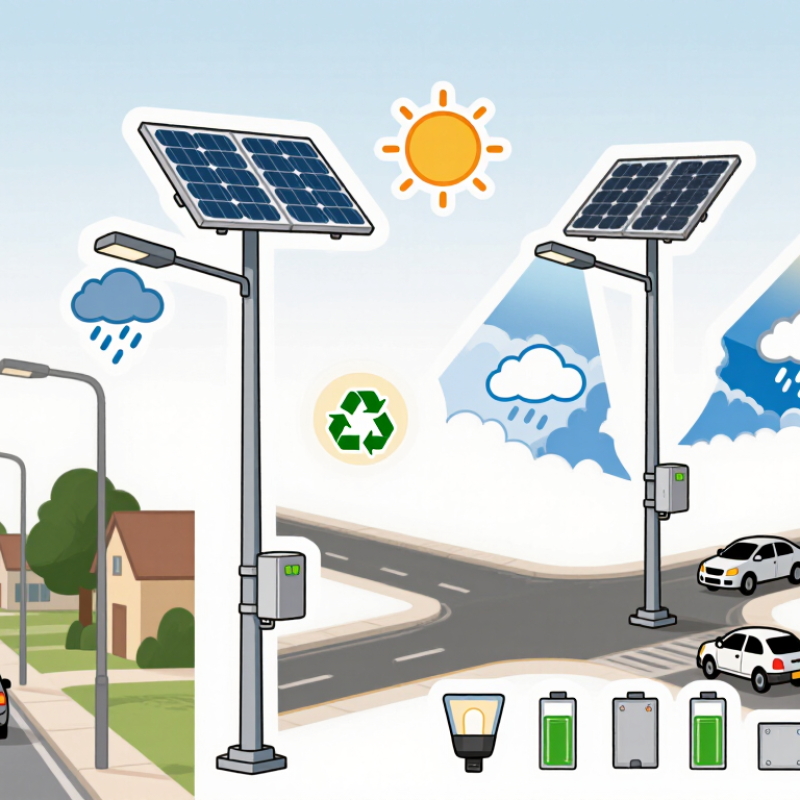
Before choosing a solar street light, define what the street needs illuminated. Measure its width, length, and pole locations, then note nearby intersections, crossings, sidewalks, and entrances. A quiet access road needs different coverage from a busy pedestrian route. Check how the space is used after dark, too. Real site conditions matter.
Set a target light level and acceptable uniformity with a qualified lighting professional. Bright pools beneath poles can leave dark gaps between them. Record mounting height, pole spacing, and nearby trees or buildings that may cast shadows. Consider the hours of operation and the dimming schedule. Then assess local sunlight across seasons, not just on a clear summer day. Battery autonomy should account for cloudy periods and the site’s nighttime runtime. A tidy spreadsheet can still miss a shadow that appears only in winter.
Tips: Walk the site after dark and photograph dim areas. Ask for a photometric layout based on your measurements, not a generic pole-spacing estimate. Note any assumptions that feel uncertain; a second site visit may be needed. Small details can change the design.
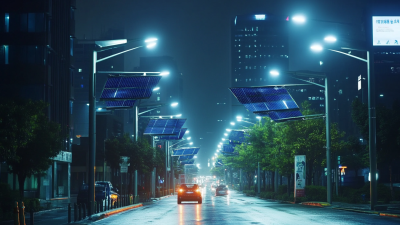
Choosing solar street lights in 2026 starts with the site, not the product sheet. Track direct sunlight at the proposed panel location across seasons. Nearby trees, rooflines, and future growth can reduce charging time. Winter matters most in many regions. Check local solar data, then confirm conditions on site over clear and cloudy days. A bright noon reading is not enough.
Tips: Photograph the location in the morning, at midday, and late afternoon. Note shade, panel direction, and likely snow or dust buildup. Ask how the system handles several low-sun days, and compare battery capacity with the required overnight runtime. Small detail, big effect.
Climate and installation conditions shape the design. Coastal salt, desert dust, heavy rain, freezing nights, and strong winds place different demands on enclosures, batteries, and foundations. Check operating-temperature and ingress-protection ratings, but do not treat them as guarantees of long service life. Position panels where maintenance crews can reach them safely, without obstructing walkways or sightlines. Check underground utilities and soil stability before installing poles. An apparently sunny spot may prove impractical once access and seasonal shade are considered. Weather records describe averages, not every cloudy week, so allow for some uncertainty.
How to Choose Solar Street Lights in 2026?
In 2026, choosing a solar street light means matching its parts to the site, not just comparing advertised brightness. Check the panel’s rated output and available sun hours. A panel shaded by a tree from late afternoon may produce far less energy than its rating suggests. Battery capacity matters too: it should support the expected nightly runtime and several cloudy days. Ask how the system manages low charge, since some units dim or shorten operating hours. Small details matter. A battery’s stated capacity is useful, but operating temperature and replacement access also affect its service life.
Tips: Visit the location at night. Note dark corners, nearby windows, and shadows from signs or branches. Estimate the hours of lighting needed, including darker winter evenings.
For LEDs, compare useful light output and distribution, not wattage alone. A narrow beam may leave the sidewalk edges dim, while excessive brightness can create glare. Check the pole height and spacing against the manufacturer’s photometric plan, if available. Controls can reduce energy use: motion sensors may raise output when people approach, while timers can lower it later at night. Test sensor coverage on site; passing traffic or moving branches may trigger it more often than expected. These choices are easy to overlook when reviewing a product sheet.
Compare indicative component service-life planning ranges. Longer life does not necessarily mean better performance—check local climate, operating conditions, warranties, and replacement costs.
Ranges are planning estimates, not guarantees. The LED range converts 50,000–100,000 operating hours to years at 10 hours per day. Battery and control service life varies with temperature, cycling, component quality, and maintenance; solar panel service life depends on degradation and site conditions.
Durability starts with documented exposure to heat, rain, dust, and wind. Ask suppliers for test reports covering the site’s temperature range and mounting conditions. NREL’s 2012 report, “Photovoltaic Degradation Rates—An Analytical Review,” found median solar-module degradation near 0.5% per year. That measures panels, not complete street lights. Check enclosure claims against IEC 60529 and luminaire safety documentation against applicable IEC 60598 requirements. For coastal or industrial sites, request corrosion-test evidence too.
An IP66 rating indicates strong dust and water protection, but it does not prove battery life. I would not treat one impressive rating as a durability guarantee.
Confirm that battery cycle-life results state test temperature and depth of discharge. Ask whether batteries, drivers, and controllers can be replaced without removing the entire pole assembly. Maintenance access matters. Can a technician open the housing safely at ground level? Check how often panels need cleaning, especially where dust, leaves, or snow can shade them. Review light-distribution data and confirm the installation meets local road-lighting and electrical requirements. A neat specification sheet can still leave awkward service questions unanswered.
A low purchase price can hide costly batteries, weak controls, or difficult installation. Compare complete costs for the same lighting level and operating hours. Include poles, foundations, freight, installation, cleaning, and likely battery and controller replacements. Ask for the assumptions behind each service-life estimate. A spreadsheet can still miss a detail: a remote road may make one replacement visit expensive.
IRENA’s Renewable Power Generation Costs in 2023 report puts the global weighted-average levelized cost of new utility-scale solar PV at USD 0.044 per kWh in 2023, down 12% from 2022. This is useful market context, not a street-light price benchmark; standalone systems include batteries, poles, and site work. Compare supplier quotes using your own site conditions, rather than applying grid-scale figures directly.
Verify performance with documents, not polished claims. Request independent test results for luminous output, battery capacity, operating temperature, and protection against dust and water. Check warranty exclusions, spare-part availability, delivery times, and how faults are handled. Ask suppliers to show measured run-time after cloudy days, not only ideal-night estimates. If possible, inspect a pilot light through a wet or cold season. That takes time, and it may delay a decision, but it can reveal weak charging or dimming before a full rollout.