Top Tips for Choosing the Best Solar Panels Supplier?
Choosing the right solar panels supplier can be daunting. The market is crowded, and not all suppliers are the same. A quality supplier can greatly impact your solar experience.
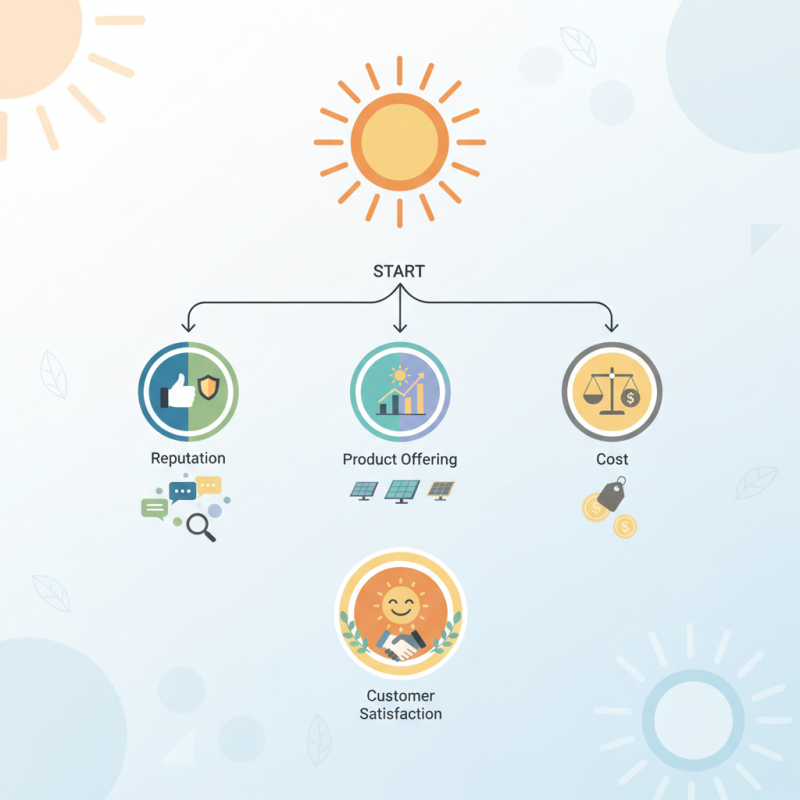
When selecting a solar panels supplier, consider their reputation. Research customer reviews and ask for recommendations. Look for a supplier with a solid history. It’s essential to evaluate their product offering as well. Different brands offer varying efficiency levels.
Cost is another critical factor. Cheaper is not always better. Sometimes, low prices come with low quality. Therefore, balance price and quality when making your choice. Trust your instincts, and remember that a reputable solar panels supplier will prioritize customer satisfaction.
Understanding Your Solar Energy Needs
When considering solar energy, understanding your specific needs is key. A recent report from the International Renewable Energy Agency (IRENA) indicates that residential solar systems can reduce electricity bills by up to 90%. This kind of savings highlights the importance of assessing your energy consumption before choosing a supplier.
It's crucial to ask questions. What are your daily energy needs? How much sunlight does your property receive? Many overlook shading from trees or buildings that can affect panel efficiency. Knowing these details will guide you in selecting the right system.
Tip: Look for suppliers who offer customized assessments. They should evaluate your property and energy use. This helps ensure you get a solution that’s tailored to you.
Be mindful that not all suppliers have the same expertise. Some may push products without considering your unique situation. Researching supplier reviews and their project history can help. An experienced supplier should present clear data on energy production estimates. This transparency is vital for making informed decisions.
Evaluating Supplier Experience and Reputation
When choosing a solar panel supplier, evaluating their experience and reputation is crucial. Experience often correlates with reliability. Gauge how long the supplier has been in the industry. A supplier with years of operation usually understands the market better. Check if they have managed various projects, both small and large. This can indicate their capability to handle different customer needs.
Reputation is equally important. Look for customer reviews and testimonials. These insights offer real feedback about the supplier's service quality. Positive reviews are a good sign, but be cautious of negative ones. Analyze what went wrong in those cases. Ask for references to speak with previous clients. Their experiences can highlight potential strengths or weaknesses of the supplier.
Additionally, consider certifications or industry awards. These accolades can hint at the supplier's commitment to quality. However, don’t get swayed solely by fancy certifications. Some may not reflect actual performance. It's vital to balance perceived prestige with tangible results. Clear communication with the supplier will reveal their approach to customer service, another sign of a reputable provider.
Top Tips for Choosing the Best Solar Panels Supplier
| Criteria | Details |
| Experience | Look for suppliers with at least 5 years in the solar industry. |
| Reputation | Check online reviews and ratings on independent platforms. |
| Certifications | Ensure the supplier holds relevant certifications (e.g., NABCEP). |
| Product Range | Consider suppliers with a diverse range of solar products. |
| Warranty Offer | Look for at least a 25-year warranty on solar panels. |
| Customer Support | Evaluate the quality of customer service and support offered. |
| Installation Services | Check if they provide installation services and their experience level. |
| Pricing Transparency | Ensure clear pricing with no hidden fees. |
| Local Experience | Assess their knowledge of local regulations and incentives. |
Comparing Product Quality and Warranty Options
When selecting a solar panel supplier, evaluating product quality and warranty options is crucial. Quality can greatly vary among suppliers. High efficiency and durability of solar panels matter. Panels that withstand extreme weather conditions tend to perform better over time.
One tip is to check the materials used. Look for high-quality silicone and sturdy frames. This contributes to longevity. Ask for performance data and certifications to ensure you’re getting reliable products.
Warranties can be quite revealing. A longer warranty indicates confidence in product durability. Look for at least a 25-year warranty for panels. Evaluate what the warranty covers. Some may exclude damages or certain environmental factors. Understanding the fine print can save you surprises later.
Comparison of Solar Panels Suppliers Based on Product Quality and Warranty
Assessing Customer Service and Support
When selecting a solar panel supplier, customer service and support play a crucial role. An insightful report by the Solar Energy Industries Association notes that over 50% of customers rank post-installation support as a primary factor in their satisfaction. This highlights the necessity for suppliers to offer comprehensive assistance beyond the initial purchase.
Good customer service means more than being friendly. It involves timely responses to inquiries and effective problem-solving. A study revealed that companies with robust support systems retain 25% more customers. Look for suppliers who provide clear communication channels. An easily accessible helpdesk can save you time and frustration. Forgetting to ask about warranty details could lead to issues down the road.
Understanding the nuances of solar installations is essential. Technical knowledge can vary significantly among suppliers. Your chosen partner should comprehend local regulations and grid requirements. An inexperienced support team can lead to project delays and unexpected costs. Be cautious—the cheapest option isn't always the best when it comes to reliable support. Ask for detailed responses to your questions before making a decision. Transparency is key in this industry.
Reviewing Pricing and Financing Alternatives
When exploring solar panel suppliers, pricing is a significant factor. Many companies offer different price ranges. Cheaper options can often lead to lower quality. It’s essential to find a balance between cost and efficiency. Compare quotes from various suppliers. Look closely at what’s included. Sometimes, a low upfront cost may hide additional fees in the long run.
Financing options are also crucial. Some suppliers provide flexible payment plans. Others might offer leasing options. Leasing can lower the initial costs, but it may not build equity. Interest rates can add to the total expenses too. Pay attention to terms and conditions. Reading the fine print is vital. A loan with a low rate might seem appealing but check for hidden costs.
Consider your budget and long-term savings. Solar energy can cut down utility bills significantly. However, the initial investment can be daunting. Reflect on your financial goals. Sometimes, spending a bit more upfront can save you money later. Evaluate how each supplier aligns with your vision. Make informed choices to ensure the best return for your investment.