
Choosing the right Carton Printing Machine is a production decision, not a simple equipment purchase. The machine must suit your carton board, ink system, folding requirements, order sizes, and quality targets. A press that runs at 18,000 sheets per hour may look impressive. However, frequent setup changes can reduce its real output.
Smithers’ report, The Future of Folding Cartons to 2028, identifies continued growth in folding carton demand, driven by e-commerce, food packaging, healthcare, and brand differentiation. Its analysis also highlights sustainability pressures, including lighter materials, reduced waste, and improved recycling performance. PMMI’s 2024 industry research similarly points to automation, digital connectivity, and labor efficiency as major packaging investment priorities. These findings matter on the factory floor. They affect drying time, registration accuracy, energy use, and operator workload.
Jean-Pascal Bobst, CEO of Bobst Group, has emphasized, “Packaging must be designed for the entire value chain.” That principle applies directly to machine selection. Consider the whole process. Inspect a printed sheet under normal lighting. Check whether small text remains sharp. Measure makeready waste after a short run. Ask operators how quickly they can clean the ink chamber.
Do not trust brochure speed alone. It is an incomplete measure. A digital press may reduce setup waste, while a flexographic or offset press may offer stronger economics for stable, high-volume work. The correct answer depends on evidence from your own orders. Even experienced buyers can overlook maintenance access, ventilation, software compatibility, or future substrate changes. A careful comparison should expose those weaknesses before the machine reaches your production floor.
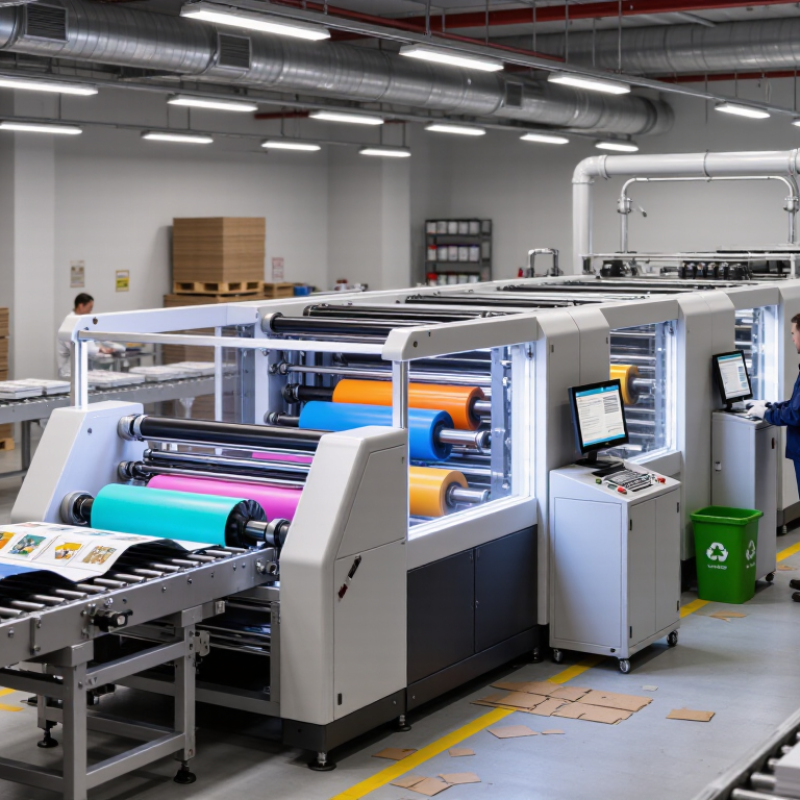
Before choosing a carton printing machine, define exact production goals. “We need a faster machine” is too vague. Measure weekly carton volume, peak orders, substrate thickness, print colors, and acceptable waste. Record setup times, drying delays, and rejected cartons. Small details matter. A narrow product range may favor quick changeovers, while custom orders require flexible tooling and simple job storage.
Review the cartons themselves. Note blank dimensions, flute profile, coating, folding direction, and registration tolerance. Ask operators to inspect real samples, not only technical specifications. In my experience, a machine that handles one test sheet may struggle during an eight-hour production run. Check feeder stability, print pressure adjustment, ink control, drying capacity, and cleaning access. Operators should reach service points without awkward lifting or unsafe stretching. That practical test often reveals more than a sales presentation.
Set measurable targets before comparing equipment. Define cartons per hour, first-pass quality, setup minutes, permitted waste, and planned working shifts. Include floor space, ventilation, power supply, training, spare parts, and maintenance skills. A larger machine can look impressive but remain underused. That is expensive. I once underestimated changeover time and overestimated daily demand; the machine met its speed rating but not our schedule. Recheck forecasts with seasonal data. Leave room for growth, but avoid buying capacity your orders cannot support.
Choosing a carton printing machine starts with the substrate, not the machine’s speed. Folding carton board usually suits offset printing because it delivers sharp type, smooth gradients, and accurate brand colors. The printed sheet is often laminated onto board, adding one production step. Flexographic printing works directly on corrugated material and handles absorbent liners efficiently. However, fine text may lose definition on rough fluting.
Digital printing is more adaptable for short runs, seasonal artwork, and variable codes. Smithers’ report, The Future of Digital Print for Packaging to 2028, forecasts the digital packaging market will grow from about 22 billion dollars in 2023 to more than 36 billion dollars by 2028. That growth reflects lower setup waste and faster artwork changes. Digital can still struggle with heavy ink coverage, board curl, and certain protective coatings. Speed is not everything.
Material testing matters. FEFCO statistics reported European corrugated production at roughly 49 billion square metres in 2023, showing how small efficiency gains can affect large production volumes. Ask suppliers to test your actual board caliper, flute profile, coating, and ink coverage. A bright sample can mislead. Check drying time, rub resistance, registration, and folding performance after printing. For long runs with stable designs, flexo or offset may reduce unit cost. For multiple designs or limited quantities, digital may reduce setup losses. The wrong choice is often made by comparing machines before comparing cartons.
How to Choose the Right Carton Printing Machine?
Machine performance should be measured with your actual carton board, not only showroom samples. Check running speed, uptime, setup time, and material waste during a practical trial. A machine that prints 8,000 sheets per hour may perform differently with thin board or complex designs. I once focused too heavily on maximum speed and underestimated changeover time. That mistake increased daily production delays. Record output after warm-up, during stable production, and near the end of a shift.
Accuracy protects both appearance and material costs. Examine color registration, print-to-cut alignment, ink coverage, and repeat consistency. Ask the supplier to test your artwork and board thickness. Measure several cartons from different parts of the run. Small shifts can become obvious on folding lines or barcode areas. Check whether sensors detect feeding errors and whether calibration remains stable after cleaning. Request documented tolerance levels, inspection methods, and maintenance intervals. Verifiable data matters more than confident sales claims.
Automation should reduce routine work without hiding important problems. Useful features include automatic feeder adjustment, digital job storage, waste monitoring, and clear fault alerts. Camera inspection can identify missing print, smearing, or registration errors before many cartons are wasted. However, automation is not always the best answer. Complex controls may slow an inexperienced operator. Test the interface with real workers, including cleaning and job changes. Review training materials, service response procedures, spare-part availability, and production records. A machine should be fast, accurate, and understandable on an ordinary Monday morning.
Evaluate machine performance, accuracy, and automation features using typical industry reference targets for carton production.
Higher output speed and automation scores support large production volumes, while lower setup time and registration error improve flexibility and print consistency. Actual results vary by substrate, carton format, ink system, and operating conditions.
A carton printing machine should fit your workflow, not disrupt it. Measure the carton sizes, board thickness, and daily production volume before comparing machine features. Check whether the feeder accepts your existing blanks without frequent manual adjustment. A machine that runs quickly may still create delays if operators must realign cartons every few minutes. Small details matter.
Leave practical space around the machine. Include room for loading materials, removing printed cartons, and opening service panels. Measure doorways, ceiling height, and nearby storage areas before delivery. Also check power requirements, ventilation, compressed air, and floor strength. I have seen layouts fail because maintenance access was treated as an afterthought. That mistake is expensive.
Maintenance planning deserves equal attention. Ask how often rollers, belts, printheads, and drying components need inspection. Confirm whether operators can clean key parts safely during a normal shift. Keep spare consumables organized near the machine, but away from dust and moisture. Simple service logs can reveal recurring faults early. Still, no plan is perfect. Production changes, and your maintenance schedule may need revision. Choose equipment with clear manuals, accessible components, and responsive technical support. Reliable operation depends on both machine design and disciplined daily habits.
How to Choose the Right Carton Printing Machine?
Assess Total Costs, Supplier Support, and Long-Term Value
A low purchase price can hide expensive operating habits. Compare ink usage, electricity demand, setup waste, and maintenance hours. Ask how many cartons the machine prints before quality declines. A slower machine may cost less over five years than a fast machine with frequent stoppages. Calculate the cost per sellable carton, not only the invoice price.
Supplier support strongly affects daily production. Confirm technician response times, spare-part availability, installation training, and operator documentation. Request a written service schedule. Ask whether remote troubleshooting is included. During factory evaluations, inspect actual maintenance access, not only printed samples. Tight spaces around rollers can turn a simple cleaning task into lost production.
Tips: Build a five-year cost sheet. Include labor, consumables, repairs, energy, and rejected cartons. Test your own board before signing. Samples can look excellent while hiding difficult setup changes.
I once focused too heavily on maximum speed. That decision created more waste than expected. The machine needed skilled adjustments during short production runs. A flexible system may deliver better long-term value, especially when carton sizes change often. Review training quality and upgrade options, too. A reliable supplier should explain limitations honestly, even when the answer risks losing a sale.