What are Colored Blind Rivets and Their Uses?
Colored Blind Rivets offer a unique solution in various construction and manufacturing applications. They combine functionality with aesthetics. Craftsmen value these rivets for their ability to securely fasten materials while introducing a splash of color. This feature can enhance visual appeal in many projects.
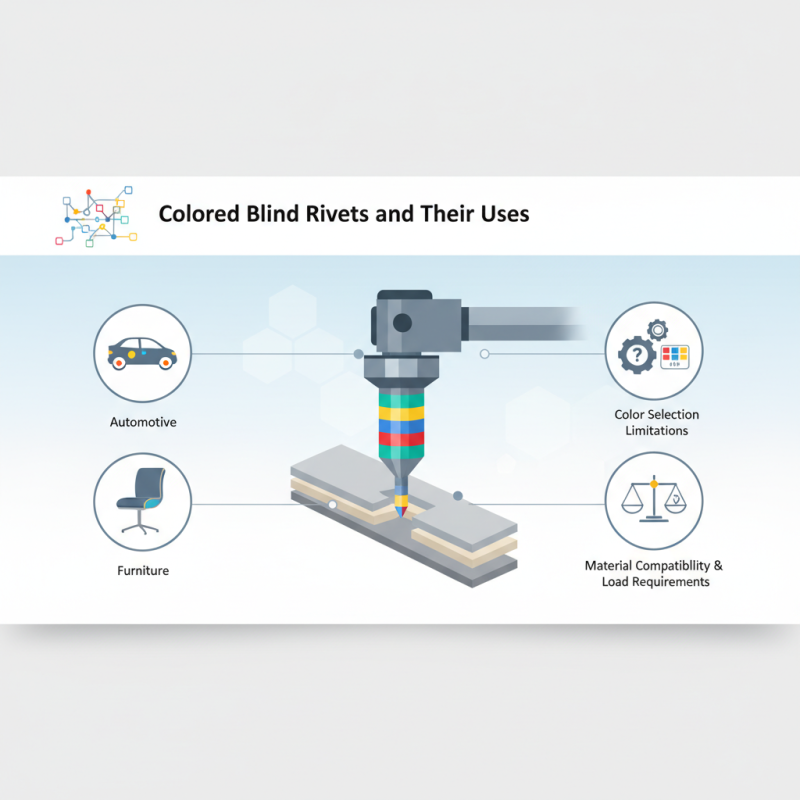
These rivets are often used in industries such as automotive and furniture. They can make designs stand out while providing strong joints. However, one must consider the limitations of Colored Blind Rivets. For instance, the selection of colors may not suit every project.
Choosing the right rivet type requires expertise. It is essential to understand material compatibility and load requirements. The application determines whether Colored Blind Rivets are suitable. Reflecting on these factors can lead to better outcomes in design and functionality.
Definition of Colored Blind Rivets and Their Characteristics
Colored blind rivets are specialized fastening solutions designed for various applications. These rivets are available in multiple colors, making them visually appealing and functional. They are particularly useful in projects where aesthetics matter, such as in furniture or decorative installations.
One of the key characteristics of colored blind rivets is their unique construction. They typically consist of a mandrel and a rivet body, allowing them to secure materials without needing access to the opposite side. This feature makes them ideal for blind applications. Besides their convenient installation process, colored blind rivets also provide corrosion resistance. This durability ensures that they maintain their appearance and functionality over time.
While using colored blind rivets can enhance a project’s design, they come with a few considerations. Finding the right color match can be challenging. The color options might not be as extensive as traditional rivets. Additionally, some users may struggle with the installation process, leading to potential time-consuming mistakes. Careful selection and application can minimize these issues, ensuring that the benefits of colored blind rivets are fully realized.
Types of Colored Blind Rivets and Their Specific Applications
Colored blind rivets offer practical solutions for various applications. They come in different types, each serving specific functions. One common type is the aluminum colored rivet, known for its lightweight and corrosion-resistant properties. These are ideal for automotive panels and other structures where aesthetics matter. Another example is plastic-colored rivets, often used in electronics and crafts, where insulation from electricity is vital.
Tips: Always choose rivets based on the material compatibility of your project. The wrong choice can lead to structural failure. Consider the environment where the rivets will be used. Some colors may fade over time when exposed to sunlight.
Steel-based colored rivets provide strength and durability for heavy-duty applications. They are frequently seen in construction and manufacturing. Using the right type of rivet can greatly affect the longevity and safety of your assembly. Be aware that color variations can also impact visibility and identification in complex projects.
Tips: Test the rivets in a controlled environment before full implementation. Keep track of temperature changes that may affect performance. Remember, aesthetics should not compromise functionality.
Comparison of Colored Blind Rivets to Traditional Rivets
Colored blind rivets are gaining popularity in various industries. They serve both functional and aesthetic purposes. Traditional rivets usually come in a standard metallic hue, making them less versatile for some applications. Colored blind rivets enable designers and engineers to blend connections with the surrounding material. They are often used in visible areas, enhancing the overall look of the project.
One of the main differences between colored blind rivets and traditional rivets lies in their application. Traditional rivets primarily focus on strength and durability. Some users overlook their appearance, leading to a less attractive finish. Colored blind rivets, however, provide a unique solution. They allow for seamless integration into brightly colored or textured surfaces. This can improve the attractiveness of a finished product.
It's important to note that while colored blind rivets offer visual benefits, they may compromise some of the strength that traditional rivets provide. Users should assess the necessary strength requirements for their projects. Balancing aesthetics and functionality is essential. Consider the environment where the rivets will be used. They may not hold up as well in harsh conditions. It's crucial to weigh these factors carefully before making a decision.
Advantages of Using Colored Blind Rivets in Construction and Design
Colored blind rivets are becoming popular in construction and design. Their vivid hues offer both aesthetic appeal and practical benefits. These rivets are ideal for projects where visual detail is essential. They allow for color matching or contrast with surrounding materials. This enhances the overall design while maintaining structural integrity.
The use of colored blind rivets can simplify projects. They provide immediate visual feedback during assembly. Workers can easily spot mistakes, reducing errors. This can enhance efficiency on job sites. The variety of colors available means they can complement or stand out from their environment.
One challenge can be color fading over time. Environmental factors may influence the lifespan of the colors. Regular assessments help ensure the desired aesthetic remains intact. Additionally, sourcing high-quality rivets is crucial for durability. While colored blind rivets are beneficial, careful consideration is needed for long-term success.
Installation Process and Tools for Colored Blind Rivets
Colored blind rivets are a practical choice for various applications. They offer a neat finish and can enhance the aesthetic appeal of projects. Understanding their installation process and the necessary tools is crucial for achieving optimal results.
The installation of colored blind rivets begins with the right tools. A rivet gun is essential, while a drill is often required for preparing holes. Make sure the rivets match the material being joined. Align the pieces correctly before inserting the rivet. When using a rivet gun, apply consistent pressure. This ensures the rivet expands properly within the materials, providing a secure hold.
**Tips:** Always practice on scrap materials first. This can improve your technique and prevent mistakes. Double-check your measurements to avoid misalignment.
When choosing colored blind rivets, color consistency is vital. Variations in shade can occur between batches. Also, ensure you select the correct size for the job. A study by the Fastener Quality Act suggests that improper sizing can lead to structural weaknesses in assemblies. Take your time during installation. Rushing can lead to improper setting, compromising the integrity of the joint.