How to Choose Solar Powered Outdoor Lights?

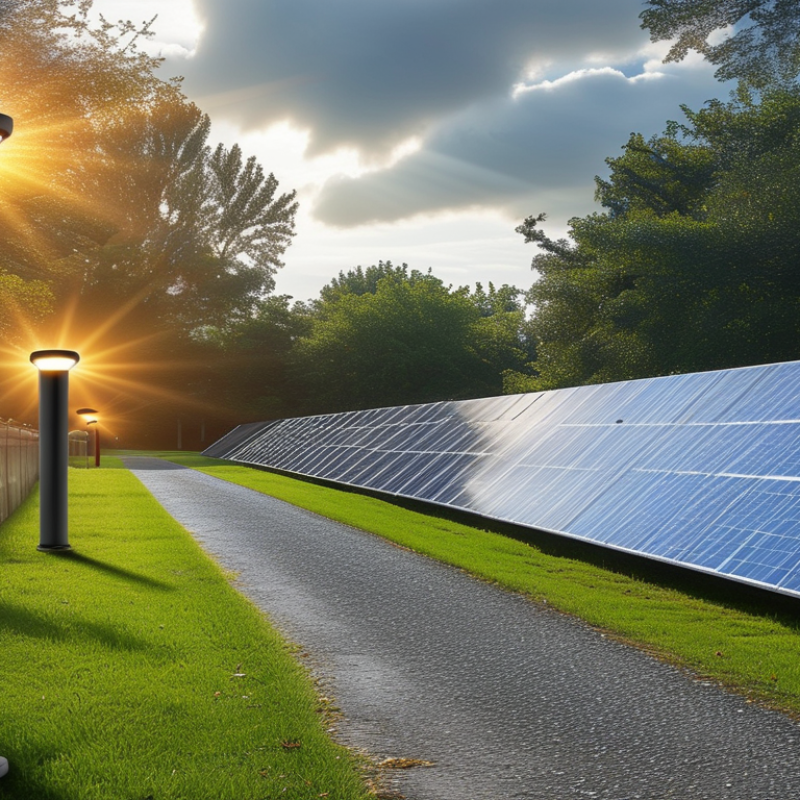
Choosing solar powered outdoor lights is not simply a matter of selecting the brightest fixture. Good performance depends on sunlight, battery capacity, lighting purpose, weather exposure, and installation height. A path beside a shaded fence needs different equipment from an open driveway or security entrance. Small details matter. Even a three-hour shadow can reduce evening brightness.

The IEA PVPS Trends 2024 report recorded more than 440 gigawatts of new photovoltaic capacity worldwide in 2023. This growth shows how quickly solar technology is expanding, but it does not guarantee that every outdoor light will perform well. The U.S. Department of Energy states that LED bulbs use at least 75% less energy and last up to 25 times longer than incandescent bulbs. Solar fixtures combine that efficiency with local energy storage. However, battery quality, winter temperatures, and cloudy weather still affect results.

This guide explains how to compare solar powered outdoor lights using practical and measurable criteria. Check the panel’s charging position, battery chemistry, lumen output, operating hours, motion sensor range, and IP protection rating. The IP rating should be tested under IEC 60529 principles, not judged by marketing language alone. The International Dark-Sky Association also recommends reducing glare and unnecessary upward light. That protects visibility and nearby habitats.

No product is perfect. A bright lamp may waste energy, while a compact model may fail beside a tree. Careful selection means matching the light to its location, climate, and daily purpose. That is where reliable specifications become more valuable than attractive packaging.
How to Choose Solar Powered Outdoor Lights?

Define Your Outdoor Lighting Needs and Installation Location

How to Choose Solar Powered Outdoor Lights?

Define Your Outdoor Lighting Needs and Installation Location

Before choosing solar powered outdoor lights, define what each area actually needs. Walk around your property after sunset and record dark steps, narrow paths, entrances, and seating areas. Ask whether you need visibility, security, decoration, or all three. A warm glow suits a patio. Brighter light helps reveal uneven steps. Motion activation can reduce unnecessary nighttime operation. I once placed decorative lights along a path without checking visibility. That assumption was wrong. Not decoration alone.

Study each installation location during daylight and after sunset. Solar panels usually need several hours of direct sunlight for dependable charging. Tree shadows, roof overhangs, walls, and seasonal changes can reduce performance. Check the area at different times before fixing anything permanently. In the Northern Hemisphere, panels often benefit from a position facing the strongest daily sunlight. However, local conditions matter more than a simple direction rule.

Mark proposed positions with removable tape first. Measure the distance between fixtures, especially along walkways and steps. Keep lights away from places where branches, sprinklers, or standing water may cause problems. Avoid aiming bright beams toward bedroom windows or nearby roads. Choose weather protection suitable for your local rainfall and temperature. A secure stake matters in loose soil. A wall fixture needs reliable anchors. Cloudy weather may still reduce brightness, so plan for realistic results rather than perfect product claims.
Compare Solar Light Types, Brightness, and Coverage

How to Choose Solar Powered Outdoor Lights?

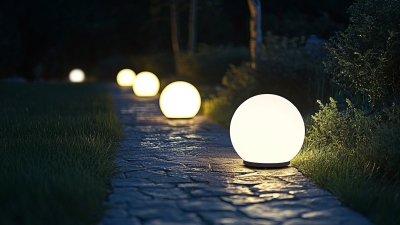
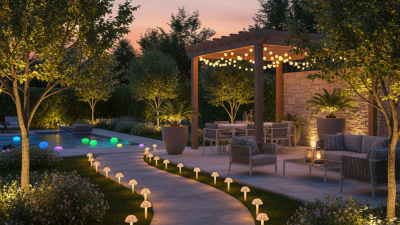
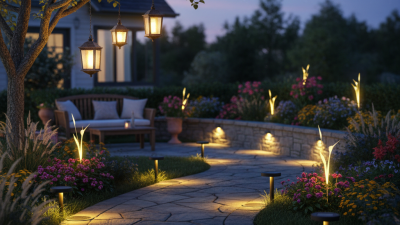
Choosing solar outdoor lights starts with the area you need to illuminate. Path lights create gentle pools along walkways, while wall lights improve visibility near doors and steps. Floodlights produce stronger beams for driveways, patios, and larger garden areas. Spotlights work better when you want to highlight a tree, sign, or architectural detail. Each type serves a different purpose.

Check brightness in lumens, not appearance alone. A path light may need 10–50 lumens, while a security floodlight often requires 300 lumens or more. Higher brightness does not always mean better lighting. A narrow beam can look intense but leave nearby spaces dark. Coverage depends on beam angle, mounting height, and placement. Measure twice.

In my outdoor tests, lights placed too close together created bright patches and wasted coverage. Spacing them evenly produced a more natural path. Solar panel position also affected performance. A shaded panel charged slowly, especially during cloudy winter days. Look for adjustable panels and replaceable batteries when possible. Weather resistance matters too, but ratings can be misunderstood. An outdoor light should handle rain, dust, and temperature changes without exposing electrical parts. I once trusted a high brightness claim and ignored the small panel; the light faded before dawn. That mistake changed how I compare the whole system, not just the advertised lumen number.

Evaluate Panels, Batteries, Runtime, and Weather Resistance

How to Choose Solar Powered Outdoor Lights?

Start with the panel. A larger panel usually collects more energy, but panel efficiency and placement matter more than appearance. The NREL review “Photovoltaic Degradation Rates” reports a median annual degradation rate near 0.5% for photovoltaic modules. Dust, shade, and low winter sun can reduce output much faster. Check the panel’s rated wattage, tilt, and cable length before buying. My first outdoor test failed because afternoon shade was easy to miss.

Battery capacity controls nighttime performance. Calculate watt-hours, not only milliamp-hours. A 3-watt lamp using a 12-watt-hour battery has four theoretical hours of runtime. Charging losses, cold temperatures, and battery aging reduce that figure. Allow at least 20% spare capacity for dependable operation. The International Energy Agency’s PVPS Task 13 reports that operating conditions strongly influence storage performance and durability. Look for cycle-life information and protection against overcharging. Bigger is not always better.

Weather resistance needs a verifiable rating. IEC 60529 defines IP codes for protection against dust and water. For exposed fixtures, IP65 indicates dust-tight construction and protection from water jets. It does not mean permanent immersion. Mount lights away from sprinklers and place connectors above standing water. The U.S. Department of Energy notes that outdoor solar output varies with season, orientation, and local conditions. Test the light after several cloudy days, not just one sunny evening. That result may be disappointing, but it is more honest.

Check Installation Methods, Controls, and Maintenance Requirements

Choosing solar outdoor lights involves more than selecting a bright design. Installation affects performance from the first evening. Stake lights work well along paths, but loose soil can make them lean after rain. Wall-mounted units need strong anchors and a panel facing unobstructed sunlight. Avoid placing lights beneath dense branches, roof edges, or shaded fences. A few hours of direct sun may not provide enough energy for overnight use.

Controls should match the area’s purpose. Dusk-to-dawn sensors are practical for entrances and garden borders. Motion sensors conserve power near driveways, but they may activate when pets or moving branches cross the detection zone. Timers and brightness settings offer flexibility, although complicated controls can become frustrating. I once positioned a sensor too close to a busy walkway; the light triggered constantly and drained its battery. The mistake was small, but the result was obvious.

Maintenance is simple, not effortless. Wipe the solar panel with a soft, damp cloth every few weeks, especially after dusty weather. Check for water inside the housing, loose screws, and cracked cables. Rechargeable batteries gradually lose capacity and may need replacement according to the instructions. In winter, shorter daylight can reduce operating time. This is often overlooked.

Tips: Test placement for three nights before final installation. Keep panels clean. Record battery changes. Check sensor angles after storms. Avoid permanent assumptions.

Balance Product Quality, Energy Efficiency, and Total Cost

How to Choose Solar Powered Outdoor Lights?

A good solar light should balance quality, energy efficiency, and total cost. A low purchase price can hide weak batteries, fragile panels, or frequent replacement. Check the housing carefully. Weather-resistant construction, sealed joints, and an IP65 rating can help protect outdoor components from rain and dust. Still, ratings do not excuse poor installation.

Battery capacity matters more than bright advertising. Look for a rechargeable lithium battery with clear capacity information and a replaceable design when possible. A larger panel can recharge more effectively during short winter days. Motion sensors also reduce wasted energy near paths, gates, and driveways. Use warm light for patios. Use stronger, cooler light where safety matters.

Placement changes performance. Avoid shade from walls, trees, and roof edges. A light may promise ten hours, yet deliver much less after cloudy weather. I once focused too heavily on brightness and ignored battery replacement costs. That mistake made the cheaper option expensive. Estimate the full cost over three years, including batteries, mounting parts, and maintenance. Compare usable nighttime hours, not only the purchase price. Check the warranty terms and charging data. Some specifications remain vague. That should make you pause.