Hurricane Battery Backup Tips for Reliable Power Solutions?
In the face of increasing natural disasters, ensuring reliable power solutions is paramount. Hurricane Battery Backup systems have emerged as a crucial component for households and businesses alike. As energy expert Dr. Linda Carr states, "Preparing for power outages means investing in solutions that can withstand nature's fury."
When hurricanes strike, power outages can last days. Having a dependable backup system is essential for maintaining safety and comfort. These battery backup systems provide electricity during blackouts, ensuring lights stay on and vital appliances function. The right setup can mean the difference between chaos and calm.
Yet, many overlook the importance of proper planning and maintenance for their Hurricane Battery Backup systems. Regular checks and timely upgrades are necessary for peak performance. Remember, no solution is perfect. Each setup has its quirks and limitations. Evaluating those can lead to better preparedness when the next storm approaches.
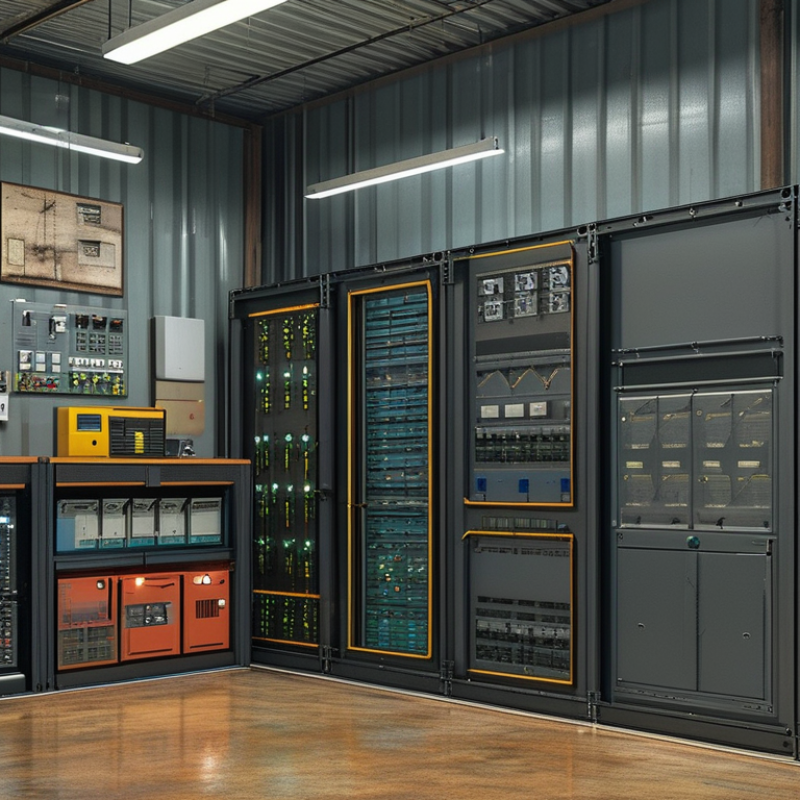
Understanding the Importance of Battery Backup During Hurricanes
Hurricanes pose a significant threat to power stability. In 2022, nearly 4 million households experienced power outages due to these storms. Battery backup systems can be a lifeline during such emergencies. With the right setup, you can maintain essential appliances and communication devices, ensuring safety and comfort.
Consider these tips for reliable battery backup. First, assess your power needs. Identify which devices are crucial during a hurricane, like refrigerators, medical equipment, or cell phone chargers. Next, choose a battery system with sufficient capacity. The average residential lithium-ion battery can store enough power for essential devices for several hours.
Regular maintenance is key for your battery backup system. Check your batteries periodically to ensure they hold their charge and function correctly. Data from the U.S. Energy Information Administration shows that an installed backup system reduces downtime significantly, providing peace of mind when the storm approaches. Long-term planning and proper system care can make all the difference, helping you navigate the unpredictability of hurricane season.
Types of Battery Backup Systems for Hurricane Preparedness
When preparing for hurricane season, selecting the right battery backup system is crucial. There are several types of systems available. Each has its advantages and disadvantages. Understanding these can help you make an informed choice.
A common option is the lead-acid battery system. This type is affordable and widely used. However, it requires regular maintenance, and its lifespan can be shorter than other options. Moreover, lead-acid batteries may not provide enough power for long outages.
Lithium-ion systems are another choice. They have a higher energy density, allowing for lighter and more compact solutions. They also lifespan significantly longer than lead-acid options. However, their initial cost can be quite high. It's essential to weigh these pros and cons to find the best fit for your needs. Preparing adequately can greatly reduce stress when a hurricane approaches.
Factors to Consider When Choosing a Battery Backup Solution
When selecting a battery backup solution for hurricanes, several critical factors come into play. Firstly, the capacity of the battery should be assessed. According to industry reports, many homes require at least 10 kilowatt-hours (kWh) of energy to maintain essential appliances during an outage. Understanding your energy needs helps in choosing the right size. Consider how long you want the backup to last. Shorter durations require less capacity, while longer ones need more substantial systems.
Additionally, battery technology matters. Lithium-ion batteries are popular due to their longevity and efficiency. They can last for several years, with a cycle life often exceeding 3,500 cycles. In contrast, lead-acid batteries typically last fewer than 1,000 cycles. This difference can significantly impact long-term costs.
**Tip:** Keep an eye on maintenance requirements. Some batteries require regular checks, while others are virtually maintenance-free.
Another factor to weigh is the type of inverter needed. An inverter converts stored energy into usable power. Pure sine wave inverters are more efficient but come at a higher cost. However, cheaper options may not support sensitive electronics.
**Tip:** Always read customer reviews and seek professional opinions. Real-world experiences can highlight hidden pitfalls.
Hurricane Battery Backup Tips for Reliable Power Solutions
| Feature | Description | Considerations |
| Battery Capacity | Measured in Amp-hours (Ah), indicates how long the battery can power devices. | Choose a capacity that meets your power needs for the expected outage duration. |
| Type of Battery | Choices include Lead-Acid, Lithium-Ion, and Gel batteries, each with unique characteristics. | Evaluate lifespan, efficiency, and cost to determine the best type for your needs. |
| Inverter Size | The inverter converts DC to AC power; size should match or exceed your load requirements. | Calculate the total wattage of devices you plan to use during an outage. |
| Portability | Refers to how easily the battery backup can be moved or transported. | Consider your environment and if you may need to relocate the backup system. |
| Charging Options | Includes solar, AC, or vehicle charging methods available for the battery. | Opt for a solution that allows for flexible charging sources, especially in emergencies. |
| Maintenance Requirements | Some batteries require regular checks and maintenance to ensure reliability. | Choose a system with manageable maintenance that fits your lifestyle. |
Installation and Maintenance Tips for Optimal Performance
When preparing for hurricanes, having a reliable battery backup system is crucial. Proper installation can greatly enhance performance during storms. Begin by selecting a location that is dry and easily accessible. Consider factors like airflow and temperature control. Mount the system securely to prevent damage from strong winds.
Regular maintenance is essential for optimal functionality. Check the battery levels at least once a month. Dust and debris can accumulate, so clean the terminals frequently to prevent corrosion. Update your knowledge about the battery technology used. This helps in understanding lifespan and replacement schedules.
Don't overlook safety measures. Inspect all wiring connections for wear and tear. Replace any frayed wires immediately. It’s wise to create a maintenance log. This can track your inspections and any issues over time. These practices ensure a reliable power supply during and after hurricane events.
Hurricane Battery Backup Performance Analysis
This chart displays critical performance metrics for hurricane battery backup systems, including battery capacity, recharge time, runtime, and maintenance frequency. Ensuring optimal conditions in these areas helps maximize reliability during power outages.
Testing and Preparing Your Battery Backup Ahead of Hurricane Season
As hurricane season approaches, ensuring your battery backup system is ready is crucial. Start by testing your system. Make sure it charges fully and discharges correctly. Disconnect it from the grid and allow it to run for a few hours. This will help you gauge its performance under load. Monitoring the battery health can reveal issues that need addressing before a storm strikes.
More than just testing, proper maintenance is vital. Clean the battery terminals to prevent corrosion. Check connections for any signs of wear or damage. If your setup includes solar panels, ensure they are clean and unobstructed. Prepare an inventory of necessary supplies, such as extra cables or a charging station. Having a plan can save you from unexpected power outages.
Don't forget to reevaluate your system after use. If it didn't hold up as expected, consider whether you need a larger battery or additional units. A detailed review can lead to better preparedness for the future. Time spent now preparing your battery backup will pay off when you need reliable power.