How to Install and Use Color Changing Lights Effectively?
Color-Changing Lights have become a popular choice for home décor and atmosphere enhancement. Their ability to shift colors creates dynamic environments. Whether for a party, relaxation, or simply adding flair, these lights hold great potential. However, effectively using them requires a little thought.
Choosing the right location is crucial. Color-Changing Lights should be installed where their full impact can be appreciated. Consider brightening a dim corner or enhancing outdoor spaces. Yet, many overlook this aspect. They may place lights arbitrarily, missing out on their true benefits. Testing various placements can lead to surprising results.
Additionally, matching colors to moods is essential. For instance, blue light may promote calmness, while red may energize. Not everyone knows how to achieve this balance. Exploring different hues at different times can be a trial-and-error process. Ultimately, with a little effort, everyone can master the art of using Color-Changing Lights effectively.
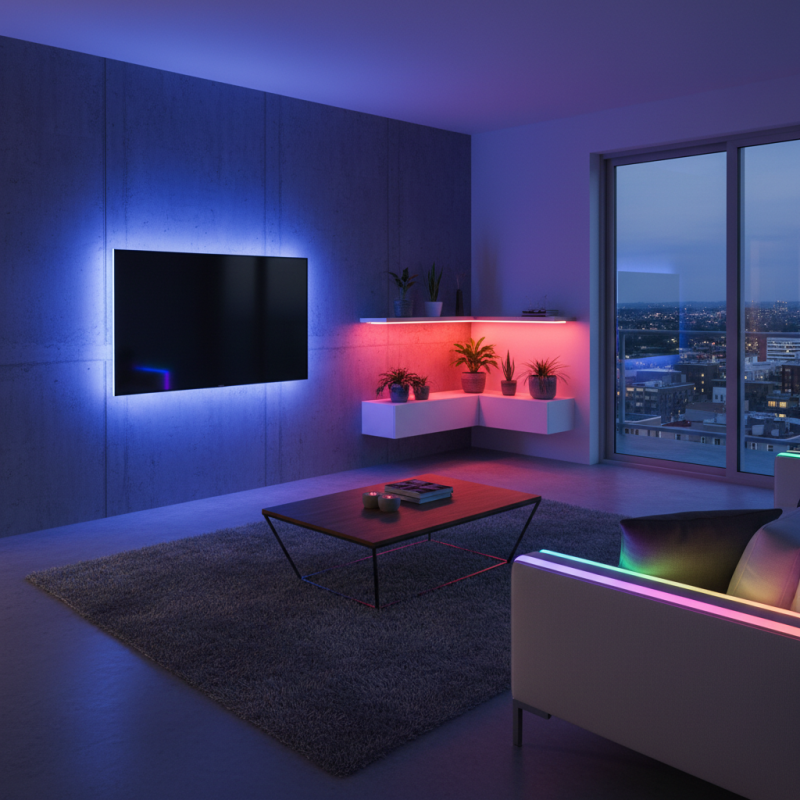
Choosing the Right Color Changing Lights for Your Space
Choosing the right color changing lights can transform your space. Consider the atmosphere you want to create. Warm colors like red and orange offer a cozy feel. Cooler tones such as blue and green promote relaxation. Experiment with different combinations to see what suits you best.
When selecting lights, think about the room size. Larger spaces may need multiple fixtures to achieve desired effects. Small rooms can benefit from a single, vibrant display. Pay attention to brightness levels. Too much light can feel harsh, while too little can be underwhelming.
**Tips:** Test lights in your space before making the final decision. Observe how colors look at different times of the day. Don’t forget about the bulb’s energy efficiency. It matters in the long run. Keep in mind that different materials reflect light differently. A room with many flat surfaces can distort colors. Be ready to rethink your choices. Always ensure your lights are compatible with your existing setup. Sometimes, what looks good in the store may not work at home.
Color Changing Lights Usage Across Different Spaces
Understanding Different Types of Color Changing Lights
Color-changing lights can enhance the ambiance of any space. Understanding the different types available is crucial for effective use. The most common types are LED, RGB, and smart lights. According to industry reports, LED lights are highly efficient, using up to 80% less energy than traditional bulbs. This efficiency makes them popular, especially in homes and commercial spaces.
RGB lights provide vibrant color options. They allow users to create custom color combinations. These lights often come with remotes or smartphone apps for easy control. Smart lights add another layer of convenience. They can be integrated with home automation systems, enabling users to change colors with voice commands. However, integrating smart lights can sometimes be tricky and may require technical understanding.
Tip: Consider the size of the space when choosing lights. Larger rooms may need more powerful lighting options to create the desired effect. Another point to ponder is the placement of lights. Improper placement can diminish their color impact. Always experiment with different angles and positions for better results. Not every option works in every setting, so trial and error is vital.
Step-by-Step Installation of Color Changing Lights
Installing color changing lights can dramatically enhance your space. To begin the installation, gather all necessary tools and materials. You’ll need the lights, a controller, and basic installation tools like a screwdriver. According to a recent lighting industry report, 65% of homeowners prefer color changing lights for ambiance.
Start by selecting your desired location. Ensure it has access to an electrical outlet. Attach the mounting brackets securely. Prioritize safety; always switch off the power before starting any electrical work. Connect the lights according to the manufacturer’s instructions. This step often frustrates beginners, as wiring mistakes can lead to malfunction.
Once installed, test the lights to ensure they work. Use the controller to explore different colors and settings. Some users report difficulty adjusting the settings to achieve the desired effect. If issues arise, review your connections and the controller setup. Remember, practice makes perfect. The right lighting can transform a dull room into a vibrant space, adding warmth and personality.
Effective Techniques for Utilizing Color Changing Lights
Color changing lights can transform any space into an inviting atmosphere. However, using them effectively requires strategic planning and execution. According to a recent industry report, up to 80% of consumers feel that lighting is a key factor in setting the mood. This statistic highlights the importance of choosing the right colors and settings.
Tips for effective use: Start with a color palette that complements your existing decor. For example, cool blues can evoke calmness, while warm reds stimulate energy. Consider both the time of day and the occasion when changing colors. This adaptability helps maintain engagement and enhances overall ambiance.
Experimentation is essential. It’s common to struggle when deciding which combinations work best. Take time to test various settings in different spaces before settling on a final scheme. Remember, lighting can significantly alter perception. A poorly chosen hue may create an uncomfortable feeling. In contrast, a well-planned color transition can uplift moods and inspire creativity. Adjust your approach based on direct feedback from those experiencing the space.
Maintaining and Troubleshooting Color Changing Lighting Systems
Maintaining color changing lighting systems requires regular inspection. Check for any flickering lights or color inconsistencies. These can indicate a loose connection or a faulty bulb. Make sure to toggle through the color settings occasionally. This helps identify any malfunctioning modes that may not respond properly.
Troubleshooting these systems can be tricky. If a light is unresponsive, power cycling it can sometimes resolve the issue. Unplug the unit for a minute, then plug it back in. If problems persist, examine the wiring closely. Look for signs of wear or damage. It may be worthwhile to replace old cables.
Cleaning is another important aspect. Dust and grime can affect the performance. A soft cloth can help maintain the surface and improve light quality. When dealing with color changing lights, embracing imperfections is part of the process. Sometimes, expected colors might appear differently. This can lead to reflecting on your setup. Adjust the placement or explore new color combinations for a refreshed experience.
How to Install and Use Color Changing Lights Effectively?
| Aspect | Details |
| Installation Location | Choose areas with suitable mounting surfaces like walls or ceilings. Avoid direct exposure to water. |
| Power Supply | Ensure proper voltage and wattage according to light specifications. Use a power adapter if necessary. |
| Control Method | Use remote control, smartphone app, or wall switch for color selection and brightness adjustment. |
| Troubleshooting Tips | Check for proper connections, reset the system, replace defective bulbs, and ensure no damaged wires. |
| Maintenance Frequency | Perform regular checks every 3-6 months to ensure functionality and cleanliness of light fixtures. |
| Color Effects | Explore different color settings for various moods, including soft white for relaxation and vibrant colors for parties. |