What is a solar container and how does it work?
The rise of solar energy technologies has led to innovative solutions, one of which is the solar container. A solar container is a portable system that harnesses solar power to provide electricity for various applications. This approach is revolutionizing on-site energy generation, especially in remote locations. According to a recent report by the International Energy Agency, solar energy capacity is expected to quadruple by 2025. This indicates a growing reliance on sustainable and flexible power sources like the solar container.
Expert James Adler, a leading voice in renewable energy, emphasizes, "solar containers shape the future of energy access." These units are equipped with solar panels and batteries, allowing for easy transport and deployment. Although the technology is promising, challenges remain. Issues surrounding initial costs, installation complexities, and efficiency under varying weather conditions need further evaluation. As companies and communities adopt solar containers, it’s essential to acknowledge both their potential and current limitations.
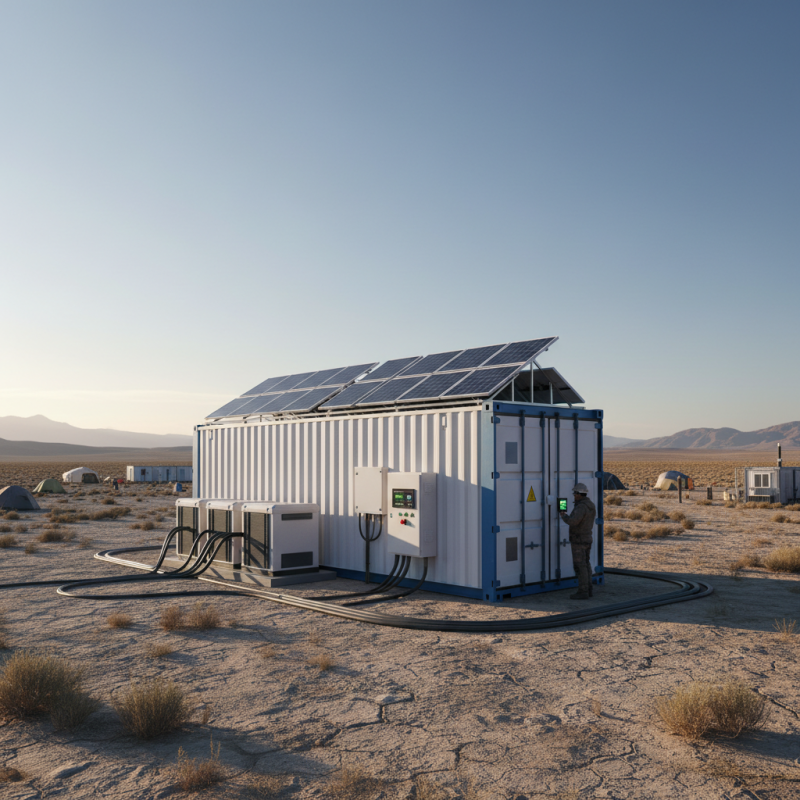
What is a Solar Container and Its Primary Functions?
A solar container is an innovative solution for harnessing solar energy. It typically consists of a shipping container outfitted with solar panels. These containers can be easily transported and deployed, making them ideal for remote locations. Inside the container, there may be batteries, inverters, and additional equipment for energy conversion and storage. This setup allows users to generate, store, and utilize clean energy efficiently.
One primary function of a solar container is to provide electricity in off-grid areas. For example, in disaster relief situations, these containers can supply power to emergency services and shelters. Additionally, they serve as mobile power stations for outdoor events or construction sites. The versatility of solar containers is remarkable. However, they do carry some limitations. Weather conditions can affect energy production. Moreover, the efficiency of solar panels may decline over time. Users need to maintain the system to ensure optimal performance.
The Technology Behind Solar Containers: Key Components Explained
Solar containers are innovative solutions designed to harness solar energy efficiently. They typically consist of several key components. First, photovoltaic panels convert sunlight into electricity. These panels can vary in efficiency, with high-quality models reaching up to 22%. This produces more electricity for various applications.
Next, the container houses energy storage systems, often lithium-ion batteries. These batteries store excess energy generated during sunny periods. They can provide power even when the sun isn’t shining. According to a recent report by the International Renewable Energy Agency (IRENA), battery storage costs have decreased by about 70% since 2010, improving the feasibility of solar containers.
The integration of smart technology also enhances their functionality. This allows for real-time monitoring and remote control of energy flow. Users can track production and consumption patterns easily. Yet, challenges remain. Not all regions receive adequate sunlight year-round, limiting effectiveness in some areas. Understanding these limitations is crucial when implementing solar solutions.
Efficiency Metrics of Solar Containers Compared to Traditional Systems
Solar containers are innovative systems designed to harness solar energy efficiently. They are compact and modular, making them flexible for various applications. These containers integrate solar panels and energy storage, allowing for on-demand power. Their design emphasizes mobility and ease of deployment, which is vital in remote areas.
When comparing solar containers to traditional solar systems, several efficiency metrics emerge. Solar containers typically have higher energy conversion rates. They utilize advanced photovoltaic technology, capturing sunlight better, even in low light. Yet, they are limited by size. Their compact nature can restrict the amount of energy they generate compared to larger, fixed systems. This trade-off can pose challenges for high-demand applications.
Moreover, installation time plays a crucial role. Solar containers can be operational within hours, while traditional setups may require weeks. However, the initial cost can be a concern. High-quality materials and advanced tech may drive prices up. It prompts questions about long-term savings versus short-term investment. Overall, while solar containers boast unique efficiencies, they also require careful consideration for specific energy needs.
Efficiency Metrics of Solar Containers Compared to Traditional Systems
This chart compares the average efficiency of solar containers and traditional solar systems, highlighting the superior performance of solar containers.
Applications of Solar Containers in Various Industries and Sectors
Solar containers are revolutionizing energy solutions across multiple sectors. These innovative units harness solar power to provide clean energy and versatile applications. They are especially useful in remote areas where electricity access is limited. For instance, they can produce power for disaster relief efforts, allowing communities to restore basic services quickly.
In the agricultural sector, solar containers can power irrigation systems inexpensively. Farmers can operate water pumps to maintain crops and enhance yields. Additionally, they can serve as mobile storage units for tools and produce. This dual functionality helps maximize resource use.
However, the implementation of solar containers is not without challenges. The initial setup costs can be high for some communities. There may also be a learning curve in operating and maintaining these systems. Addressing these obstacles is crucial for their broader adoption. As industries experiment with solar containers, feedback becomes vital for future adjustments and improvements.
What is a solar container and how does it work? - Applications of Solar Containers in Various Industries and Sectors
| Industry/Sector | Application | Benefits | Challenges |
| Construction | Providing off-grid power to construction sites | Reduces reliance on diesel generators | Initial setup costs |
| Agriculture | Irrigation and farm operations | Sustainable energy source for remote areas | Seasonal variability in solar energy production |
| Healthcare | Powering medical equipment in remote clinics | Improved access to healthcare services | Maintenance of solar components |
| Disaster Relief | Temporary energy solutions post-disaster | Rapid deployment and ease of transport | Infrastructure challenges in damaged areas |
| Telecommunications | Powering remote communication towers | Reliable energy source for connectivity | Potential for energy storage limitations |
Future Trends and Innovations in Solar Container Technology
Solar containers are transforming how we harness solar energy. These mobile solutions integrate solar panels into shipping containers. They are particularly useful in remote locations, delivering power where traditional infrastructure is lacking. The International Renewable Energy Agency (IRENA) estimates that solar energy capacity could grow by over 55% by 2025. This trend fuels innovations in solar container technology.
Future innovations focus on enhancing efficiency and ease of use. Advanced solar cells are being developed, which could increase energy conversion rates. New energy storage systems, such as lithium-sulfur batteries, show promise for better performance. Research suggests that smart monitoring systems can optimize energy use in real time. Despite these advances, challenges remain. The recycling of solar panels and containers poses a significant environmental concern.
Moreover, the initial cost of implementing solar containers can be high. Many projects face budget constraints and may lack long-term funding. According to a report from the Global Renewable Energy Coalition, investment continues to lag in many regions. Addressing these issues will be crucial for the industry's future. There is a need for greater collaboration between stakeholders to ensure the sustainability of solar container technology.