What is Solar Lights and How They Benefit Your Home?
Solar lights have emerged as a popular choice for homeowners looking to enhance their outdoor spaces. According to Sarah Johnson, a leading expert in solar energy solutions, “Solar lights not only save money but also promote a sustainable lifestyle.” This statement highlights the growing recognition of solar lights as a practical and environmentally friendly option.
These innovative lights harness sunlight, converting it into energy for illumination. As dusk falls, they automatically light up gardens, pathways, and patios, creating a warm and inviting atmosphere. With the ability to reduce electricity bills, solar lights are not just cost-effective but also contribute to reducing one's carbon footprint. The ease of installation adds to their appeal; no wiring is necessary, making them accessible to many homeowners.
However, it's essential to understand that solar lights come with limitations. Their brightness and performance can vary based on solar panel quality and sunlight exposure. Investing in high-quality products ensures better efficiency. Taking these factors into account will help homeowners make informed choices about solar lights, ultimately enhancing their outdoor living spaces while embracing renewable energy solutions.

Definition and Types of Solar Lights
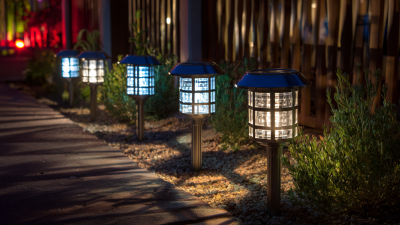
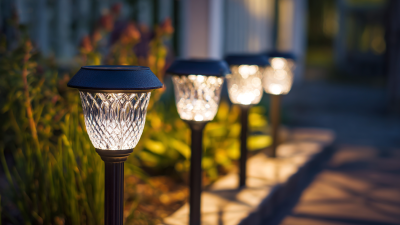
Solar lights are a sustainable and innovative lighting solution for homes. They harness sunlight to generate electricity, providing an eco-friendly alternative to traditional lighting systems. There are various types of solar lights available, catering to different needs and preferences. For instance, solar garden lights serve to illuminate pathways and enhance landscaping. Solar flood lights can provide security and safety by brightly lighting driveways and backyards. According to the Solar Energy Industries Association, the use of solar lighting has increased by 25% annually in recent years.
Another popular type is solar string lights, often used for events or outdoor gatherings. These lights create an inviting atmosphere while reducing energy costs. Some solar lights even come with motion sensors, which can save energy by activating only when movement is detected. However, not all solar products are created equal. The efficiency of solar panels and battery size can vary significantly, affecting overall performance. Consumer reports indicate that homeowners should evaluate these factors before purchasing solar lights to ensure they meet their expectations.
Despite the advantages, solar lights can have limitations. Their performance is highly dependent on sunlight availability. In cloudy regions or during winter months, they may not deliver the expected brightness. Additionally, the initial investment cost can deter some homeowners. While solar lights are generally low maintenance, the battery replacement may occur every few years. Understanding these aspects can help homeowners make more informed decisions on integrating solar lighting into their homes.
How Solar Lights Work: The Technology Behind Them
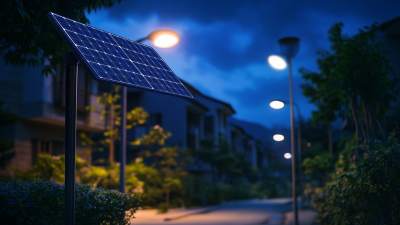
Solar lights are an innovation in home lighting, combining convenience and technology. At their core, solar lights utilize photovoltaic cells to convert sunlight into energy. This energy charges internal batteries, allowing the lights to illuminate at night. According to the U.S. Department of Energy, solar lighting systems can provide significant energy savings of up to 75% compared to traditional outdoor lighting.
The efficiency of solar lights depends on their components. High-quality solar panels can generate more electricity, while LED bulbs require less energy. For example, a 10-watt solar panel can typically produce about 1,300-2,000 lumens. This makes them a great option for gardens and pathways. However, environmental factors like shade can reduce performance, so proper installation is crucial.
Consider these points: Ensure the solar panels receive direct sunlight for most of the day. It's also wise to clean the panel surface regularly for optimal efficiency. Remember, while solar lights are a cost-effective solution, their initial investment may cause hesitation. Balancing upfront costs with long-term savings requires careful thought, but many homeowners find the benefits outweigh the challenges.
Advantages of Using Solar Lights for Home Illumination
Solar lights are an innovative option for home illumination. They harness energy from the sun, converting it into light when darkness falls. This setup can lead to significant savings on electricity bills. Homeowners can enjoy well-lit pathways and gardens without relying on traditional power sources.
Using solar lights has several advantages. They are easy to install and require minimal maintenance. These lights are generally weather-resistant and can withstand varying conditions. Investing in solar lights can enhance your home’s aesthetic appeal while promoting sustainability.
There are challenges to consider. Solar lights may not provide as much brightness as conventional lights. The performance can vary based on geographical location and sunlight availability. It’s important to reflect on your specific lighting needs before making a decision. Overall, weighing these pros and cons carefully helps you choose the best option for your home.
Advantages of Using Solar Lights for Home Illumination
Environmental Impact of Solar Lighting Solutions
Solar lighting solutions have gained widespread popularity due to their environmental benefits. According to the National Renewable Energy Laboratory, solar lights can reduce greenhouse gas emissions by up to 80% compared to traditional lighting methods. This shift to renewable energy sources is essential for combating climate change.
Moreover, solar lights help reduce energy consumption. The U.S. Department of Energy reports that outdoor lighting accounts for about 30% of total electricity usage. By utilizing solar power, homes can cut down on their energy bills. Yet, it’s important to acknowledge the initial costs associated with installing solar lighting systems.
Another consideration is the lifecycle of solar lights. While many products have improved durability, not all options are created equal. The recycling of solar components is still in its infancy, which raises concerns about waste. Overall, solar lights present a promising step toward sustainable living, but consumers should remain aware of their environmental impact throughout their lifespan.
Tips for Choosing and Installing Solar Lights at Home
Choosing the right solar lights for your home involves understanding your needs and the options available. Look for lights with a minimum of 100 lumens for adequate brightness. According to the Solar Energy Industries Association, the efficiency of solar lights increases by about 25% with lithium-ion batteries. These batteries offer better energy storage compared to traditional ones, allowing for longer nighttime illumination.
Installation is as crucial as selection. Place solar lights in areas that receive at least six hours of sunlight daily. This ensures optimal charging. It’s vital to avoid shaded locations, as this can reduce light efficiency. Consider using stakes for easy installation in gardens or walkways. Some ground-mounted lights require minimal digging.
While solar lights are often marketed as maintenance-free, occasional cleaning is essential. Dust and debris can hinder performance. Aim to clean the solar panels every few months to maintain efficiency. If your lights flicker or dim, this could indicate a problem with the battery or solar panel positioning. Regular monitoring will help ensure longer lifespans for your solar lighting system.