What is a solar street lamp and how does it work?
As cities strive for sustainable solutions, the solar street lamp stands out. This innovation reflects the shift towards green energy. Dr. Emily Green, a leading expert in renewable energy, once said, "Solar street lamps are a vital step in making our urban landscapes more sustainable."
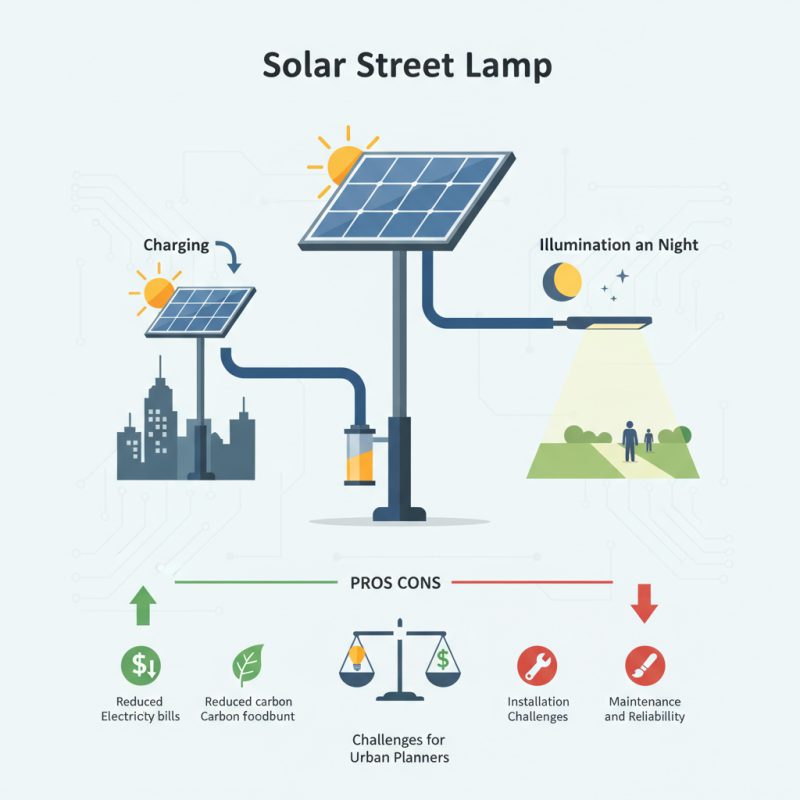
Solar street lamps harness sunlight to provide illumination at night. They consist of solar panels, LED lights, and a battery system. This technology not only reduces electricity bills but also minimizes carbon footprints. However, the installation process can be inefficient in some areas, and not all designs meet local lighting standards.
The impact of solar street lamps extends beyond energy savings. They enhance safety and visibility in public spaces. Yet, some communities struggle to maintain them, raising questions about long-term reliability. Balancing cost, performance, and aesthetics remains a challenge for many urban planners. The future of solar street lamps hinges on addressing these issues effectively.
Definition and Components of Solar Street Lamps
Solar street lamps are an innovative, sustainable lighting solution. They harness solar energy to illuminate public spaces. Each lamp typically consists of three main components: solar panels, batteries, and LED lights. These components work together to ensure reliable performance, even during cloudy days or at night.
The solar panels collect sunlight during the day, converting it into electricity. This process is guided by the photovoltaic effect. A reputable study by the Solar Energy Industries Association (SEIA) shows that solar technology is advancing rapidly. The efficiency of solar panels has improved significantly, reaching around 22% in recent models. The stored energy is kept in batteries, which can range from 20 to 200 Amp-hours, depending on the lamp’s wattage and usage requirements.
LED lights provide bright, efficient illumination. They consume less energy compared to traditional bulbs. This can lead to reduced energy costs by up to 75% according to the Department of Energy. Despite their benefits, improper positioning and maintenance can limit effectiveness. Regular checks on battery health and panel alignment are crucial. Without these, solar street lamps may not achieve their full potential.
How Solar Street Lamps Generate and Store Energy
Solar street lamps are innovative solutions for urban lighting. They harness solar energy during the day and convert it into electrical power. Each lamp typically consists of solar panels, LED lights, and a battery system. The solar panels absorb sunlight, generating electricity. According to a 2021 report by the International Renewable Energy Agency (IRENA), energy from solar sources can reduce electricity costs by up to 80% for city municipalities.
Solar street lamps store energy in batteries. These batteries power the lamps at night. Most commonly, Lithium-ion batteries are used, offering high efficiency and a longer lifespan. The energy storage capacity is crucial. A street lamp may require 40 to 60 watts nightly. As urban areas expand, cities need reliable, cost-effective energy solutions. The average lifespan of solar street lamps is around 7 to 10 years, but battery degradation can affect performance.
However, solar street lamps have limitations. They depend on weather conditions. Overcast days can reduce energy generation significantly. Maintenance can also be an issue. Dust accumulation on solar panels affects efficiency. Reports indicate that poor maintenance can lead to 20-30% performance loss. Addressing these challenges requires ongoing investment and awareness. Balancing energy efficiency with environmental impact remains a critical focus.
Functioning Mechanism of Solar Street Lamps during Nighttime
Solar street lamps are innovative lighting solutions that harness the power of sunlight. During the daytime, their solar panels absorb sunlight and convert it into electrical energy. This energy is stored in rechargeable batteries. The stored energy is then used to power the street lamps during the night.
At nighttime, the functioning mechanism of these lamps relies on a few key components. The system detects the onset of darkness through a light sensor. Once the sensor identifies low light levels, it activates the LED bulbs, illuminating the area. The LED technology ensures bright, efficient lighting while consuming minimal energy from the batteries.
However, there are challenges to consider. Extended cloudy days can limit solar energy capture. This may lead to decreased performance when needed most. Moreover, battery lifespan can vary, requiring replacement after a few years. These factors must be evaluated to ensure reliable nighttime performance. Regular maintenance is essential to prolong the lamps' life and efficiency.
Energy Consumption of Solar Street Lamps at Night
This chart represents the energy consumption of solar street lamps over a period of five weeks. Each week shows the total energy consumed in kilowatt-hours (kWh).
Advantages of Using Solar Street Lamps in Urban Areas
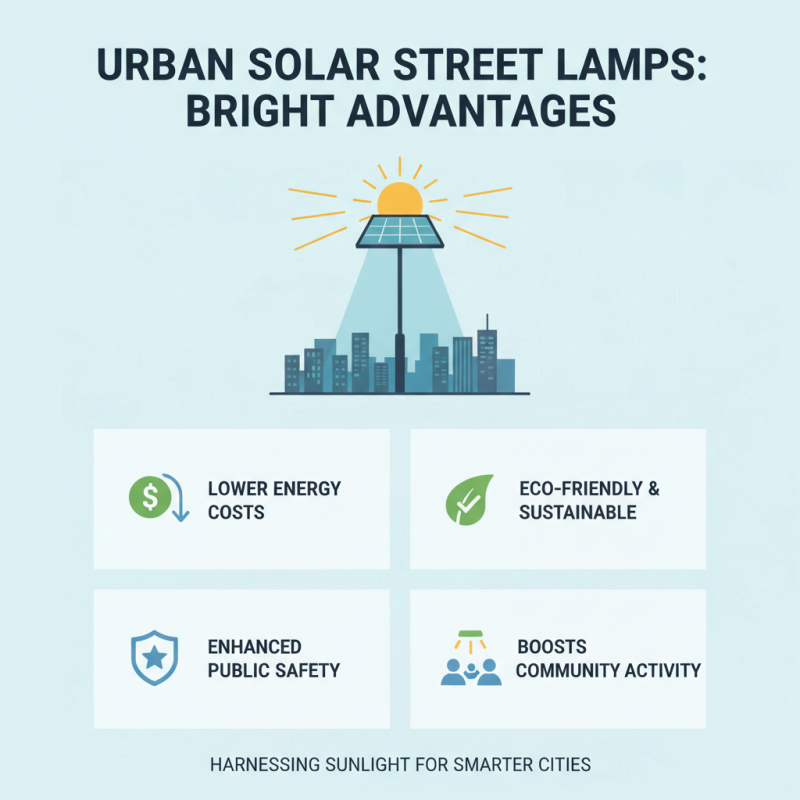
Solar street lamps provide numerous advantages in urban settings. They utilize solar panels to harness sunlight during the day. This energy powers LED lights at night, reducing the need for traditional electricity sources. Cities can lower their energy bills significantly. These lamps are often installed in public spaces. They enhance safety by illuminating dark areas. This encourages more foot traffic and improves community interaction.
One notable benefit is the environmental impact. Solar street lamps emit no greenhouse gases. They contribute to a cleaner urban environment. However, not all installations are perfect. Factors like sunlight availability can affect performance. During cloudy days or winter months, energy collection may be lower. Cities must consider local weather patterns when deploying these systems. Maintenance is crucial as well. While solar lamps have fewer moving parts, battery lifespan and component wear can present challenges.
Embracing solar street lamps can significantly transform urban landscapes. They offer a sustainable solution for city lighting. Yet, decision-makers must balance advantages and limitations. The goal is to create functional and effective lighting solutions for all urban dwellers.
Challenges and Solutions for Implementing Solar Street Lamps
Implementing solar street lamps presents various challenges. One significant issue is their high initial cost. While they offer long-term savings, the upfront investment can deter municipalities. Limited budgets often result in difficult decisions. Local governments may hesitate to commit financial resources to these projects without clear, immediate benefits.
Another challenge is energy storage. Solar street lamps rely on batteries to provide power at night. If battery quality is low, performance suffers. Poor battery life can lead to inconsistent lighting. This inconsistency raises safety concerns in public spaces. Many installations have fallen short due to insufficient research on battery specifications.
Maintenance can also be a hurdle. Solar panels need cleaning to operate efficiently. Dirt and debris reduce energy absorption. Neglecting this task can lead to dim lights. Some areas struggle to allocate staff for regular maintenance. Developing a maintenance plan is crucial but often overlooked. Finding a balance between cost-effectiveness and performance requires careful planning and community engagement.