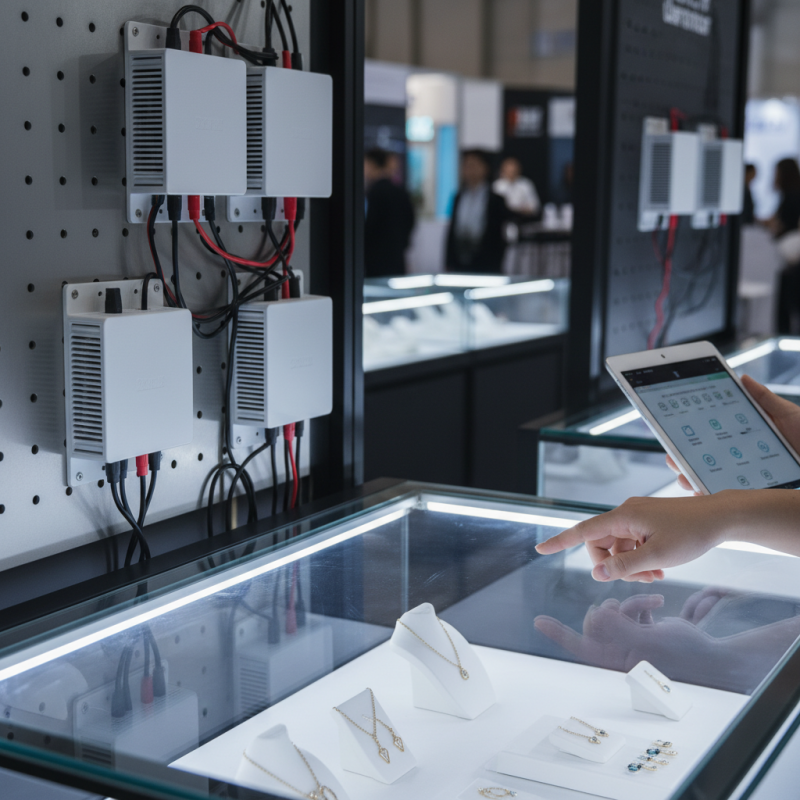
Essential Tips for Choosing the Right Showcase Lighting Driver?
Choosing the right Showcase Lighting Driver is crucial for any display or exhibition space. The right driver ensures optimal lighting performance. It directly affects the visual appeal of your showcased items. Therefore, understanding the various types available is essential.
When selecting a Showcase Lighting Driver, consider compatibility with your lighting fixtures. Each driver has distinct specifications. This can impact energy efficiency and lighting quality. A poorly chosen driver can lead to flickering or inadequate brightness. You want your items to shine, not dim.
Experience in the field can guide your decision. Read reviews from other users to identify reliable brands. Remember, not all drivers are created equal. Take the time to assess your needs. A well-informed choice leads to stunning displays.
Understanding Showcase Lighting Drivers and Their Importance
Showcase lighting drivers play a crucial role in illuminating displays effectively. They are devices that power and control LED lights. The right driver ensures optimal performance and energy efficiency. Poor choices can lead to dim lighting or flickering displays. Understanding how these drivers work can make a significant difference.
When selecting a lighting driver, consider wattage and voltage specifications. These details ensure compatibility with your lighting system. Overloading a driver can shorten its lifespan. Check for features like dimming capabilities as well. Dimming options enhance flexibility but must match your LED lights. Many people overlook this essential detail.
Also, look at the driver's thermal management. Heat affects performance and durability. A well-designed driver dissipates heat effectively. It's important to read reviews or consult experts, as experiences vary. Do not rush the decision. Take your time to reflect on all options available. Each choice impacts the showcase's overall appeal and functionality.
Key Factors to Consider When Choosing a Lighting Driver
When selecting a lighting driver for showcases, several key factors come into play. One crucial element is compatibility. Ensure the driver works well with your specific light types. LED compatibility is often a concern, as not all drivers manage LED performance equally. Test it in your space to check color rendering and dimming options.
Another important aspect is wattage capacity. Calculate the total wattage of your lights to avoid overloading the driver. A miscalculated wattage can lead to flickering lights or even driver failure. Consider your display’s brightness requirements. The right driver can significantly influence how products are presented.
Don’t overlook efficiency ratings. A high-efficiency driver saves energy and reduces costs over time. However, high efficiency often comes with a higher upfront cost. Reflect on your budget and long-term goals. Sometimes, spending more now can lead to greater savings later on. Deciding on a driver is not just a one-time action; it’s a stake in your showcase’s future performance.
Types of Showcase Lighting Drivers and Their Applications
When selecting showcase lighting drivers, it's essential to understand the different types available. Switching drivers are commonly used for LED lights. They offer efficient conversion of electricity, which maximizes the longevity of your fixtures. Dimming drivers are another popular choice, allowing you to adjust lighting levels. This flexibility enhances the presentation of showcased items.
Magnetic drivers are the traditional option. They work well with incandescent and halogen bulbs. While they may not be as energy-efficient as modern solutions, they are reliable. However, they can create heat, which may affect delicate items in your showcase. Consider the compatibility with your existing lighting to ensure optimal performance.
It's important to reflect on your specific needs. Consider the type of showcases and the items being displayed. Some materials may require softer lighting to avoid damage. Others benefit from bright, direct lighting. Evaluating these factors can help you choose the right driver. Remember, the goal is to highlight the showcased items without compromise.
Evaluating Energy Efficiency and Compatibility in Lighting Drivers
Choosing the right lighting driver plays a crucial role in your showcase setup. Evaluating energy efficiency ensures that your lighting remains cost-effective over time. Lighting drivers that are energy-efficient help reduce electricity bills and minimize environmental impact. Look for drivers with high lumens-to-watts ratios, which indicate better performance. This often translates to a brighter light for less energy consumed.
Compatibility is another vital aspect. Make sure the driver matches the specifications of your chosen fixtures. A mismatched driver can lead to flickering lights or even damage to your bulbs. Check the voltage and wattage ratings carefully. Some products may offer varied dimming capabilities, which affect how your lighting interacts with displays.
Don't overlook the importance of choosing drivers that support the latest technologies. Features like programmable settings can enhance flexibility. However, these advanced options might complicate installation. Be prepared to seek professional help if needed. Reflect on your specific needs before you decide. Testing different setups can lead to unexpected results, paving the way for better lighting solutions in the future.
Essential Tips for Choosing the Right Showcase Lighting Driver
Common Mistakes to Avoid When Selecting Showcase Lighting Drivers
When selecting showcase lighting drivers, many make critical errors. One common mistake is failing to assess the compatibility with existing lighting systems. A report from the Lighting Research Center indicates that over 30% of lighting failures stem from mismatched drivers. This can lead to flickering or even complete outages, impacting the display's aesthetics.
Another frequent oversight involves ignoring power requirements. Many buyers overlook the voltage needs of their lighting displays. According to industry standards, drivers should match the voltage to avoid inefficiencies. Choosing a driver not suited for the project can waste energy and lead to costly replacements.
Additionally, some individuals do not consider dimming capabilities. A study by the National Institute of Standards and Technology shows that proper dimming increases energy efficiency by nearly 30%. Selecting a driver without this feature limits flexibility in lighting design. The importance of thorough research cannot be overstated. It's essential to reflect on these details to ensure optimal performance.