Top Tips for Choosing the Right Ev Charger Wall Plug?
Choosing the right Ev Charger Wall Plug can be overwhelming. With so many options available, it’s easy to get lost in the details. The EV market is evolving rapidly, and technology changes constantly. A suitable plug can enhance your charging experience significantly. However, many people overlook important factors when selecting a charger.
One common mistake is ignoring compatibility. Not all EVs work with every charger. It’s crucial to check if your vehicle supports the chosen plug type. Additionally, consider the charging speed. Fast chargers can save you time but may come with higher costs. Balancing speed with budget is essential.
Another aspect to reflect on is the location of your charger. Will it be used at home or in public spaces? Your choice might vary based on where you plan to charge your vehicle. Garage setups might need different features compared to public use. By keeping these points in mind, you can make a more informed choice on your EV charger wall plug.
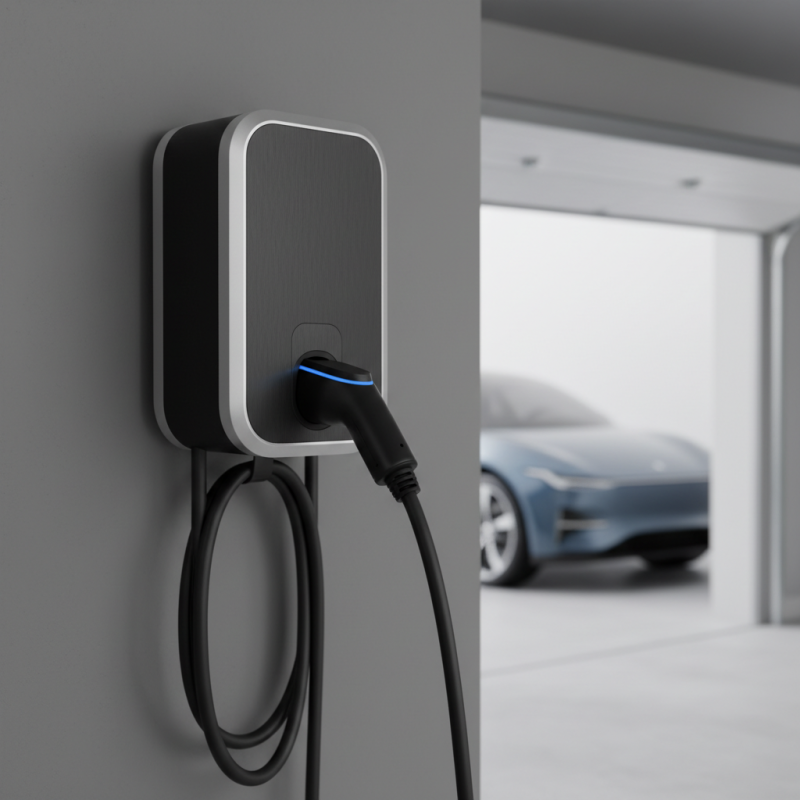
Understanding Different Types of EV Charger Wall Plugs
When considering EV charger wall plugs, it's essential to understand the different types available. Level 1 chargers are the most basic. They use a standard 120V outlet. This option is slower but convenient for overnight charging. Ideal for those with longer charging times. Yet, they might be insufficient for daily commuting needs.
Level 2 chargers offer a more robust solution. They require a 240V outlet, providing faster charging. Perfect for homes with multiple electric vehicles. However, installation costs can be higher. It's crucial to assess your home's electrical capacity. You don't want unexpected upgrades adding to your expenses.
DC fast chargers are the quickest but often found in public locations. These can charge a vehicle in under an hour. They aren't practical for home use due to their complexity and cost. Therefore, think about your charging habits. Are you mostly at home or out and about? The right choice aligns with your lifestyle.
Key Factors to Consider When Choosing an EV Charger
Choosing the right EV charger wall plug can feel overwhelming. There are key factors worth considering. First, think about the charging speed. Level 2 chargers offer faster charging compared to Level 1. If you drive frequently, a faster charger can save you time.
Consider the plug compatibility. Ensure your charger can work with your vehicle. Different EVs may require different types of connectors. This detail can determine the efficiency of your charging process.
Moreover, install location matters. Is there space in your garage or driveway? Look for a spot with good access to power. Weather-resistant features are important too. This helps avoid damage if you install the charger outdoors.
Lastly, safety should be a priority. Check for built-in protection features. Overcurrent protection and ground fault detection are crucial. Ignoring these can lead to hazards. Investing a little more in safety features may prevent disasters later.
Assessing Charging Speed and Power Requirements
When choosing an EV charger wall plug, assessing charging speed is vital. Different EV models require varying power outputs. Some vehicles may need 3.7 kW, while others could need up to 22 kW. This disparity can affect your overall charging experience. If you have a high capacity vehicle, opt for a faster charger. Slow charging might not meet your daily needs.
Consider your typical usage patterns. Do you drive short trips, or long distances daily? If you drive frequently, a higher power output is beneficial. It's not just about speed; it’s also about efficiency. Sometimes charging too quickly can heat up the battery, leading to potential issues. A slower charge could be safer for your vehicle's health.
Another point to reflect on is installation costs. A higher-powered unit may require more extensive electrical work. Be mindful of your home’s electrical system and budget. If these costs seem daunting, a balance might be necessary. Think about future needs; your current choices could limit later upgrades. Aim for a plug that fits both your current setup and future aspirations.
Evaluating Installation and Compatibility with Vehicle
When choosing an EV charger wall plug, installation compatibility with your vehicle is crucial. According to industry data, over 70% of EV owners face challenges related to compatibility during installation. These challenges can lead to unexpected costs or even delays in accessing a charging station.
Many chargers support various connection types. However, some vehicles may need specific adapters. This can complicate home charging setups. It's important to check the manufacturer's guidelines for your vehicle. Some owners might overlook this step and later face disappointing results.
Installation location also plays a key role. Did you know that nearly 30% of users choose improper locations for their chargers? Access to a power source, protection from the elements, and cable length should be considered. Many people struggle with insufficient power outlets. A qualified electrician can help assess your home's electrical capacity, ensuring a smooth installation. Ignoring these details might lead to suboptimal charging experiences.
Budget Considerations and Long-term Costs of EV Chargers
When choosing an EV charger, budget considerations are crucial. The initial cost of the charger can vary greatly. A basic home charger may cost less, but higher-end models offer faster charging. It’s important to weigh these upfront expenses against long-term savings.
Think about installation costs too. Professional installation can add hundreds to the overall price. Skipping this may seem like a money-saver, but improper setup could lead to costly repairs later. Check local regulations as they might affect installation costs.
Long-term costs also come into play. Consider the electricity rates in your area. Some chargers consume more energy, impacting your utility bills. Think about the potential need for upgrades in the future. A more efficient model today might save you money down the line. Sometimes, the cheapest option isn't the best in terms of longevity.
Cost Comparison of Different EV Charger Wall Plugs