Top 10 Benefits of Microinverter Solar Off Grid Systems?
In recent years, renewable energy solutions have gained popularity. Among them, microinverter solar off grid systems have emerged as a powerful choice. According to the International Renewable Energy Agency (IRENA), solar energy can provide up to 30% of global electricity by 2030. This shift reflects the importance of efficient energy solutions.
Microinverter technology converts solar energy at the panel level. This differs from traditional systems that operate at the string level. Reports suggest that systems using microinverters can achieve up to 20% more energy production. Such benefits are critical, especially in remote areas where grid access is limited.
Despite these advances, challenges remain. Some users may face higher initial costs. Yet, over time, microinverter solar off grid systems offer significant savings and reliability. The technology is not perfect, and efficiency can vary under different conditions. Nonetheless, the long-term advantages often outweigh the drawbacks, making it a worthy consideration for sustainable energy.
Advantages of Microinverter Technology in Solar Off-Grid Systems
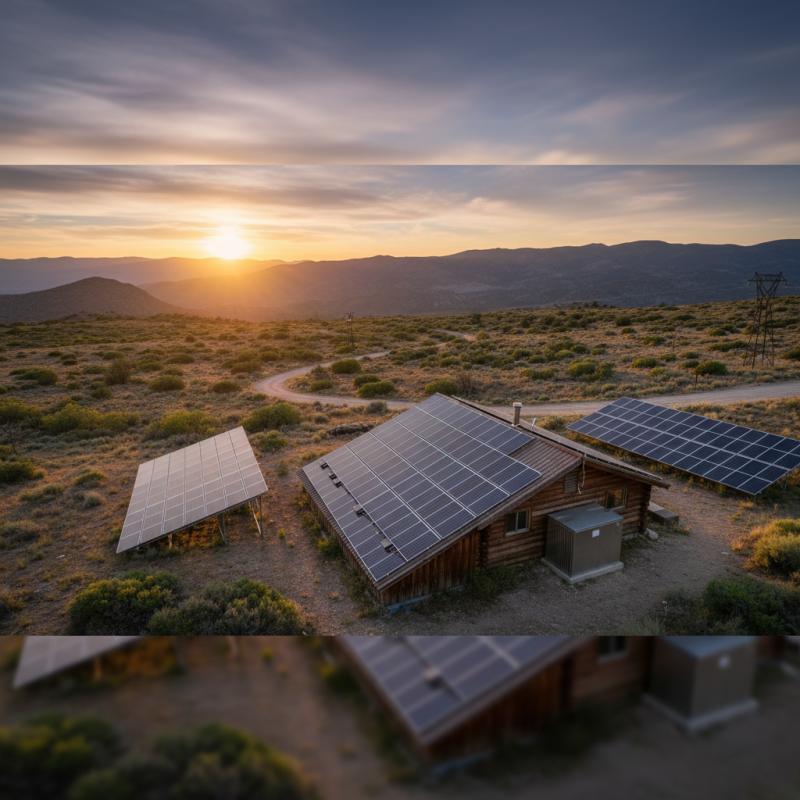
Microinverter technology revolutionizes solar off-grid systems in many ways. Unlike traditional inverters, microinverters work on a panel-by-panel basis. This means each solar panel operates independently. If one panel underperforms, it does not affect the others. This results in higher overall energy production.
The ability to monitor each panel individually allows for better maintenance. Users can easily identify issues with specific panels. This leads to more efficient performance over time. However, the technology is more complex, which may deter some users. Initial costs can be higher, but the long-term benefits may outweigh them.
Microinverters also enhance energy harvesting during partial shading. When trees or buildings cast shadows, traditional inverters struggle. Microinverters adjust to the conditions of each panel, maximizing energy output. This adaptability is crucial for diverse environments. However, not every location may need such technology. Users should weigh their options carefully before deciding.
Enhanced Energy Production through Microinverters
Microinverter solar off-grid systems enhance energy production significantly. These systems operate by converting solar energy at each panel, maximizing output. Research indicates that microinverters can increase energy harvest by up to 20% compared to traditional systems. This increase is crucial for off-grid solutions, especially in areas with variable sunlight. When shading occurs, microinverters optimize performance individually. Therefore, even if one panel is affected, others continue to function effectively.
Microinverters also allow for better monitoring. Users can track each panel's performance in real-time. This feature helps in early detection of issues. A report from the National Renewable Energy Laboratory (NREL) shows that panels with individual monitoring maintain 10% more efficiency over time. This capability is vital for locations far from maintenance services, reducing downtime.
Tips for maximizing your microinverter system include proper installation and regular cleaning. Ensure the panels are positioned correctly to avoid obstructions. Clean panels can boost energy capture by up to 15%. Furthermore, consider using online monitoring tools to stay informed about your system's performance. These steps can lead to better energy results, empowering you to make more informed energy decisions.
Improved System Monitoring and Performance Tracking
Microinverter solar off-grid systems provide enhanced system monitoring and performance tracking. These systems allow individual panel monitoring, unlike traditional setups. This means users can see performance data for each solar panel. It's easier to identify issues that may affect energy production. A small drop in performance can lead to significant energy loss over time.
Real-time insights help optimize system performance. Users can address maintenance needs promptly. However, some may feel overwhelmed by the data. Understanding the metrics and making sense of the numbers can be challenging. People often struggle to translate the technical aspects into actionable insights. Yet, having detailed data is vital for improving efficiency.
The visual representation of energy generation adds clarity. Users can spot trends and adjust energy usage accordingly. Sometimes, despite the technology, one might find inconsistencies in data readings. Sensor errors can lead to confusion or misinterpretation. Nonetheless, the potential for better management is clear. Effective tracking can lead to significant cost savings and optimal energy independence.
Increased System Flexibility and Modular Design
Microinverter solar off-grid systems offer remarkable flexibility and a unique modular design. Each microinverter connects to an individual solar panel, allowing for better energy optimization. If one panel underperforms, the others continue to function effectively. This design ensures that shading or debris on one panel does not compromise the entire system. It’s a more resilient approach.
The modular nature of microinverters grants users the freedom to expand their systems gradually. Homeowners can start with a few panels and add more as their energy needs grow. This adaptability is particularly beneficial for those in remote areas where energy demands may shift over time. However, planning for future expansion requires careful thought. Users may face challenges in integrating new components with existing systems.
Investment in a microinverter system can be higher initially. This upfront cost may deter some homeowners. Yet, the long-term benefits often outweigh these concerns. Performance monitoring becomes easier, and any potential technical issues can be addressed without risking the whole array. Embracing this technology invites a learning curve in system management and maintenance, but the rewards can be significant.
Top 10 Benefits of Microinverter Solar Off Grid Systems
Enhanced Safety Features of Microinverter Solar Systems
Microinverter solar systems have gained popularity for their focus on safety. Unlike traditional string inverter systems, microinverters operate on a low voltage. This feature significantly reduces the risk of electric shock. A report from the National Renewable Energy Laboratory highlights that over 1,000 residential fires annually are caused by electrical failures. Microinverters help mitigate this risk.
Microinverters enhance performance monitoring too. Each panel has its own inverter. If one panel underperforms, it won’t drag down the entire system. Research indicates that microinverters can improve energy production by 20% in shaded areas. Yet, system complexity may lead to maintenance challenges. There’s potential for faults if not managed well. Users must stay vigilant about system health.
Moreover, these systems can withstand environmental stress better. They can adapt to temperature changes without overheating. A study from the Solar Energy Industries Association shows that better thermal management leads to longer lifespans. However, some users find installation costs high. Balancing initial expenses with long-term benefits requires careful consideration. Continual education about microinverter technology is essential for optimal use.