Top Solar Applications for Global Buyers Today?
The rapid rise of Solar Applications is reshaping global energy consumption. According to the International Energy Agency, solar power capacity grew by over 20% in 2022. This trend is driven by increasing demand for sustainable energy solutions and innovative technologies.
Dr. Emily Chen, a leading expert in renewable energy, states, "The diversification of solar applications is vital for future energy security." This sentiment reflects the importance of adapting solar technologies for varied uses, from residential rooftops to large-scale solar farms. The versatility of solar installations makes them crucial for addressing energy needs across different sectors.
However, challenges remain. Integration issues and upfront costs can hinder adoption. Additionally, the effectiveness of Solar Applications varies based on geographic and climatic conditions. As the industry evolves, continuous evaluation and adaptation will be necessary to maximize the benefits of solar energy.
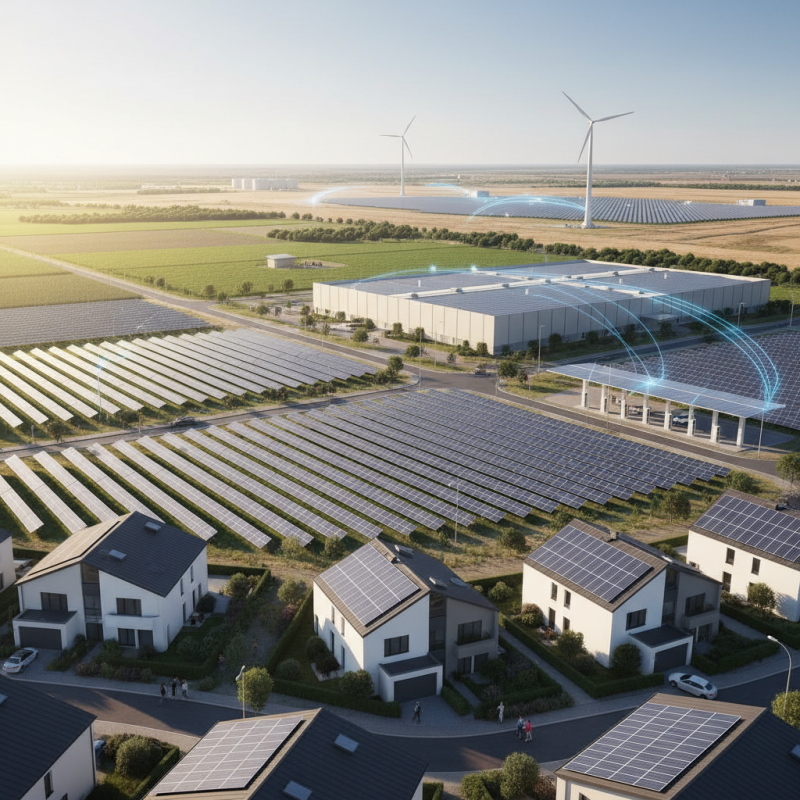
Key Trends in Solar Energy Applications for Global Markets
As solar energy technology advances, global markets are witnessing changes in applications. According to a recent report by the International Energy Agency, solar power could provide up to 30% of global electricity supply by 2030. This shift reflects increasing adoption of solar systems in residential and commercial sectors.
One notable trend is in solar rooftops. These installations are becoming common in urban areas. The demand for energy independence drives homeowners to install solar panels. As per market analytics from Wood Mackenzie, rooftop solar installations grew by 20% in 2022 alone. However, the challenge remains in grid integration. Many regions struggle with outdated infrastructure, limiting solar energy distribution.
Another interesting application is solar-powered electric vehicles (EVs). This sector shows rapid growth, with a double-digit increase in future projections. While the technology is promising, issues like energy efficiency linger. Additionally, brainstorming sustainable solutions for recycling solar panels continues to be an industry need. The global push for decarbonization highlights both opportunities and obstacles in the solar energy landscape.
Solar Power Solutions for Residential Buyers
Residential solar power systems are gaining momentum. According to the Solar Energy Industries Association (SEIA), installations have surged by over 40% in recent years. Homeowners are eager to reduce their energy bills and shrink their carbon footprint. A typical residential system can offset more than 80% of a home’s electricity consumption, a remarkable statistic.
Cost is a major factor for buyers. The average price for residential solar panel systems dropped by approximately 30% from 2014 to 2020. However, initial investment remains high for many. Financing options are often necessary, as upfront costs can be challenging, particularly for middle-income households. Tools such as solar calculators assist homeowners in estimating potential savings versus investment.
Adoption rates vary widely by region. States with strong incentives, like California, often see higher adoption rates. But not everyone is benefiting equally. Some areas face challenges, such as limited sunlight exposure or restrictive local regulations. These disparities raise questions about equitable access to solar technology. Each homeowner must carefully assess their situation to ensure the best decision.
Commercial Solar Installations: Benefits and Opportunities
Commercial solar installations represent a transformative shift in energy consumption. They offer substantial financial benefits for businesses. Reduced electricity bills are a primary advantage. Many companies report savings up to 30% after installation. This shift also provides energy independence. Businesses can insulate themselves from rising utility costs.
Adopting solar technology shows a commitment to sustainability. Consumers increasingly value businesses making eco-friendly choices. However, not all installations go smoothly. Some companies face high upfront costs and complex permitting processes. Delays in installation can hinder expected savings. Reflecting on these challenges is crucial for businesses. Careful planning and proper consultation can mitigate risks.
Incorporating solar energy into a commercial strategy requires thoughtful analysis. Each organization must assess its unique energy needs. Finding the right solar solution is vital. Gathering credible information will guide informed decisions. While challenges exist, the long-term benefits far outweigh the hurdles.
Top Solar Applications for Global Buyers Today - Commercial Solar Installations: Benefits and Opportunities
| Application | Benefits | Opportunities | Estimated Cost ($/kW) | Average Payback Period (Years) |
| Rooftop Solar Systems | Reduces electricity bills, utilizes existing space | Potential for leasing rooftops, energy buyback programs | 2,500 - 3,500 | 5-7 |
| Ground-Mounted Solar Farms | Scalable, generates significant power, land leasing | Utility-scale projects, grants, and subsidies | 1,500 - 2,500 | 4-6 |
| Solar Canopies | Dual-use spaces (parking), increased land efficiency | Retail and commercial parking, enhancing customer experience | 2,000 - 3,000 | 5-8 |
| Bifacial Solar Panels | Higher energy yield, improved efficiency | Emerging markets, integration with existing systems | 3,000 - 4,000 | 6-9 |
| Solar Water Heating | Energy savings for hot water needs, lower emissions | Hospitality, residential applications | 1,000 - 1,500 | 3-5 |
Innovative Solar Technologies for Industrial Use
In today's industrial landscape, innovative solar technologies are transforming energy consumption patterns. Businesses are increasingly adopting solar panels to power operations efficiently. These systems can reduce energy bills and improve sustainability.
Alongside traditional solar panels, concentrated solar power (CSP) systems are gaining traction. CSP uses mirrors to focus sunlight. This technology generates steam, powering turbines and producing electricity. It's an effective solution for large-scale energy needs. Some firms find this approach not only energy efficient but also a reliable way to power heavy machinery.
However, implementing solar technologies isn't without challenges. High initial costs can deter some organizations. Maintenance and integration with existing systems can also pose issues. An analysis of energy needs is important before making such investments. Despite the hurdles, the long-term benefits of transitioning to solar power often outweigh the obstacles. The push for renewable energy is becoming a necessity in a rapidly changing world.
Top Solar Applications for Global Buyers Today
Emerging Global Markets for Solar Energy Adoption
Emerging markets are redefining the landscape for solar energy adoption globally. According to the International Renewable Energy Agency (IRENA), solar power capacity has surged by over 22% annually in many developing nations. These countries are increasingly recognizing solar's potential as a cost-effective solution for their energy needs.
Regions such as Southeast Asia and Africa are emerging as hotspots for solar technology. In 2022, solar capacity in Sub-Saharan Africa grew by 24%, with governments investing in off-grid solar systems. The rise of small-scale solar projects provides access to electricity for millions. Nearly 600 million people still lack basic electricity access, creating a pressing need for sustainable solutions.
However, challenges remain. Infrastructure deficits and regulatory hurdles can slow progress. For instance, financing options may be limited in certain regions, hindering project development. As these markets evolve, stakeholders must work together to overcome barriers. Innovation in financing and technology will play a crucial role in scaling solar energy in these promising markets.