2026 Best Solar Landscape Lighting for Buyers?

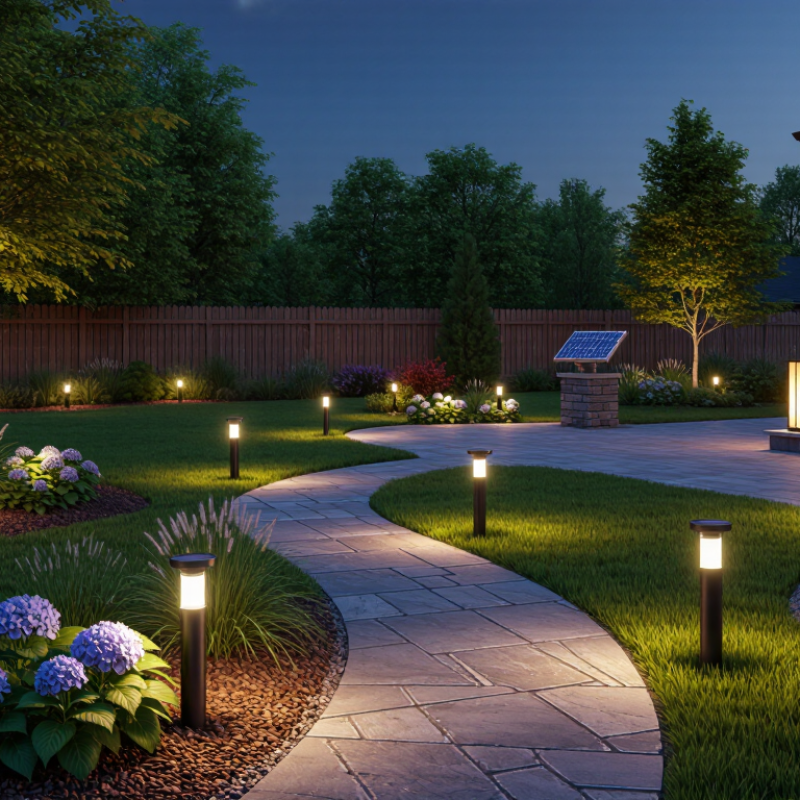
Choosing the 2026 best solar landscape lighting means looking beyond a bright product photo. A path light may look elegant online, then barely glow beneath a shaded maple. Solar performance depends on sunlight, battery capacity, fixture design, and placement. Buyers should compare these details, not just advertised brightness.

Lighting designer Randall Whitehead’s maxim, “Lighting is the jewelry of architecture,” offers a useful perspective. Outdoor fixtures should complement a home and garden, not overwhelm them. This guide examines solar landscape lighting for walkways, planting beds, patios, and entryways. It considers light output, color temperature, panel placement, weather resistance, installation, and warranty terms. Small details matter. A panel tucked under an eave may collect too little sunlight, while a cool white beam can feel harsh beside warm stone. Seasonal shade and short winter days can also affect charging. Results vary.

No shortlist can fit every yard. That is worth admitting. The right choice depends on local conditions, design preferences, and how much upkeep a buyer accepts. We’ll weigh practical strengths and trade-offs, so readers can choose fixtures that suit their spaces rather than chase the brightest claims. A modest light in a sunny spot may outperform an expensive fixture under dense trees. That is not glamorous, but it is useful.
2026 Best Solar Landscape Lighting for Buyers?

What Solar Landscape Lighting Is and How It Works

2026 Best Solar Landscape Lighting for Buyers?

What Solar Landscape Lighting Is and How It Works

Solar landscape lighting uses a small photovoltaic panel to collect daylight and convert it into electricity. During the day, that energy charges a rechargeable battery. After dusk, a light sensor or controller switches on the LED lamp, which draws power from the battery. No buried power cable is needed. That makes installation simpler, though the lights still need a sunny, suitable spot.

Tips: Place panels where they receive several hours of direct sun. Keep leaves and dust off the panel. Check the battery’s replacement instructions before buying.

Performance varies. A fixture under dense branches may glow weakly, even if it looked bright in a showroom. Short winter days, cloudy weather, and cold temperatures can also reduce operating time. Compare stated runtime with your needs, but treat it as an estimate rather than a promise. I’ve found placement can matter more than adding extra fixtures. It is easy to overlook that. Consider whether the panel is built into the lamp or connected by a cable; a separate panel can be positioned in sunlight while the lamp sits in a shaded area.
Main Types of Solar Landscape Lights and Their Uses

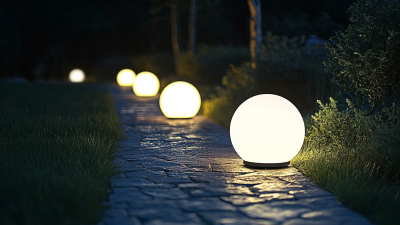
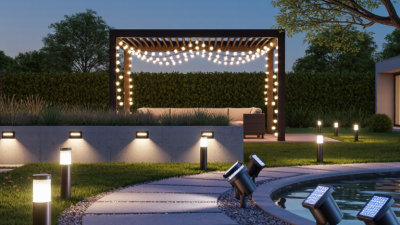
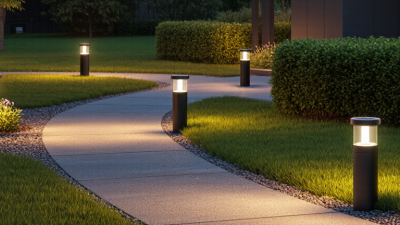
Solar landscape lights serve different jobs, so choose by location rather than appearance alone. Path lights mark garden edges and walkways, helping guests see uneven paving after dusk. Space them to create overlapping pools of light, not a runway of glare. Low bollard-style fixtures work well around beds and driveways, but tall plants can hide their panels.

Spotlights are better for trees, stone walls, or house numbers. Aim them carefully; a beam pointed toward a neighbor’s window can feel intrusive. For steps, decks, and fences, compact wall lights provide useful close-range illumination without taking up ground space. String lights add a softer glow to patios, though they are decorative rather than dependable task lighting. Small distinction, big difference.

Motion-sensing solar lights suit entrances and sheds where bright light is needed only briefly. Their sensors may trigger less reliably when branches move or the fixture faces a busy path. Performance also depends on sunlight: panels under dense leaves or on a shaded north-facing wall may charge poorly. Check the panel’s placement, battery access, and stated operating time before buying. Cloudy weeks can still disappoint, even with a sensible setup. That part is easy to underestimate. A mixed layout often works best: gentle path markers, a few aimed spotlights, and task lighting near doors.

Key Performance Features Buyers Should Compare in 2026

In 2026, compare usable light, not just a large lumen number on the box. Check whether the stated output lasts through the advertised runtime, and ask if brightness falls as the battery drains. A path light should reveal edges and steps without shining into a neighbor’s window. Check beam spread, color temperature, and whether the panel can be angled toward direct sun. Small details matter.

The World Bank and ESMAP’s Global Solar Atlas provides location-specific solar resource and photovoltaic output estimates. That is a useful reminder: two identical lights may charge very differently under a tree canopy or during a cloudy season. IEA PVPS estimated 447 GW of new solar capacity worldwide in 2023, but that market figure does not guarantee any individual lamp’s performance. Compare battery capacity, charging time, and winter runtime in the product’s test conditions. Look for an ingress-protection rating and replaceable batteries, too. Nice on paper. Yet some specifications omit test temperatures, and that makes comparisons less dependable. I would treat an unqualified “all-night” claim cautiously. Check whether the seller publishes test methods or measured runtime at a stated brightness.

How to Assess Installation Needs and Long-Term Maintenance

Before buying, walk the site at midday and again near dusk. Note tree shade, roof shadows, and paths that need even coverage. A panel that looks sunny in spring may lose hours of light beneath summer leaves. Check soil, too: rocky ground can make short stakes wobble, while poor drainage can expose connections to standing water. Small details matter. Confirm whether batteries are replaceable and whether the panel can be positioned separately from the lamp.

NREL’s 2013 review of nearly 2,000 photovoltaic degradation rates found a median decline of about 0.5% per year. That figure describes PV systems broadly, not compact garden lights, so treat it as context—not a product forecast. Ask for battery capacity, runtime estimates, weather-resistance details, and replacement-part availability. A bright first night proves little. Winter shade and cloudy stretches reveal more.

Long-term care is simple, but not zero. Wipe dust and pollen from panels with a soft cloth, and clear leaves from fixtures after storms. Once a year, inspect seals, stakes, and wiring for cracks or looseness. The U.S. Department of Energy’s LED luminaire lifetime guidance emphasizes lumen-maintenance testing; look for measured output-retention information rather than relying on a large hour figure alone. I would still budget for battery replacement, even when the listing is vague. That uncertainty matters.

2026 Best Solar Landscape Lighting for Buyers? — Installation Needs and Long-Term Maintenance

Typical planning intervals for common upkeep tasks. Longer intervals mean less frequent maintenance.

Intervals are general planning ranges, not universal requirements. Check the product instructions and adjust for local dust, rainfall, shade, and battery type. Before installation, choose a spot with adequate direct sunlight and easy access for cleaning and battery checks.

How to Match Solar Lights to Outdoor Spaces and Budgets

Matching solar lights to an outdoor space starts with how that space is used. For a garden path, choose low-glare fixtures that mark the edges without shining into windows. Steps and uneven paving need brighter, focused light so changes in height remain visible. Check the product’s stated brightness and runtime, but remember that cloudy weather, winter days, and aging batteries can reduce performance. A sunny test spot helps. Leave a few days to observe it.

Budget for the whole layout, not just the price per light. A small courtyard may need only a few dependable fixtures, while a long driveway can become costly if every few feet requires illumination. Measure the area and plan spacing before buying; crowded lights can look harsh, while wide gaps leave dark patches. Look for weather-resistant construction and replaceable batteries when available. Shade from trees or fences can make even a well-reviewed light underperform. I have found that moving one fixture into direct sun can matter more than adding another. Not every yard cooperates. Start with the areas where safe footing matters most, then expand if the light holds through the evening.

2026 Best Solar Landscape Lighting for Buyers? - How to Match Solar Lights to Outdoor Spaces and Budgets
A practical comparison of common solar light types, typical output, placement, and indicative per-fixture budgets.
Light type Typical light output Best outdoor spaces Typical operating time* Indicative budget per fixture (USD) What to check before buying
Path lights About 2–100 lumens Walkways, garden borders, and driveway edges About 6–10 hours after a good charge $5–$35 Choose spacing and brightness that mark the route without creating glare; confirm the stake suits the ground.
Spotlights About 100–500 lumens Trees, statues, signs, and architectural details About 4–10 hours, depending on brightness setting $15–$60 Look for an adjustable head and a separate solar panel if the feature is shaded.
Step and deck lights About 5–50 lumens Stair risers, deck edges, and low walls About 6–10 hours after a good charge $8–$40 Check mounting method, dimensions, and water-resistance rating; use even placement to make level changes visible.
Wall and fence lights About 20–200 lumens Porches, fences, gates, and outdoor seating areas About 5–10 hours after a good charge $10–$50 Confirm the panel receives direct sun and that the fixture can be secured to the intended surface.
String lights Often about 5–50 lumens per bulb Patios, pergolas, and dining areas About 4–8 hours after a good charge $15–$60 per set Compare total string length, bulb spacing, replacement options, and whether the panel can be positioned in sun.
Motion-sensor floodlights About 300–1,500 lumens Entrances, garages, side yards, and larger dark areas Intermittent use; total nightly time varies with motion activity and settings $20–$80 Check sensor range, adjustable duration, panel location, and whether the light has a low-glare setting.
Buying notes: Figures are broad, indicative ranges rather than guarantees; prices and specifications vary by product and retailer. Lumens measure light output, while actual brightness on the ground also depends on beam angle, mounting height, and distance. Runtime depends on sunlight, season, battery condition, and operating mode. For exposed locations, check the product’s stated IP rating and installation instructions; an IP rating describes protection against dust and water under specified test conditions, not a guarantee against every weather condition.