Who Is the Best Solar Street Lamp Manufacturer in China?
Choosing the best solar street lamp manufacturer in China is not simply a matter of comparing prices or product photos. The right supplier depends on your climate, road layout, lighting requirements, and maintenance plan. A lamp that performs well in a sunny coastal area may struggle through long, cloudy winters elsewhere. There is no universal winner.
A careful comparison starts with verifiable product details. Ask for measured lumen output, battery capacity, solar panel specifications, expected autonomy, and operating temperature ranges. Check how the manufacturer explains its IP rating, wind-load design, and warranty terms. These details matter. Request test reports and confirm that any certifications are current and relevant to your destination market. A polished brochure is useful, but it cannot replace evidence.
Manufacturing capability also deserves close attention. Ask whether the company produces key components in-house or relies on outside suppliers. Request clear answers about quality inspections, replacement parts, lead times, and after-sales support. If possible, review a sample under realistic conditions, including partial shading and several nights of operation. That takes testing. Even then, results may differ from a short demonstration, so leave room for uncertainty. Some buyers focus too heavily on battery size; I would question that approach. Panel output, controller settings, local weather, and installation quality all affect performance. The strongest shortlist will include manufacturers that explain these trade-offs plainly, share traceable technical information, and make support arrangements clear before an order is placed.
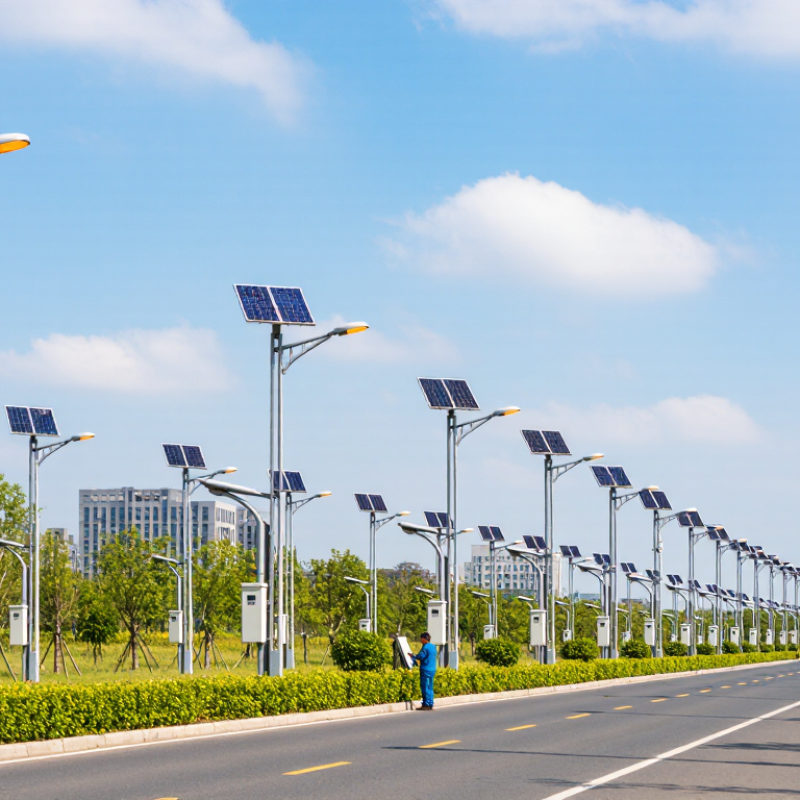
Define Solar Street Lamps: PV Modules, Batteries, LEDs, and Controllers
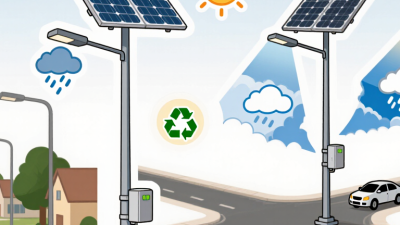
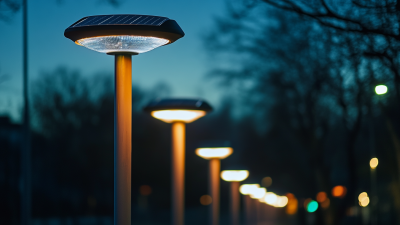
A solar street lamp is a stand-alone lighting system that turns sunlight into stored energy and useful light. Its performance depends on how well four parts work together, not on one impressive specification. The PV module captures sunlight during the day. Its size and orientation affect charging, especially when nearby buildings or trees cast shade.
The battery stores energy for nighttime use and cloudy periods. Capacity matters, but so do operating temperature, charge limits, and expected service life. A battery that looks adequate on paper may struggle through several dim days. That detail is easy to overlook. The LED converts electrical power into light, while its optics direct light onto the road or path. Brightness alone does not show whether the pavement is evenly lit.
The controller manages charging, battery protection, and lighting schedules. Some systems reduce output late at night to conserve stored energy. For a fair manufacturer comparison, ask for component specifications, protection details, and test data under stated conditions. Then check whether the system suits local sunlight, weather, and required operating hours. There is no universal “best” lamp. Even a well-designed setup can disappoint if its battery is undersized or its panel stays shaded; real site conditions deserve careful review.
Compare LED Efficacy (lm/W), Battery Capacity (Wh), and 2–3 Nights of Autonomy
When comparing solar street lamp manufacturers in China, look beyond headline brightness. Ask whether LED efficacy refers to the LED package or the complete luminaire; optics, driver losses, and heat can reduce delivered performance. A complete-luminaire figure is more useful for comparing products. For example, a 30-watt luminaire rated at 150 lm/W produces about 4,500 lumens under stated test conditions. Numbers need context. Request test methods and operating temperatures, not just a catalog value.
Battery capacity should be listed in watt-hours, not only amp-hours, because voltage matters. A 12.8-volt, 30-Ah battery stores about 384 Wh nominally, but not all of that is safely usable. Estimate nightly demand from the actual dimming schedule: 30 watts for ten hours uses 300 Wh before system losses. Three nights at that load require far more capacity than one clear-night calculation suggests. Check how the supplier defines autonomy, including reserve capacity, low-temperature performance, and reduced sunlight. Cloudy weather matters. A practical review also checks whether output dims predictably as the battery falls. Specifications can look neat on paper; real operating profiles are sometimes less tidy, so request test records and confirm assumptions before comparing offers.
Check Compliance: IEC 60598-2-3, IEC 61215, IP66, and IK08 Ratings
When comparing solar street-lamp manufacturers in China, check test evidence, not just claims on a product sheet. The IEA’s Renewables 2024 report projects nearly 5,500 GW of renewable capacity additions from 2024 to 2030, with solar PV accounting for almost 80% of the increase. That growth makes reliable component selection especially important.
IEC 60598-2-3 covers safety requirements for road and street-lighting luminaires. Ask whether the report applies to the complete luminaire, including its housing and wiring, rather than a similar model. IEC 61215 qualifies the design of terrestrial PV modules; it does not certify the full lamp or guarantee years of output. Check that the module model and construction in the report match the offered product. Small details matter.
IP66 means dust-tight protection and resistance to powerful water jets under IEC 60529. IK08 indicates resistance to a 5-joule impact under IEC 62262, useful where lamps face stones or maintenance knocks. Request the test reports, dates, and exact model numbers. A certificate alone is not proof of field durability. Compare it with warranty terms, battery specifications, and clear test conditions; suppliers do not always make those easy to verify.
Evaluate Chinese Manufacturers by Factory Audits, Test Reports, and Warranty Terms
Who Is the Best Solar Street Lamp Manufacturer in China?
A strong manufacturer should make its claims easy to verify. During a factory audit, look beyond polished showrooms. Ask to see incoming component checks, assembly records, and completed lamp testing. Can staff trace a finished unit back to its battery and controller batches? A sample record is more useful than a verbal assurance. Check whether production equipment is maintained and whether rejected parts are logged. A tidy floor helps, but it proves little by itself.
Test reports should match the exact lamp model and configuration you plan to buy. Review the report date, test conditions, and measured results for items such as light output, battery performance, and weather resistance. Ask who performed the tests and whether the report covers the supplied components. Be cautious when a report lists a product family but not your chosen model. Numbers matter. Still, a document can be genuine and outdated, so request current evidence and compare it with a sample unit.
Tips: Read warranty terms line by line. Confirm coverage periods for the battery, LED module, and controller, plus exclusions, claim steps, and replacement shipping costs. Ask when coverage begins. A generous term is less useful if the process is unclear. Keep the answers in writing, and note any gaps before placing an order.
Choose the Best Fit by Lifecycle Cost, Project Records, and After-Sales Support
Who Is the Best Solar Street Lamp Manufacturer in China?
The best supplier is not always the one offering the lowest initial price. Compare the full lifecycle cost, including batteries, LED modules, poles, installation, and maintenance visits. Ask how the system performs during several cloudy days, not only under ideal sunlight. Request the assumptions behind any runtime estimate. A spreadsheet helps, though it can still miss local site conditions.
Project records show whether a supplier has handled similar installations. Review completed projects with comparable temperatures, rainfall, road widths, and lighting schedules. Ask for measurable details, such as operating hours and replacement rates, rather than polished photos alone. After-sales support matters when a lamp fails far from a service center. Clarify response times, spare-parts availability, warranty coverage, and who pays for shipping. These details are easy to overlook. I would still verify references independently; a project list is not proof by itself.
Tips: Compare at least three written quotations using the same operating assumptions. Check sample battery and controller specifications, and request a simple maintenance plan. If projected savings seem unusually high, ask what was excluded. The calculation may be incomplete.
Who Is the Best Solar Street Lamp Manufacturer in China?
Choose the best fit by lifecycle cost, project records, and after-sales support.
Annual energy demand is calculated as lamp wattage × 12 hours per night × 365 nights ÷ 1,000. The figures are an illustrative load calculation, not manufacturer performance data, and exclude system losses. Use comparable project records, component warranties, battery replacement plans, and after-sales response commitments when assessing lifecycle cost.