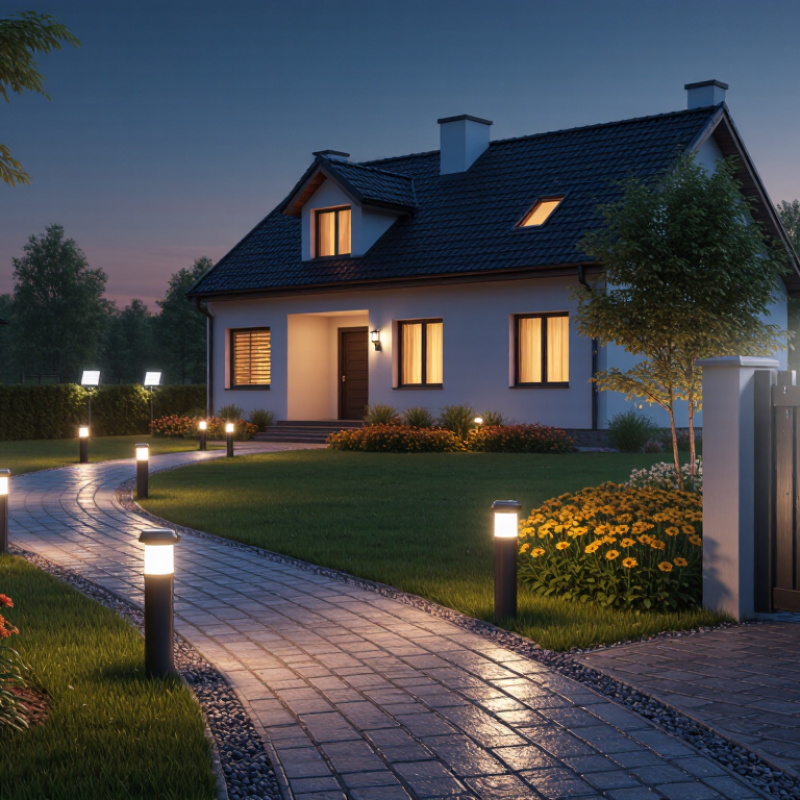
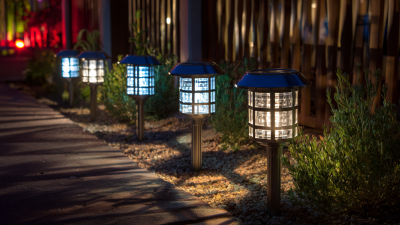
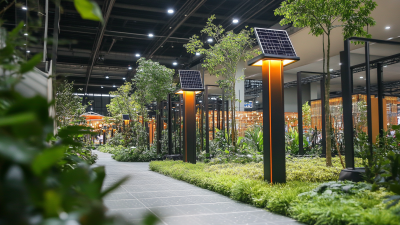
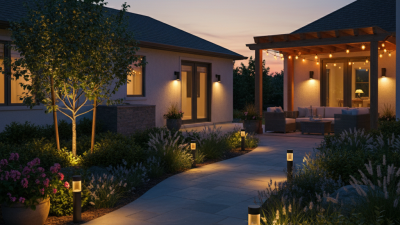
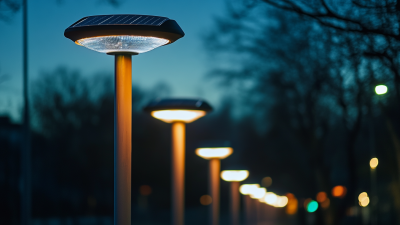
Choosing the right solar powered outdoor lights is not simply a style decision. It affects safety, comfort, maintenance, and evening visibility around your home. A warm pathway light can guide wet footsteps. A brighter floodlight can reveal a dark gate. The wrong fixture may fade before midnight.
Solar lighting consultant John Wiles offers a useful reminder: “A solar lighting system is only as good as its weakest component.” That component might be the panel, battery, sensor, LED, or mounting position. His point matters because a beautiful fixture cannot overcome deep shade or a poorly sized battery.
This guide reviews the 10 Best Solar Powered Outdoor Lights for 2026. We examine brightness, battery performance, weather resistance, installation, sensor accuracy, and real-world value. We also consider details that product pages often overlook. Can the panel charge beneath tree cover? Does the light stay useful after several cloudy days? Is the claimed brightness realistic?
Some conclusions may feel less exciting. More lumens do not always create better outdoor lighting. A sensitive motion sensor may also trigger too often. Small compromises remain.
The selections suit different needs, including walkways, patios, entrances, gardens, and security areas. Each option is assessed with practical use in mind, not only laboratory claims. However, local weather and seasonal sunlight can change results. Your yard may perform differently. That is worth remembering before purchase.
Solar-powered outdoor lights use sunlight to produce practical illumination without permanent wiring. A photovoltaic panel converts daylight into electrical energy. That energy charges a rechargeable battery inside the fixture. When the light sensor detects darkness, the battery powers efficient LEDs. Some models also use motion sensors, which brighten the light when someone approaches.
Their performance depends heavily on placement and weather. Direct sunlight usually provides the best charge. A shaded panel may leave the battery weak by evening. Cloudy days can reduce operating time. Light output also varies by battery size, LED efficiency, and temperature. These details matter more than attractive packaging claims.
Tips: Install the panel where sunlight remains unobstructed for several hours. Wipe away dust, leaves, and bird residue regularly. Aim motion sensors away from busy roads to reduce unnecessary activation. Check the weather-resistance rating before placing a light near sprinklers. A higher rating does not guarantee perfect performance in every climate.
In practical use, solar lights work well for paths, steps, fences, and gentle garden lighting. They may not replace powerful wired security fixtures. I once assumed brighter LEDs always meant better lighting, but battery life suffered quickly. That assumption was unreliable. Replaceable batteries can extend a fixture’s useful life, though replacement intervals depend on heat, charging cycles, and local weather. Positioning remains the detail people overlook most.
Choosing outdoor solar lights in 2026 requires more than comparing brightness and price. Start with the light’s measured lumens, not vague claims such as “ultra bright.” A path light may need modest output, while a security fixture needs stronger coverage. Check the beam angle, color temperature, and motion sensor range. Warm light feels comfortable near seating areas, while neutral light shows steps more clearly.
Battery capacity matters when clouds last several days. Look for lithium batteries with stated capacity, replaceable options, and charging times based on real sunlight. A large panel cannot compensate for a weak battery. Place the panel away from roof shadows, fences, and tree branches. I have seen lights advertised for all-night operation switch off before dawn during winter. That gap between laboratory testing and a damp garden is easy to overlook.
Weather resistance also deserves careful comparison. An IP65 rating generally suits exposed areas, but sealed construction, drainage, and corrosion-resistant hardware still matter. Inspect the mounting bracket before installation; thin plastic can loosen in strong wind. Motion sensors should offer adjustable sensitivity and timing, especially near roads or pets. Independent safety testing and a clear warranty add credibility. Still, no specification replaces observing performance through one wet season. Some designs look excellent on paper, yet their panels collect dust quickly. Clean them occasionally, and record how long the light actually stays on.
The strongest options include path lights, motion-sensor security lamps, wall fixtures, string lights, and compact garden spotlights. Look for efficient LEDs, replaceable batteries, and at least IP65 protection for exposed locations.
Warm light suits patios, while cooler light can improve visibility near steps and gates. Motion sensors should respond quickly without activating whenever a small animal passes. That matters.
Installation details also deserve attention. A light mounted beside a fence may receive less sunlight than expected. Keep panels free from leaves, dust, and bird residue. Clean them every few months with a soft, damp cloth. Some units promise several nights of illumination, but winter weather can reduce charging time sharply. I would not trust a specification without considering local sunlight, temperature, and seasonal shadows. A sturdy ground stake helps, although cheaper stakes may loosen in wet soil. Small compromises remain, even among well-designed products.
Choosing the best solar-powered outdoor lights in 2026 depends on placement, weather, and the job required. For pathways, select low-glare fixtures with wide spacing and warm light. A narrow beam can create dark gaps. For security, motion sensors are more useful than lights that stay bright all night. They should illuminate doors, steps, and side gates without shining into neighbors’ windows.
Patios and gardens need softer control. Adjustable brightness helps create a comfortable table area while protecting nighttime visibility. Amber or warm-white light can make foliage look natural, although color performance varies between products. The U.S. Department of Energy reports that LED lighting uses at least 75% less energy than incandescent lighting and lasts up to 25 times longer. Solar LEDs still depend heavily on battery quality and winter sunlight.
Emergency use requires realistic expectations. A compact light can mark a walkway during a power outage, but it may not replace a dedicated emergency lantern. The International Energy Agency’s Renewables 2024 report expects solar power to provide nearly 80% of global renewable capacity growth through 2030. That growth supports better components, but not every outdoor light is well engineered. Check waterproofing, replaceable batteries, charging time, and tested runtime. I have found that placement matters more than advertised brightness. Shade, dust, and short winter days can reduce performance sharply.
This chart shows representative overnight runtime after a full sunny-day charge. Typical specifications vary by brightness, battery capacity, weather, season, and operating mode; motion-activated security lights generally conserve energy, while emergency lanterns prioritize extended low-output operation.
10 Best Solar Powered Outdoor Lights for 2026?
Installation starts with sunlight, not decoration. Place each panel where it receives six to eight hours of direct light daily. Avoid roof shadows, dense branches, and bright security lamps. A small tilt toward the midday sun often improves charging. Secure fixtures firmly, but do not bury connectors in wet soil. Keep pathways clear, especially near steps and children’s play areas.
Before installation, check the product’s weather-resistance rating and operating temperature range. Wipe panels monthly with a damp microfiber cloth. Remove dust, pollen, and bird marks carefully. Inspect cables after storms, because cracked insulation can allow moisture inside. Rechargeable batteries usually lose capacity over time. Replace them only with compatible types, and recycle old batteries through approved local services.
Winter exposes weak designs. Shorter daylight may reduce brightness, while snow can cover the panel completely. Clear it gently, not with sharp tools. In freezing regions, move removable units indoors when the manufacturer permits it. I once placed lights beneath a decorative tree and ignored afternoon shade; their runtime fell noticeably. That mistake changed my testing routine. I now record sunlight hours, overnight brightness, and performance after rain. Solar lighting is convenient, but it is not maintenance-free.
| Rank | Light Type / Best Use | Typical Brightness | Solar Panel & Battery | Typical Runtime | Weather Protection | Installation Guidance | Maintenance Needs | Seasonal Performance | Safety Considerations |
|---|---|---|---|---|---|---|---|---|---|
| 1 | Pathway Bollard Light Best for walkways and garden borders |
10–40 lumens per light; soft directional illumination | Small integrated panel; rechargeable NiMH or lithium-ion battery | 6–10 hours after a full sunny-day charge | IP44–IP65; choose IP65 for exposed locations | Push the stake into softened soil; keep the panel facing the strongest daily sunlight | Clean the panel monthly and check for loose stakes or corrosion | Shorter runtime is common in winter because of low sun and longer nights | Keep fixtures away from steps and avoid creating glare at eye level |
| 2 | Motion-Sensor Security Floodlight Best for entrances and driveways |
400–1,500 lumens; high-output, short-duration lighting | Separate or adjustable panel; lithium-ion battery is common | Several weeks of standby operation; approximately 20–60 activations per charge depending on duration | IP65 or higher recommended for outdoor exposure | Mount approximately 2–3 m above ground and aim the sensor away from roads or moving branches | Clean the panel and sensor lens; test detection range every few months | Performance may decline during extended cloudy or snowy periods; reduce activation time if needed | Do not aim directly at neighboring windows; secure mounting hardware against wind |
| 3 | Wall-Mounted Decorative Lantern Best for porches and entryways |
20–100 lumens; ambient or downward-facing light | Integrated panel; NiMH or lithium-ion battery | 6–12 hours under favorable charging conditions | IP44–IP65 depending on enclosure design | Use weather-resistant screws and anchors suitable for brick, wood, or siding | Remove dust and inspect seals, screws, and battery contacts twice a year | Place away from deep eaves or shaded walls to improve winter charging | Ensure the fixture does not obstruct doors, handrails, or emergency routes |
| 4 | Solar String Lights Best for patios, balconies, and decorative areas |
Usually 1–5 lumens per LED; decorative rather than task lighting | Small remote or integrated panel; rechargeable NiMH or lithium-ion battery | 6–10 hours; lower brightness settings can extend runtime | IP44 minimum for sheltered use; IP65 preferred for exposed cables | Support the cable with outdoor-rated clips; avoid sharp bends and standing water | Inspect insulation and connectors; remove leaves and clean the panel regularly | Cloudy weather can substantially reduce brightness and operating time | Keep cables away from mower paths, hot surfaces, and children’s play areas |
| 5 | Step and Stair Light Best for low-level safety illumination |
15–80 lumens; wide, downward-facing beam | Compact panel; rechargeable NiMH or lithium-ion battery | 6–10 hours after adequate daylight charging | IP65 recommended for steps exposed to rain and snow | Mount evenly along risers or adjacent walls; avoid placing lights where they become trip hazards | Clean panels and verify that each fixture remains firmly attached | Snow cover can block charging; clear snow without scratching the panel | Use uniform spacing and glare-controlled optics to preserve depth perception |
| 6 | Ground Spotlight Best for trees, walls, and landscape features |
50–300 lumens; focused beam for accent lighting | Adjustable panel or separate panel; lithium-ion battery is common | 6–12 hours depending on brightness and panel size | IP65–IP67 for fixtures placed directly on or near the ground | Anchor the housing securely and angle the beam away from roads and windows | Remove soil, grass, and insects from the lens; check drainage around the fixture | Tilt the panel seasonally when possible; shade from trees can increase in summer | Avoid aiming bright beams toward drivers, pedestrians, or neighboring properties |
| 7 | Post or Driveway Light Best for entrances and property markers |
30–150 lumens; omnidirectional or downward illumination | Medium integrated panel; rechargeable lithium-ion or NiMH battery | 6–10 hours in normal dusk-to-dawn operation | IP44–IP65; use IP65 in areas exposed to driving rain | Install on a stable post or firm base; keep the panel unobstructed throughout the day | Check fasteners, clean the panel, and inspect for water intrusion seasonally | Cold temperatures can reduce battery capacity and shorten nighttime runtime | Maintain clear visibility around driveways and do not position fixtures where they can be struck by vehicles |
| 8 | Under-Eave Solar Light Best for covered outdoor living spaces |
80–300 lumens; often includes motion activation | Integrated or remote panel; lithium-ion battery preferred | Several nights in low-use mode; approximately 2–8 hours of active illumination | IP65 recommended where wind-driven rain can reach the fixture | Use corrosion-resistant hardware; position a remote panel outside the shade if required | Clean both the light diffuser and panel; inspect cable entry points | Deep shade can prevent full charging, especially during winter | Keep the beam below eye level and avoid mounting over heat-producing equipment |
| 9 | Poolside or Wet-Area Accent Light Best for landscape areas near water |
20–100 lumens; low-level decorative illumination | Integrated panel; sealed rechargeable battery compartment | 6–10 hours after a full charge | IP65 or higher; fully submersible products require a specific IP rating for immersion | Keep above the waterline unless specifically designed and certified for underwater use | Rinse salt or chemical residue, clean the panel, and inspect seals frequently | Winter storage may be advisable in freezing climates if the instructions permit removal | Never place non-submersible lights in water; keep electrical contacts away from splash zones |
| 10 | Portable Solar Lantern Best for camping, tables, and emergency backup |
50–500 lumens; adjustable brightness on many designs | Larger integrated panel or USB-assisted charging; lithium-ion battery is common | 4–24 hours depending on brightness, battery capacity, and operating mode | IPX4–IPX7 depending on the product; verify the rating before wet use | Place on a stable, nonflammable surface with the panel facing direct sunlight | Keep vents and charging ports clean; inspect the casing for swelling or damage | Store partially charged in a cool, dry place when unused for extended periods | Stop using the unit if the battery becomes swollen, excessively hot, or physically damaged |

Note: Brightness, runtime, battery life, and weather resistance vary by design and operating conditions. Actual seasonal performance depends on latitude, shading, panel angle, cloud cover, temperature, and snow or debris on the panel.