How to Choose the Best Solar Powered Outdoor Lights
Choosing the best solar powered outdoor lights begins with the space, not the product label. A narrow garden path needs gentle, evenly spaced illumination. A driveway requires stronger output, wider coverage, and dependable motion detection. Before comparing models, observe the area at night. Note nearby trees, roof shadows, and seasonal changes that may reduce sunlight. A bright panel in December can perform very differently in July.
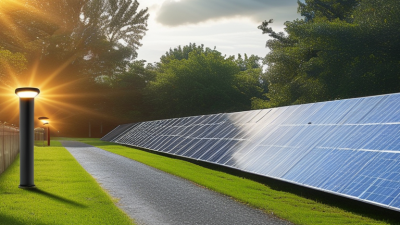
Dr. Steven Chu, a Nobel Prize-winning physicist and former U.S. Secretary of Energy, explained, “The amount of sunlight that strikes the Earth’s surface in 90 minutes could power the world’s total energy use for a full year.” His statement highlights the resource behind solar lighting, but practical performance depends on collection, storage, and design. A small panel cannot support every advertised feature.
This guide examines brightness, battery capacity, charging time, weather resistance, installation, and operating costs. It also considers color temperature, sensor response, and the difference between decorative glow and useful visibility. Look for clear lumen ratings, replaceable batteries, durable housings, and realistic runtime claims. An IP65 rating may suit exposed areas, though placement still matters.
No single fixture is perfect.
A light may look impressive online yet fade before dawn. Another may seem modest but work reliably beside a shaded walkway. That is where careful testing matters. The best choice balances safety, appearance, local weather, and honest expectations. Sometimes, choosing fewer lights with better placement works better than covering the entire yard.
Understanding Solar-Powered Outdoor Light Types and Applications
How to Choose the Best Solar Powered Outdoor Lights
Solar-powered outdoor lights differ by purpose, not just appearance.
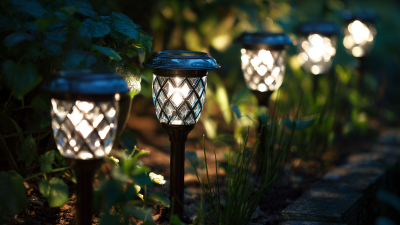
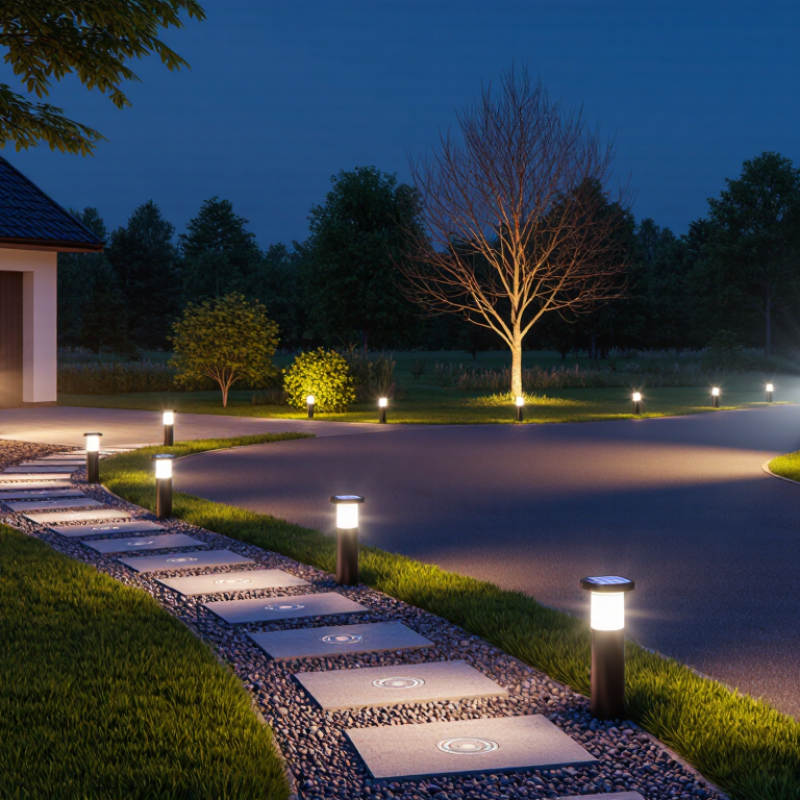
Path lights spread gentle light along walkways and garden edges. Bollards provide stronger guidance near driveways and steps. Wall lights suit entrances, while floodlights cover wider security areas. For remote paths, solar street or area lights can reduce trenching and wiring work.
Start with the application. A pathway usually needs comfortable, low-glare illumination. A driveway needs broader coverage and better motion detection. Check lumens, beam angle, battery capacity, and panel size together. A bright lamp with a small battery may fade before dawn. It happens often.
In shaded gardens, choose a separated panel or relocate the fixture toward direct sunlight. Winter performance also deserves attention, especially in northern climates.
LED technology strengthens these systems. The U.S. Department of Energy reports that LEDs use at least 75% less energy and last up to 25 times longer than incandescent lamps. That efficiency helps a compact battery support useful nighttime lighting.
The IEA PVPS Trends 2024 report recorded more than 440 gigawatts of new solar capacity worldwide in 2023, showing how quickly solar technology is scaling.
Still, outdoor performance depends on installation details. Look for weather protection ratings, replaceable batteries, stable mounting, and clear charging instructions. I would not judge quality from brightness alone. A lower-output path light can be safer and more practical than harsh glare near stairs.
Evaluating Brightness, Battery Capacity, and Solar Panel Performance
How to Choose the Best Solar Powered Outdoor Lights
Brightness is more than a lumen number. A 1,000-lumen lamp may look weak when its beam spreads across a large driveway. For pathways, 100–300 lumens often provides comfortable guidance, while security areas need stronger, wider coverage. Check beam angle, mounting height, and light distribution. The U.S. Department of Energy’s solid-state lighting reports show that efficient LED systems can exceed 100 lumens per watt, but real performance depends on optics and temperature.
Battery capacity controls runtime after sunset. Calculate watt-hours by multiplying battery voltage by amp-hours. A 3.7-volt, 2,000-mAh battery stores about 7.4 watt-hours before losses. Look for at least one full night of reserve during cloudy weather. NREL’s PV efficiency research places modern crystalline-silicon modules near the 20–23% efficiency range, yet small outdoor panels perform less consistently because of shade, dust, and poor angles. I have found that advertised charging times can feel optimistic. Winter testing matters.
Tips: Test the light at dusk, not in a showroom. Aim the panel toward the strongest daily sunlight. Avoid trees, walls, and roof shadows. Choose adjustable brightness settings to protect battery life. Inspect the battery specification carefully, because “long-lasting” is not a measurable capacity. A reflective patio may need less output; dark paving may need more. Check again after rain.
Choosing Materials, Weather Resistance, and Installation Features
Choosing solar outdoor lights starts with materials, not brightness. In my own yard tests, powder-coated aluminum resisted rust better than thin painted steel. Stainless steel can perform well, but its grade still matters. Plastic housings weigh less and avoid corrosion. However, brittle plastic may crack after repeated freezing and heating. Look for sealed joints, covered switches, and thick lenses. Small details matter.
Weather resistance needs more than a waterproof label. Check the IP rating and read what each number protects against. Higher water protection helps in heavy rain, but does not guarantee survival under standing water. A light beneath a roof may need less protection than one facing wind-driven storms. I once placed a poorly sealed lamp near a sprinkler; moisture reached the battery compartment within weeks. That mistake changed my buying checklist. Drainage holes, UV-resistant finishes, and replaceable batteries are useful features.
Installation features affect performance every evening. Choose a panel with an adjustable angle and enough cable length for shade-free placement. Ground stakes should be thick, not decorative. For wall mounting, confirm the screws suit brick, wood, or concrete. Leave space around the panel for cleaning. Installation is rarely effortless. Even a quality light can fail when trees block winter sunlight. Test the location for one full day before tightening everything. I still prefer simple designs, though I sometimes underestimate how quickly dirt covers the panel.
How to Choose the Best Solar Powered Outdoor Lights
Compare the practical priorities when selecting solar outdoor lights. Scores use a 1–5 scale, where 5 represents the strongest suitability for typical outdoor use.
What to look for: Choose corrosion-resistant materials such as stainless steel or powder-coated aluminum, an IP65 or higher enclosure for outdoor exposure, and installation features such as adjustable mounting, ground stakes, or tool-free setup.
Matching Solar Lights to Your Outdoor Space and Budget
Choosing solar outdoor lights starts with the space, not the product price.
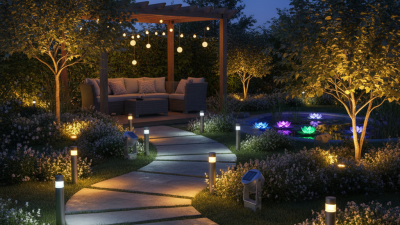
A narrow walkway needs soft, downward light, while a patio may need wider coverage. Measure the area first. A small yard can use compact path lights, but shaded corners may need separate panels or wired alternatives. The U.S. Department of Energy reports that LED lighting uses at least 75% less energy and can last up to 25 times longer than incandescent lighting. That efficiency makes LEDs practical for solar fixtures, especially when battery capacity is limited.
Budget beyond the purchase price.
Compare panel size, battery chemistry, replaceable parts, weather resistance, and warranty terms. A cheaper light may dim after a cloudy afternoon. Look for stated operating hours, not vague brightness claims. The International Energy Agency’s Renewables 2024 report recorded 585 gigawatts of new renewable capacity in 2024, showing solar technology’s rapid expansion, but small outdoor systems still depend heavily on local sunlight. Position panels away from walls, trees, and evening shadows. Check seasonal performance, too.
I once placed path lights beneath a dense hedge. They looked attractive at noon and nearly useless at night. My mistake was treating decoration as lighting design.
For a limited budget, illuminate essential steps and entrances first. Add decorative fixtures later. Remember that more brightness is not always better; glare can reduce comfort and disturb nearby rooms. Review the U.S. DOE Energy Saver guidance before buying, and test one fixture for a week before outfitting the entire space.