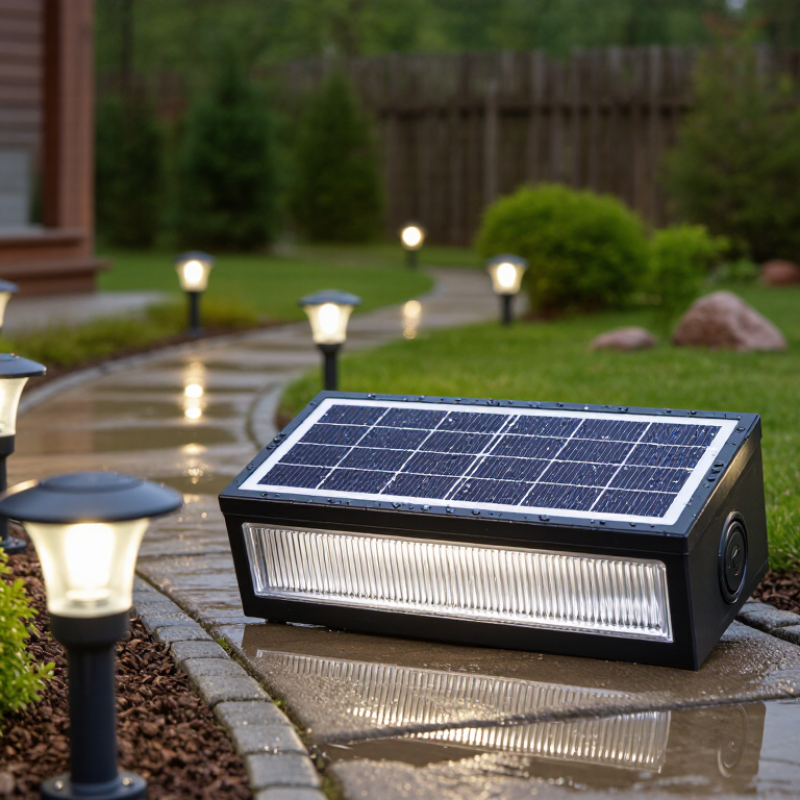
Outdoor lighting must handle more than darkness. Rain can bead on a solar panel, water can collect around a garden path, and damp air can reach exposed connections. That is why led solar lights outdoor waterproof models attract homeowners seeking practical, cable-free illumination. But “waterproof” is not a universal guarantee; check the product’s stated IP rating and installation guidance before buying.
The wider energy context is significant. IEA PVPS estimated that global photovoltaic capacity grew by about 447 GW in 2023, reflecting the rapid expansion of solar power (Snapshot of Global PV Markets 2024). At the fixture level, LEDs can also reduce energy use: the U.S. Department of Energy reports that residential LED products use at least 75% less energy and last up to 25 times longer than incandescent lighting. These are broad comparisons, not promises about every outdoor solar lamp. Small panels, battery quality, shade, and winter daylight can all affect performance.
A well-chosen light should match its location. Think about the path’s exposure to rain, the hours of direct sun, and whether the beam reaches the step—not just the lawn. Also inspect the housing, seals, and warranty details. A high IP rating helps, but it cannot compensate for poor installation or a shaded panel. That distinction matters. Solar lights can be convenient, yet their output may disappoint on cloudy weeks. A little skepticism helps buyers compare real specifications with attractive product claims.
Why Choose Waterproof LED Solar Lights for Outdoor Use?
How Waterproof Ratings Apply to Outdoor LED Solar Lights
An IP rating tells you how well an electrical enclosure resists dust and water. The first digit refers to solid particles; the second describes water protection. Check both digits, not just the word “waterproof” on a product page. That label alone is vague.
For example, IP65 indicates dust-tight protection and resistance to water jets under specified test conditions. IP67 generally covers temporary immersion in controlled laboratory conditions, not permanent submersion or every storm. The rating applies to the tested assembly, so check whether the panel, lamp, cable, and connectors share the same protection level. Small details matter. A loose connector can let water in even when the lamp housing has a strong rating.
Think about where the light will sit. Under a roof, it may face occasional splashes; beside a sprinkler, it may take repeated direct spray. Still, the rating is not a promise of endless outdoor life. Sunlight can age seals, and temperature changes may encourage condensation inside a fixture. I sometimes focus too much on the IP number; placement and occasional inspection deserve attention too. Look for cracked covers, loose fittings, or water droplets, and follow the maker’s cleaning and installation instructions.
| IP Rating | Protection Described by the Rating | Typical Outdoor Exposure | Practical Consideration for Solar Lights |
|---|---|---|---|
| IP44 | Protected against solid objects 1 mm or larger and water splashing from any direction. | Light rain or splashes in a sheltered location. | May suit covered patios, but check the product instructions before leaving the fixture exposed to heavy rain. |
| IPX4 | The “X” means no solid-particle protection rating is stated; the “4” indicates protection against water splashing from any direction. | Splashes and light rain. | Check whether dust protection is also specified separately, especially for dry or dusty locations. |
| IP65 | Dust-tight and protected against water jets from any direction under the test conditions. | Rain and some cleaning sprays; commonly suitable for exposed outdoor positions when installed as instructed. | “Water jets” does not mean the light is designed for immersion or pressure washing at close range. |
| IP66 | Dust-tight and protected against powerful water jets under the test conditions. | More forceful water exposure than IP65. | Still not an immersion rating; protect connectors and seals from damage during installation and maintenance. |
| IP67 | Dust-tight and protected against temporary immersion in water up to 1 metre for up to 30 minutes under specified test conditions. | Locations where brief, accidental immersion may occur. | Does not establish suitability for continuous underwater use, and real-world installation conditions can differ from laboratory tests. |
| IP68 | Dust-tight and rated for immersion beyond the IPX7 test conditions, with depth and duration specified by the manufacturer. | Applications requiring immersion protection as defined for the product. | Check the stated depth, duration, and installation requirements; IP68 conditions are not a single universal depth or time. |
| Solar panel and light housing | Different parts of one solar lighting system may have different protection ratings. | Rain, splashes, or other outdoor exposure across the full installation. | Verify the rating for the panel, lamp, battery compartment, cable connections, and any separate controller—not just one component. |
| Why waterproofing matters | Suitable water protection helps reduce water ingress that can contribute to corrosion, electrical faults, or component failure. | Outdoor installations exposed to changing weather. | Choose a rating suited to the actual exposure, and keep seals, covers, and cable entries correctly fitted and undamaged. |
Note: IP ratings are defined by IEC 60529. They describe protection under specified test conditions; they do not guarantee performance in every environment or replace the manufacturer’s installation and maintenance instructions.
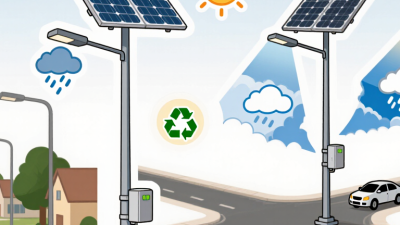
In a waterproof solar light, the panel and LED do different jobs. During daylight, photovoltaic cells convert sunlight into electricity, which a charge controller stores in a battery. After dusk, the battery powers the LED. A small sensor often triggers the switch automatically. The energy path is simple, but every part affects how long the light stays on.
The U.S. Department of Energy reports that LEDs use at least 75% less energy than incandescent lighting and can last up to 25 times longer. Lower energy demand helps a compact battery run a light through the evening. Still, cloudy weather, winter days, and nearby shade can reduce charging. NREL’s PVWatts documentation accounts for location and weather when estimating solar output—a useful reminder that performance is not identical everywhere. A light that works well on a sunny patio may disappoint under a tree. That happens.
Tips: Place the panel where it receives several hours of direct sun, and wipe dust from its surface. Check that the waterproof seals remain intact after installation. Treat advertised runtime as an estimate; real results depend on sunlight, battery condition, and brightness settings.
How solar panels and LEDs work together
As sunlight increases, a 10 W solar panel can produce more power to charge a battery. The battery can then supply a 3 W LED after dark. Waterproof construction helps protect outdoor lights from rain, though actual output varies with sunlight, panel angle, temperature, and system losses.
Illustrative estimate: panel output is modeled as proportional to irradiance, using 1,000 W/m² as the reference for the panel’s 10 W rated output. This is not a measured performance curve.
Outdoor solar lights face more than rain. They may sit through hours of drizzle, sudden downpours, and wind-driven spray that presses water against seams. Water finds gaps. Look for a clearly stated ingress-protection rating, and check what it covers. A rating for splashes does not automatically mean a fixture can survive standing water or submersion. Mount lights where runoff can drain instead of collecting around the housing.
Moisture is only part of the test. Dust, pollen, and insects can gather around joints and panel edges, while salty coastal air may speed corrosion on exposed metal. Summer sun can heat dark housings; winter frost can stress seals and reduce battery performance. Check the maker’s stated operating-temperature range, especially if your area has sharp seasonal swings. Small details matter: a loose cable gland or an uncovered charging port can become an entry point.
The solar panel needs protection too. A lamp may stay sealed while dirt slowly blocks sunlight, so inspect and clean the panel with a soft, damp cloth when needed. Avoid assuming that “waterproof” means maintenance-free; rubber seals can age, and repeated freeze-thaw cycles may reveal weaknesses. After a storm, look for condensation beneath the lens, cracked plastic, or a panel that no longer charges consistently. These signs are easy to miss at first.
Waterproof design matters because outdoor solar lights face more than rain. Wind can drive water into seams, while sprinklers repeatedly soak cable entries and mounting joints. Moisture near electrical connections can cause corrosion or interrupt charging. A dark path is inconvenient; a damaged connection can also create a safety concern. Small details matter.
IEC 60529 defines IP protection ratings: IP65 is dust-tight and resists water jets, while IP67 allows temporary immersion up to one metre for 30 minutes under specified test conditions. These ratings describe controlled tests, not every storm or installation. NEMA 250 Type 4 enclosures are also tested against rain, splashing, and hose-directed water. Look for clearly stated ratings, intact gaskets, and sealed cable glands. Still, no rating makes poor installation harmless.
In practice, mount the fixture as directed and keep joints facing away from runoff. After a wet season, check for cracked seals, cloudy lenses, or greenish corrosion around contacts. Condensation can appear even inside a well-sealed housing when temperatures swing sharply. That part is easy to overlook. Clean drainage paths gently, and replace damaged seals rather than relying on extra tape. Cite IEC 60529 and NEMA 250 when comparing protection claims; similar-looking ratings do not always describe the same test.
Waterproof LED solar lights face more than rain. They may sit through wind-driven showers, dusty afternoons, and sudden temperature changes. Before choosing one, check the stated ingress protection rating and what it covers. An IP65 rating, for example, indicates protection against dust and water jets, not submersion. That matters.
Look closely at the whole unit, not just the solar panel. Gaskets around the battery compartment, sealed cable entries, and a sturdy lens can help keep moisture out. Check the seams. A high rating can still be less reassuring if the housing feels flimsy or the manual does not explain installation limits. If the light will sit near sprinklers or a coastal path, consider where water collects and how easily salt or dirt can be cleaned away.
Match the panel and battery to the location. A shaded porch may not provide enough sun for long winter nights, even if the light performs well in summer. Check the expected runtime, charging conditions, and whether the battery can be replaced. Also consider brightness and beam direction: a focused beam suits steps, while a softer spread may work better across a patio. Ratings and specifications help, but real conditions vary. A sunny product photo cannot show how much shade falls across your yard.