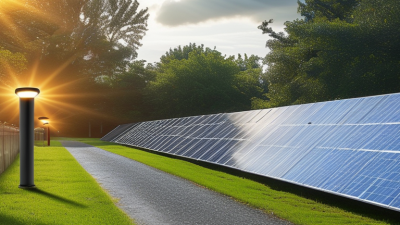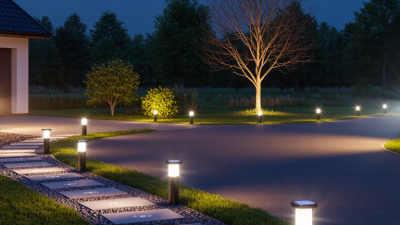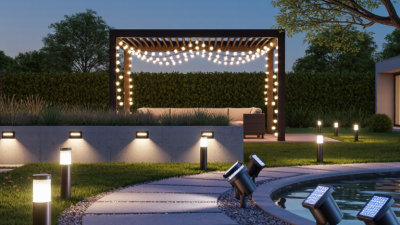
Choosing solar powered outdoor lights in 2026 takes more than comparing brightness claims. A light that looks powerful on a product page may dim before dawn after a cloudy afternoon. The right choice depends on your site, winter daylight, and the task: lighting a garden path differs from illuminating a driveway or security area.
The scale of solar power is growing quickly. IRENA’s Renewable Capacity Statistics 2025 reports that global renewable capacity increased by 585 gigawatts in 2024, including 452 gigawatts of solar. That growth supports a broader shift toward solar technology, but it does not guarantee that every small outdoor light performs well. For practical guidance, check the panel’s placement, battery capacity, stated runtime, and replacement options. The U.S. Department of Energy notes that LEDs use at least 75% less energy than incandescent bulbs, which helps explain their role in efficient outdoor fixtures.
Keep expectations realistic. Shade, cold weather, and short winter days can reduce charging and runtime. A motion sensor may extend operating time, but only if its settings suit the area. Energy analyst Fatih Birol, Executive Director of the International Energy Agency, described solar as “the new king of electricity” in the agency’s World Energy Outlook 2020. That wider trend is encouraging; choosing a light still calls for careful checking. This guide compares brightness, battery performance, weather resistance, and installation details, so you can match a fixture to the place it needs to serve. One detail is easy to miss: a sunny test-day result may not reflect a long, cloudy week.
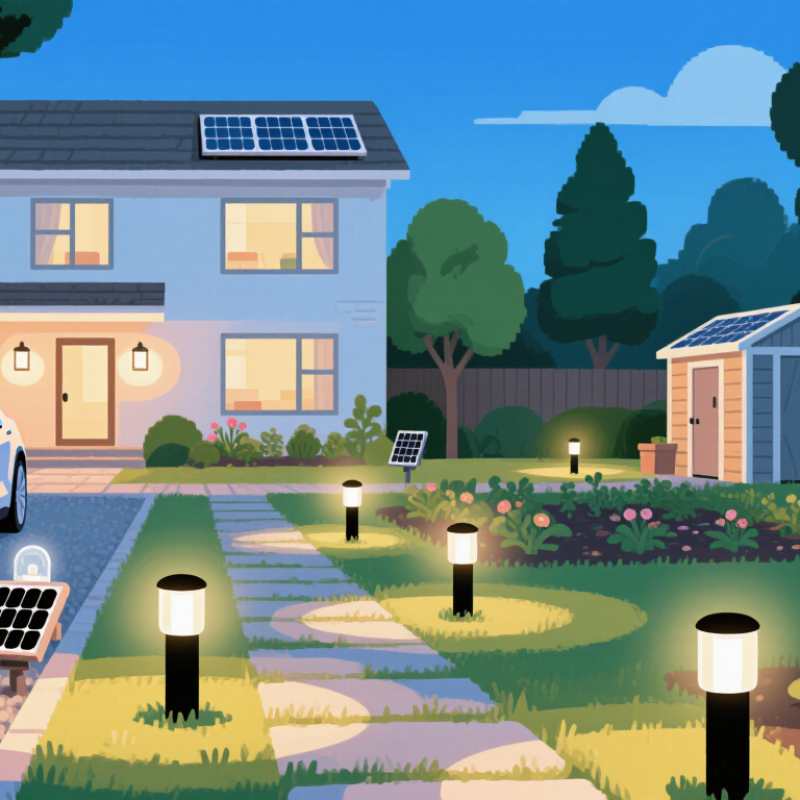
Map the job before comparing solar lights. Mark the path, steps, doorway, or seating area that needs illumination. A narrow walkway needs visibility underfoot, while a patio may need broader, softer light. Note where people actually walk after dark. It is easy to overestimate how much brightness a space needs.
Then watch the proposed panel location across a full day. Direct sun is generally more useful than bright shade, and nearby walls, trees, or roof edges can block it for hours. Check again in the afternoon. Not just noon. Seasonal changes matter too: a spot with clear summer sun may sit under bare branches or a longer shadow in winter. If the light and panel are separate, consider whether a sunny panel position can still reach the fixture.
Estimate daily use, including how long the lights should stay on and whether motion sensing suits the area. Compare that plan with the maker’s stated charging and runtime conditions; ratings can vary with weather and placement. A small test helps. Place a sample light where you intend to install it, then observe its brightness after several ordinary days. Cloudy weather can distort the result, so one evening is not enough. Keep the panel clean, and reconsider the location if nearby growth creates new shade.
| Outdoor Lighting Need | Typical Light Output per Fixture | Sunlight Assessment | Placement and Coverage | Useful Features to Check |
|---|---|---|---|---|
| Path and step guidance | About 10–100 lumens | A panel receiving several hours of direct sun is generally better positioned to recharge reliably. Shade and short winter days can reduce output and runtime. | Space fixtures to create a continuous guide without excessive glare; check that nearby plants or walls will not block the panel. | Dusk-to-dawn operation, replaceable batteries where available, and a panel angle that can be adjusted toward the sun. |
| Decorative garden or accent lighting | About 5–50 lumens | Lower-output accent lights may suit locations with less sun, but cloudy weather and tree cover can still shorten nightly operation. | Aim light at a feature rather than directly into walkways or windows. Keep the solar panel clear of dense foliage. | Warm-white color options, a separate panel for shaded fixtures, and a simple on/off or dusk sensor. |
| Porch, entry, or patio lighting | About 100–300 lumens for general local illumination | Assess the actual panel location, not just the light location. A wall-mounted fixture under a deep eave may receive little direct sun. | Check the beam direction and mounting height so the doorway is visible without shining into neighbors’ windows. | A separate or remote solar panel, adjustable mounting, and a motion-plus-low-level mode can help balance convenience and runtime. |
| Motion-activated security lighting | About 300–1,000 lumens for many small-area applications; larger or wider areas may need more | Higher output uses more stored energy. Prioritize an unshaded panel location and check the manufacturer’s stated runtime and charging conditions. | Aim the sensor toward the approach area and away from moving branches, roads, or other sources of unwanted triggering. | Adjustable detection range, sensitivity and timer; a motion-only or dim-to-bright setting; and a clearly specified battery capacity. |
| Lighting in a partly shaded area | Choose output according to the task; lower output or motion-only operation can reduce energy demand. | Track direct sun on the proposed panel site at different times of day. Dappled shade is not equivalent to uninterrupted direct sunlight. | Consider a light with a cable-connected panel that can be placed in a sunnier location, within the cable’s permitted reach. | Separate panel placement, adjustable panel orientation, and accessible battery replacement or service information. |
| Lighting for a region with short winter days | Select only the output needed; avoid relying on maximum brightness throughout the night. | Expect seasonal variation: lower sun angles, longer nights, cloud cover, and snow or debris on the panel can reduce charging. | Keep panels clear and orient them for the local site. Do not assume summer performance will continue through winter. | Dimming modes, motion activation, stated cold-weather operating limits, and realistic runtime information for low-sun conditions. |
Lumen ranges are general planning estimates, not guarantees of how bright an area will appear. Beam angle, fixture spacing, mounting height, panel exposure, battery condition, weather, and season all affect real-world results. Check product specifications and local site conditions before choosing.