How to Choose the Best Outdoor LED Solar Lights in 2026
Choosing the best led solar lights outdoor in 2026 means looking beyond bright product photos. A lamp can advertise high lumens yet fade before midnight if its panel, battery, or operating mode is poorly matched. Check the panel’s location, the battery’s stated capacity, and the manufacturer’s runtime test conditions. Then ask whether the light still performs after cloudy days. Small details matter: a shaded fence, a cold winter night, or a motion sensor set to trigger often can change real-world performance.
The International Energy Agency’s Renewables 2024 report projects nearly 5,500 gigawatts of new renewable power capacity by 2030, with solar PV accounting for almost 80% of the increase. That forecast describes the wider energy transition, not the performance of individual garden lights. For lighting efficiency, the U.S. Department of Energy reports that LEDs can use at least 75% less energy than incandescent lighting. These figures offer context, but they cannot replace product-level testing. Lighting researcher Dr. Mariana Figueiro’s work also reminds buyers to consider more than brightness: light’s timing and exposure matter. A useful question is whether a fixture provides comfortable, well-directed illumination without spilling light into bedrooms or the night sky.
Not every product label is equally informative. Look for independent test details, replaceable batteries where available, weather-resistance ratings, and clear warranty terms. A polished listing is not proof of dependable performance. This guide compares the specifications that matter, explains common trade-offs, and helps match a fixture to paths, steps, patios, and security needs. Real outdoor conditions are messy. That is exactly why careful selection matters.
Identify Your Outdoor Lighting Needs and Placement Goals
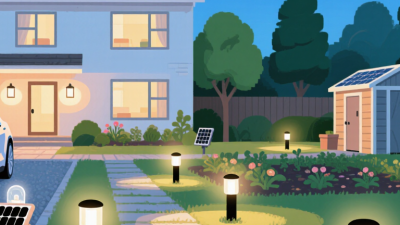
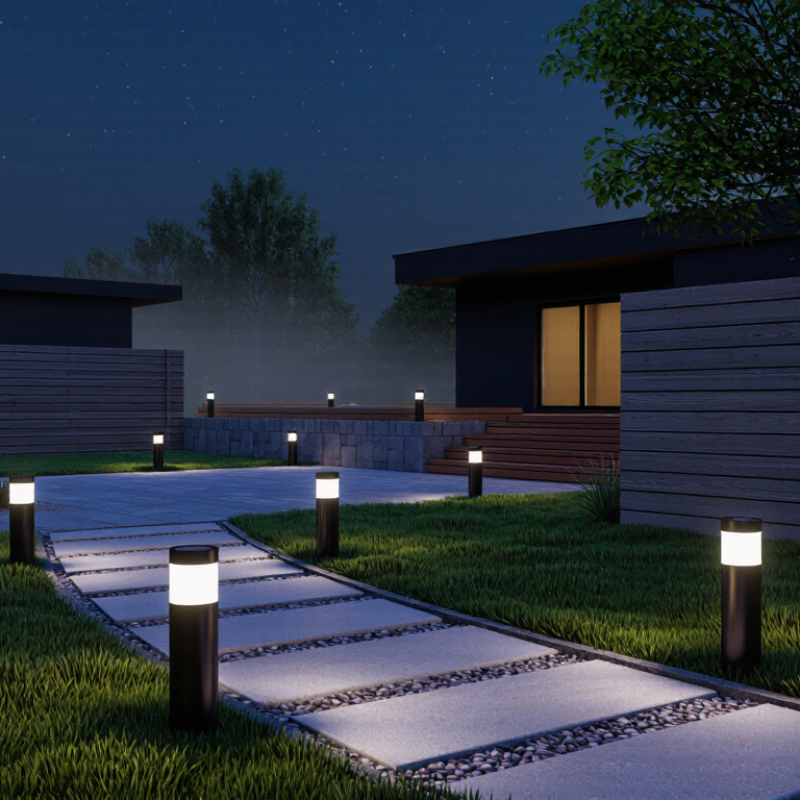
Walk your yard after sunset and note where light is genuinely needed. Mark dark steps, gate latches, uneven paths, and the table where people gather. Start with the task. A path needs steady, low-level guidance; a seating area may need broader light. Check the panel’s daytime exposure, too. A spot that looks sunny at noon may sit in shade by late afternoon. Trees, fences, and seasonal changes can reduce charging time.
Tips: Use temporary markers to test positions before installing lights. Keep solar panels clear of leaves and avoid placing them beneath roof overhangs. Leave some space between fixtures; too many bright points can create glare and make nearby areas seem darker.
Think about how the space is used in different weather and seasons. A light near a door should be easy to reach for cleaning, while a fixture beside a path should not shine directly into someone’s eyes. Measure the distance between the panel and the area you want illuminated, and read the product’s coverage and runtime details before choosing. Battery performance can vary with sunlight and temperature, so treat advertised runtime as a guide, not a promise. A first layout is rarely perfect. Recheck it after a few evenings, then adjust spacing or angle where shadows remain.
Assess Sunlight, Shade, and Seasonal Conditions
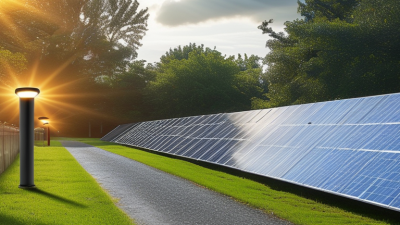
Before choosing outdoor LED solar lights, watch the proposed location across a full day. A spot that looks bright at noon may sit under a roof edge by mid-afternoon. Solar panels generally perform best with several hours of direct sunlight, but exact needs vary with panel size, battery capacity, and light output. Check the panel’s position, not just the lamp’s. A panel tucked behind a post can lose useful exposure.
Shade shifts as trees fill out in spring and summer. Nearby fences, balconies, and evergreen branches can also block low-angle winter sun. On cloudy days, charging may be limited, so lights can dim earlier than expected. This is normal. I once underestimated the shadow from a young tree; its canopy changed the site more than I expected. Recheck the area as plants grow.
Seasonal weather matters, too. In winter, shorter days and a lower sun angle can reduce charging time. Snow, dust, and fallen leaves may cover the panel, so choose a reachable location and clean it gently when needed. After installation, compare brightness at dusk and late evening for several nights. If output fades quickly, try moving the panel into a sunnier patch before assuming the light itself is faulty. A small placement change can matter.
Evaluate Weather Resistance, Controls, and Installation
Choose a solar light by its weakest exposed part, not its brightest specification. Check the IP rating: IP65 is dust-tight and resists water jets, while IP67 covers temporary immersion under test conditions. Neither rating guarantees protection after years of cracked seals, salt spray, or freeze-thaw cycles. The National Renewable Energy Laboratory’s review of photovoltaic systems found a median module degradation rate near 0.5% per year. Treat that as a broad benchmark, not a lifespan promise for a small garden panel.
Controls should match the way you use the space. A dusk-to-dawn sensor suits a path, while motion activation can preserve stored energy near a doorway. Look for accessible brightness settings and a clear low-battery indicator. The U.S. Department of Energy reports that LEDs use at least 75% less energy and can last up to 25 times longer than incandescent bulbs; however, a solar light’s battery may need attention sooner. Mount the panel where it receives direct sun, then check for shade from branches as they leaf out. A few hours of afternoon shade can change performance more than expected.
Tip: After installation, test the light on a cloudy evening and after rain. Wipe the panel, inspect cable entries, and angle the beam away from bedroom windows. Small details matter. I would still recheck the seals each season.
Match Light Features and Costs to Your Priorities
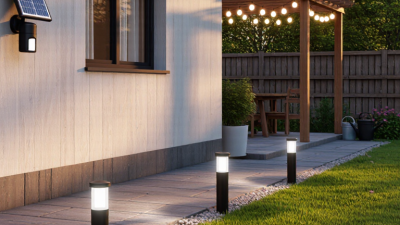
Choosing outdoor solar lights is a trade-off between brightness, coverage, runtime, and price. A motion-sensing wall light suits a side entrance; low-glare path lights work better beside steps. Check lumens, beam direction, battery capacity, and whether the panel can sit in direct sun. A high lumen number is not automatically useful. Harsh light can spill into a neighbor’s window.
The U.S. Department of Energy reports that LEDs use at least 75% less energy and can last up to 25 times longer than incandescent lighting. That supports choosing efficient LEDs, but it does not guarantee a solar fixture will stay bright all night. NREL’s PVWatts model estimates solar output from location-specific weather and system details, a reminder that shade and local sunlight matter. Compare stated runtimes with your site: a panel under a tree may not recharge well. I would treat all-night claims cautiously when testing conditions are unclear. Cloudy weeks expose weak batteries. For a tight budget, prioritize replaceable batteries and a panel you can reposition; for security, pay more for reliable motion sensing, not just extra brightness. Some trade-offs are annoying. A cheaper light may need earlier replacement, while a premium model can still disappoint in deep shade.